Photo/Courtesy of Quang Nguyen Vinh, Pexels
Written by Pheel Wang
Translated by H.B. Qin
Edited by Ida Eva Zielinska
SHARE
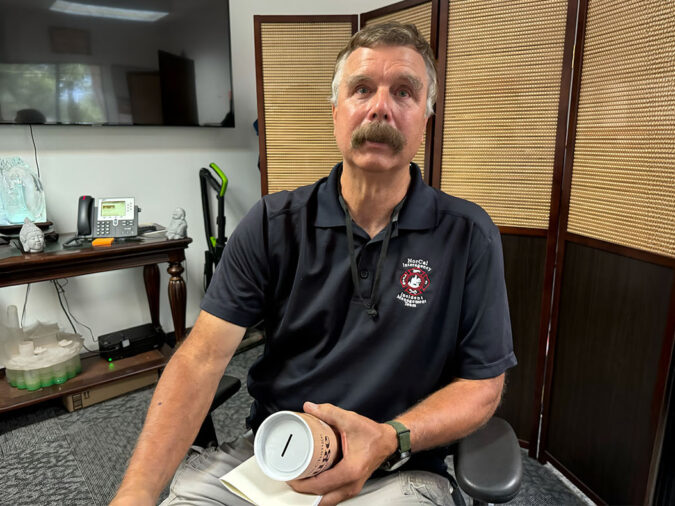
The weather in Minnesota in August 2025 was mild, with pleasant daytime temperatures around 80 degrees Fahrenheit and evenings hovering in the 60s. Although it was neither cold nor hot, few people ventured outdoors. Most stayed indoors with the windows tightly shut, while those walking outside wore masks pulled tightly over their faces. “It’s hazy outside. It’s smoky because there are so many wildfires in Canada. We’ve been told not to go outside in Minnesota.”
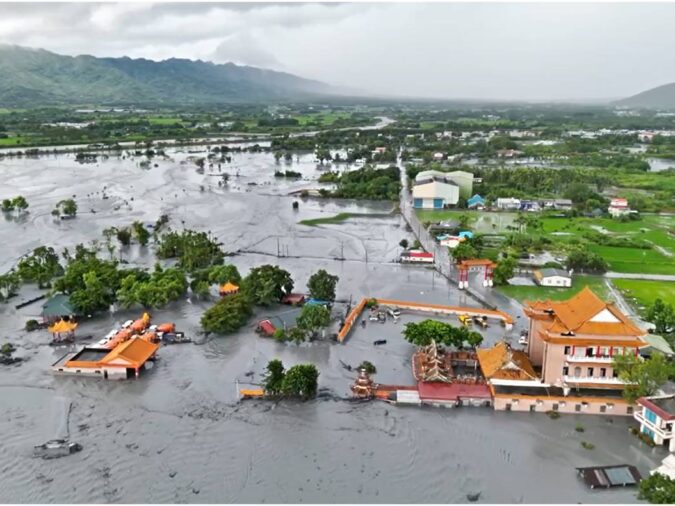
Sitting in Dr. John P. Abraham’s office at the University of St. Thomas School of Engineering, where he is a professor of thermal sciences, with the window right next to him, outside, it looked like dusk. Although it was literally daytime, the air was thick and dirty, creating a murky gloom. “So you asked me what was on my mind when the Texas century flood happened. Honestly, I don’t remember. But let me tell you why. Because we have been tracking extreme weather events around the world, and unfortunately, the flooding in Texas is just one of them. All I can do is…” He gestured, pretending to cover his ears and eyes as if to shut out the drumbeat of bad news.
“Do you know when we first learned about greenhouse gases? The 1800s! The first climate calculation was in 1896. There was a prediction of such extreme weather we’re experiencing today over a century ago. It’s happening just like the scientists predicted, and we keep losing lives and money. When will there be a wake up call? That was what went through my mind.”
This good-humored scholar isn’t just a researcher; he’s an advocate, a longtime climate change columnist for the Guardian, and the go-to expert for mainstream U.S. media when covering climate issues. “I try to be optimistic, but when you have a steady drumbeat of one disaster, another disaster, another disaster, you are overwhelmed. So I try to only focus on things that I can control and that will make me optimistic.”
For Abraham, that focus leads to one central insight: To understand our warming world, we must look to the oceans. “Oceans are more important than the air or the land. Oceans hold the key to climate change. If we want to know how fast the Earth is warming and will be warming, at what speed, the answer will be in the ocean.”
Climate Puzzles
Dr. John Abraham and his large transnational team focus on measuring ocean temperature. “My main specialty area is thermal fluid sciences, dealing with the flow of things, things being moved around,” he explained. “So it could be fluids that flow like water, air, blood, carbon dioxide, or oil. It could also be heat, since heat flows from hot temperatures to cold temperatures. So my area is in heat and fluid. My main areas of research include climate change, biomedical devices, and clean energy development in the developing world. It’s wide, but it’s all thermal fluid. In the biomedical field, I do biosurgery for cancer… I also deal with blood-flow devices that open up arteries for people who have clogged arteries.”
“I first got into climate change because climate scientists are using a device to measure ocean temperatures, yet the accuracy is not very great. The device is called an XBT [Expendable Bathythermograph]. The Navy has used that for many years because the Navy wants to measure ocean temperatures. The U.S. Navy in Japan and in many places is measuring. The scientists were like, ‘Hold on, the Navy has been measuring the temperatures for many, many years, we could use their data to tell us about the ocean.’ There was a problem though, the Navy didn’t need very good accuracy. Climate science needs very good accuracy. So I got involved to make it more accurate.”
From that point on, Abraham joined forces with Dr. Lijing Cheng, from the Institute of Atmospheric Physics of the Chinese Academy of Sciences in Beijing, and others involved in ocean temperature research. “I have been working with a group of them since 2012,” he said. Together, they publish annual reports on global ocean heat content and ocean warming trends, and some of their research findings have appeared in the prestigious environmental science journal Advances in Atmospheric Sciences and widely cited by mainstream media.
Abraham noted that his entry point into climate research comes from the physics of heat and fluid flow, which differs from the traditional training of environmental scientists. “It’s a very unusual starting point. Most people go to college or grad school taking climate science and stay in that field. I was doing other things. Maybe I could take my heat and fluid knowledge and help the other area called climate change. Engineers look at problems differently from climate scientists,” he reflected. Indeed, his perspective from thermal fluid engineering has become a valuable complement in interdisciplinary climate research, helping teams piece together complex climate mechanisms with greater clarity. “We call this a synergy. When we bring two groups together, we come up with better ideas.”


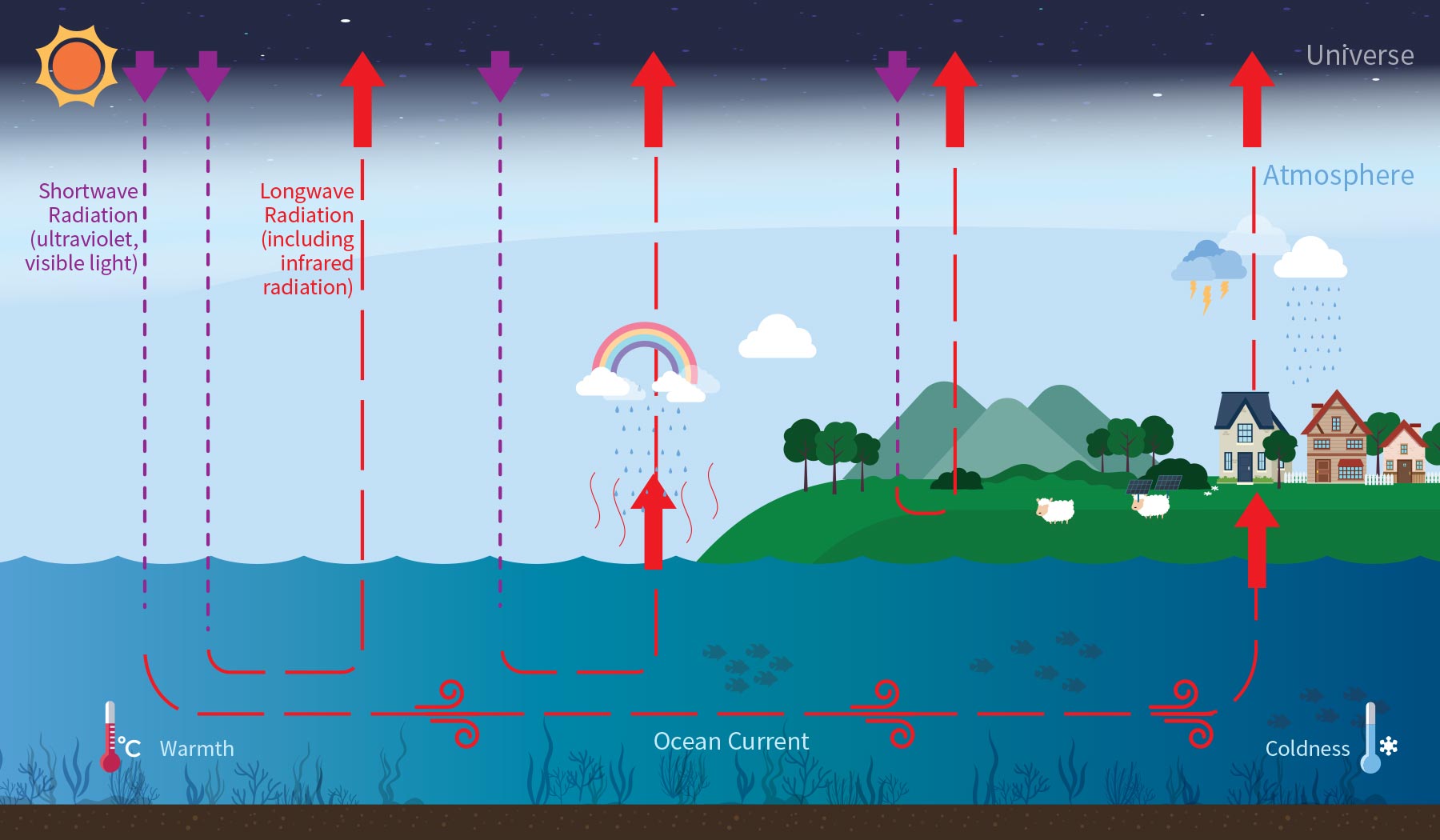
Before delving into ocean warming, Abraham first outlined the origin of Earth’s heat. He described how over 99.9% of the planet’s thermal energy comes from solar radiation, which enters the atmosphere as short-wave radiation, including visible and ultraviolet (UV) light. Some of this incoming energy is reflected back into space by the atmosphere, while the rest is absorbed by the land and oceans and then re-emitted as long-wave infrared radiation – the form of heat we can feel. Abraham presented these complex processes with clarity, as if his mind contained an extensive database of nature’s operational mechanisms.
Now turning to the oceans, he illuminated their role in regulating heat within the climate system, stating that the oceans absorb a large share of the Sun’s incoming energy, storing it in their upper layers and releasing it gradually over time when the ocean temperature rises. Part of the heat radiates directly back to space, and part will release into the air and cause evaporation, which increases atmospheric moisture and supports rainfall, nourishing all things. He added that another part of the heat will drive currents, distributing heat across the oceans by moving energy from warmer to cooler regions.
“There are some ocean currents like the Atlantic Meridional Overturning Circulation that move horizontally through the oceans and carry heat from the equator region to the poles. This spreads heat around,” he said. “So the ocean makes the Earth habitable.”
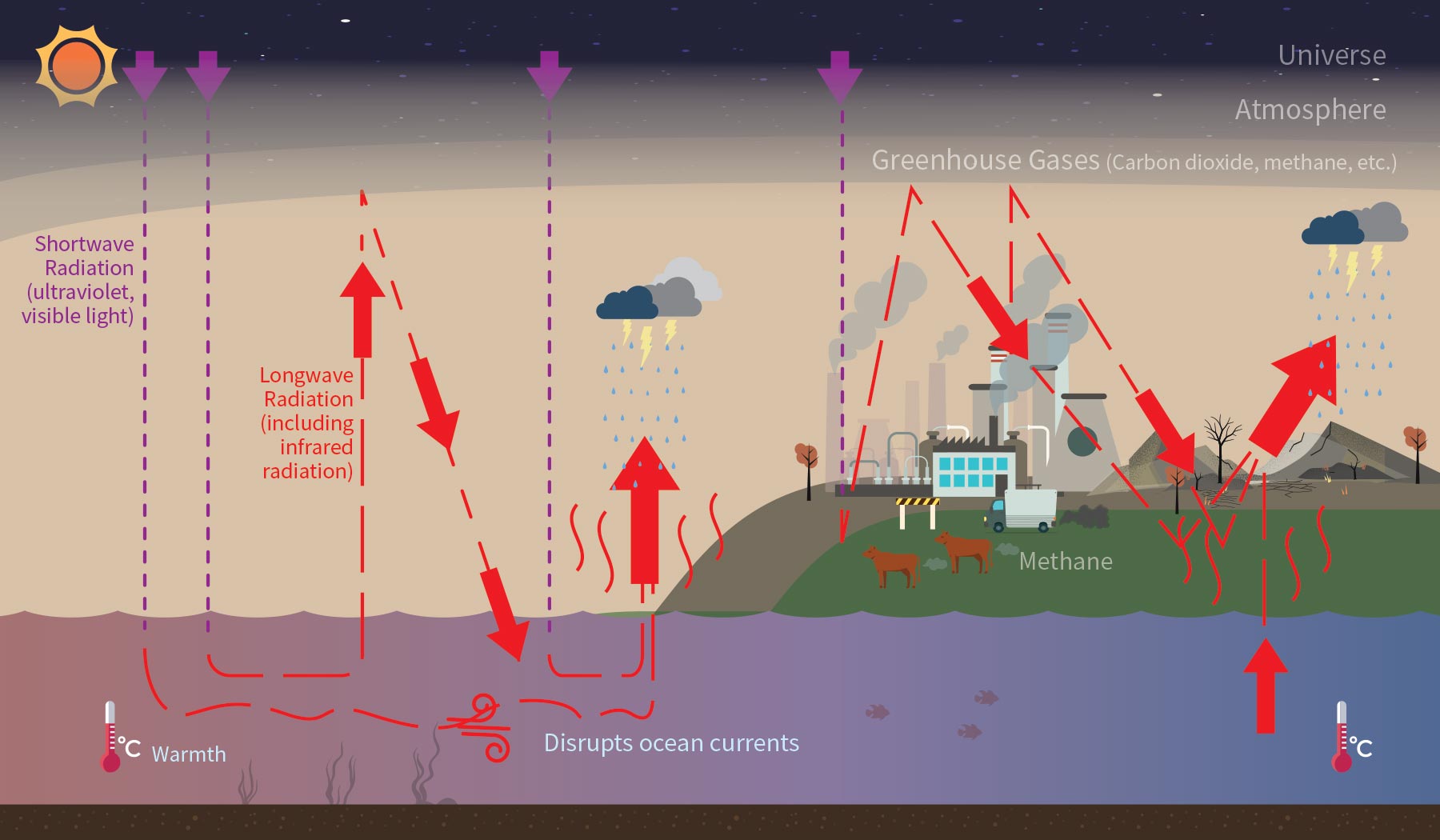
But since the Industrial Revolution, the blue ocean has had to absorb ever-increasing amounts of thermal energy. Thick layers of greenhouse gases trap infrared heat within the atmosphere; as a result, the Earth cannot dissipate heat normally, causing it to grow increasingly hotter. In simple terms, incoming heat is greater than released heat.
Given that Earth now retains more heat than it releases, Abraham elaborated on where that excess energy actually goes. Earlier researchers had already asked this question and found that it does not accumulate primarily in the air or on land, but in the sea. Oceans cover about 70% of the planet and absorb about 90% of the excess heat from global warming, making them central to gauging the pace of climate change.
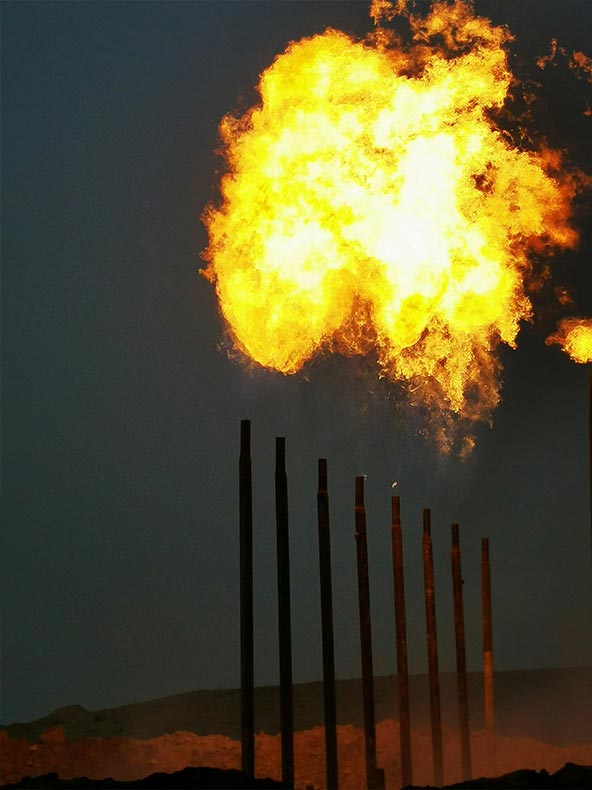
From there, he turned to why the oceans end up holding so much of that excess energy. Greenhouse gases in the atmosphere trap heat that would otherwise escape into space. For instance, carbon dioxide and methane – produced by transportation, manufacturing, electricity use, air conditioning and industrialized farming – absorb energy and prevent it from radiating outward. Much of that trapped heat is then transferred to the oceans.
Abraham offered a simple analogy, saying, “A good way to think about it is this: you’re in bed at night and you’re a bit cold, so you have one blanket on. The blanket is the atmosphere. If you’re still cold, you put on another blanket [representing greenhouse gases], maybe two or three more. When you add too many blankets, they trap heat from leaving your body. The result is overheating. That’s global warming.”
He then brought up a key point: With excessive manmade heat absorbed by the ocean, a warmer ocean fuels extreme weather. “I studied a lot on flooding. As the ocean warms, it becomes very hot. The air flows over the ocean, and it transfers heat and water so the air becomes warm and humid and that creates bigger storms and more rainfall. This year’s flooding in Texas is an example of how ocean warming affects weather. As the ocean warms, more moisture goes into the atmosphere and comes down as rain. So the Texas century flood was made more severe because of climate change.”
Climate change doesn't create bad weather. There was bad weather before but what climate change does is make it a little bit more severe every year.
Dr. John P. Abraham
Professor of Thermal Sciences
University of St. Thomas School of Engineering
In essence, as warmer air holds more moisture, the global water cycle intensifies: areas that are already wet tend to see heavier, more frequent rainfall, while regions already prone to drought are likely to become even drier.
Healthy Ocean Energy Balance vs. Energy Balance Under Ocean Warming
Ocean warming makes the atmosphere hotter and more humid, fueling stronger hurricanes and more intense rainfall in some regions, while others face increasingly severe droughts.
VS
Unimaginable 20 Zettajoules
It is not easy to heat the ocean. “Even small temperature changes in the ocean matter a lot,” Dr. John Abraham noted. “In the USA, there is a phrase ‘a watched pot never boils,’ and it means if you stare at a stove with water, the water will take a very long time to start boiling. This reflects a fact of nature. It takes a lot of energy to heat water. Water is very dense and has a large heat capacity, and the oceans are very deep. The ocean’s size and the density of water make even small temperature changes a big deal.”
In other words, because the oceans are so large and water holds so much heat, they can absorb an enormous amount of energy before their average temperature shifts even slightly. According to the U.S. National Oceanic and Atmospheric Administration, “The ocean’s enormous heat capacity and volume provide the potential to store 1,000 times more heat than the atmosphere.” Recent analyses by Abraham and his colleagues further show that global ocean heat content has continued to reach record levels in recent years, underscoring how much excess heat the oceans are absorbing.
In 2024, the global upper 2000 m ocean heat content was the highest ever recorded by modern instruments. The 2024 annual mean global SST (sea surface temperature) was 0.05°C–0.07°C higher than in 2023, and a new record for the instrumentation era.
Lijing Cheng, John Abraham, et al.
Record High Temperatures in the Ocean in 2024. Advances in Atmospheric Sciences, Volume 42, pages 1092-1109, (2025)
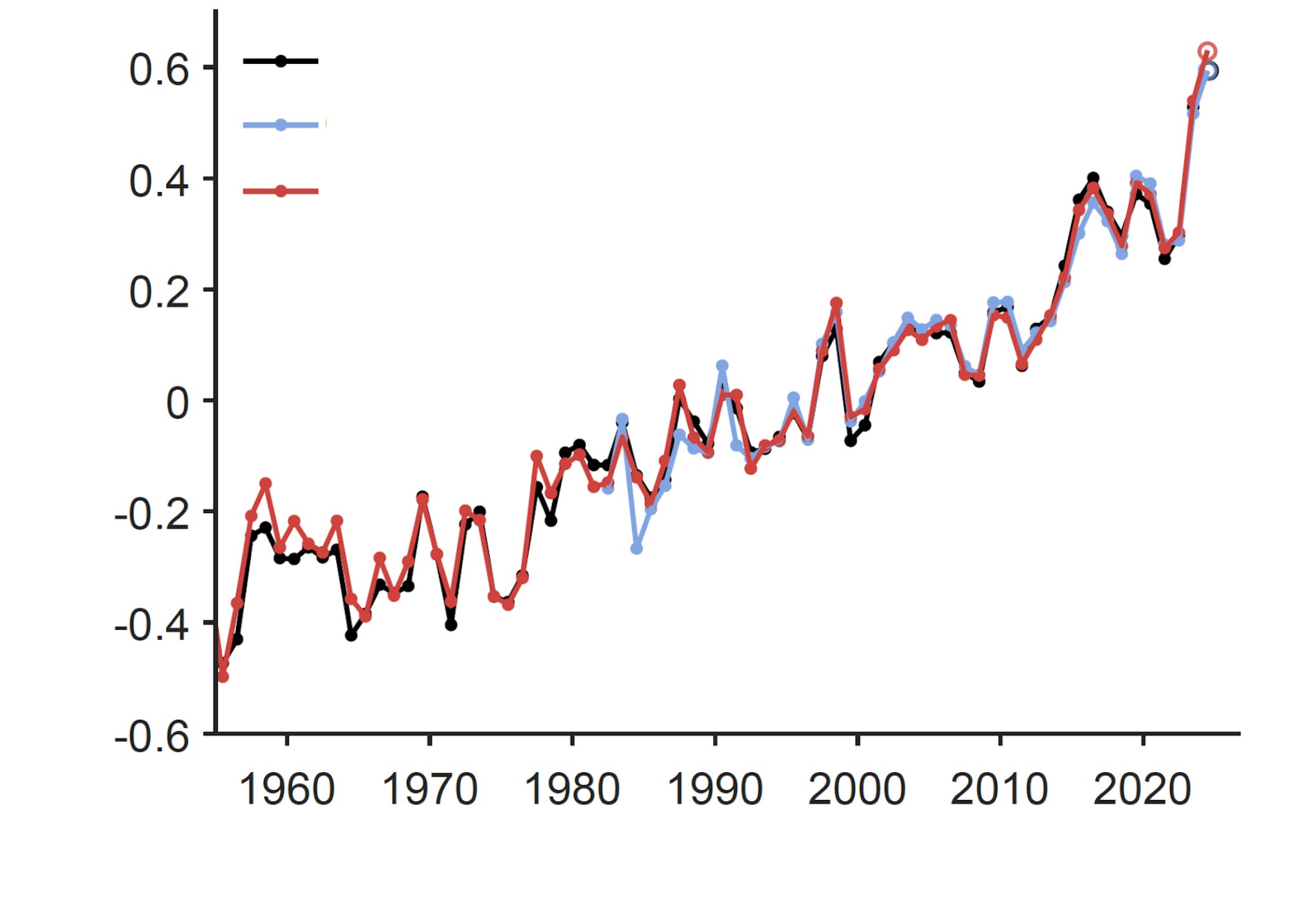
Global sea surface temperature (SST) anomalies from three independent datasets (ERSSTv5, Copernicus Marine, IAP/CAS), relative to a long-term average, show a clear warming trend with recent years reaching record highs. Source/Press Release: “Sea Surface Temperatures and Deeper Water Temperatures Reached a New Record High in 2024,” Institute of Atmospheric Physics, Chinese Academy of Sciences
To help convey what that staggering amount of heat actually means, Abraham drew a stark comparison. “Last year, the world’s oceans absorbed about 20 zettajoule of energy,” he said. “A ‘zetta’ has 21 zeros; it’s huge. Because it is hard to appreciate how large this is, I use analogies. One analogy is that the Earth’s oceans are absorbing the heat equivalent of six Hiroshima atomic bombs exploding every second for the entire year. I hate to use that analogy, since so many people were killed, but that’s how much energy we’re talking about: six bombs every second, every single second. It’s so much energy. The heat is crazy.”
Unfortunately, the volume of greenhouse gases produced by humans continues to rise rapidly, and there have been no signs of slowing despite scientists’ urgent warnings. Meanwhile, rising ocean temperatures affect another vital function of the ocean: carbon dioxide (CO₂) absorption.
“Oceans absorb a lot of the CO₂ we emit,” Abraham explained. “This is really important because the oceans actually slow down climate change. However, warm water can absorb less CO₂ than cold water. So, as the oceans warm, their ability to absorb CO₂ is decreasing. At some point, the oceans will no longer be able to help us by absorbing CO₂. This is called a feedback loop.”
He elaborated that in this case, it is a “positive feedback” loop, where one change causes another that makes the initial change larger. In terms of climate science, there is nothing positive about it, as this equates to a self-reinforcing cycle that amplifies the greenhouse effect. He used the analogy of a carbonated beverage, with CO₂ dissolved into the liquid, as an example of the process. When it’s cold, water molecules move more slowly, so air isn’t easily “squeezed” out by the water. But when it’s hot, the water molecules become more active, the gaps between them widen, and gases can more easily escape from the water into the air.
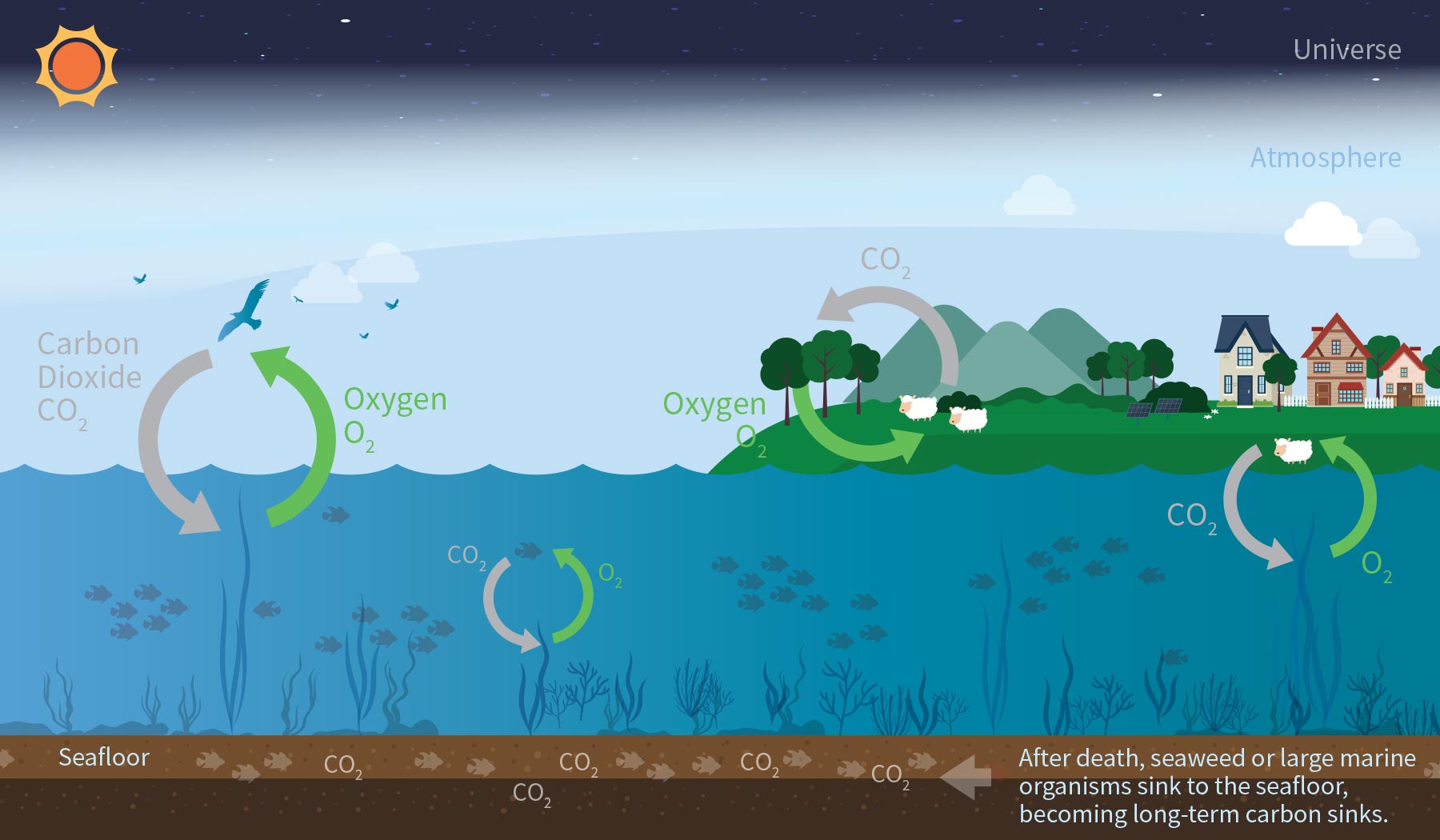
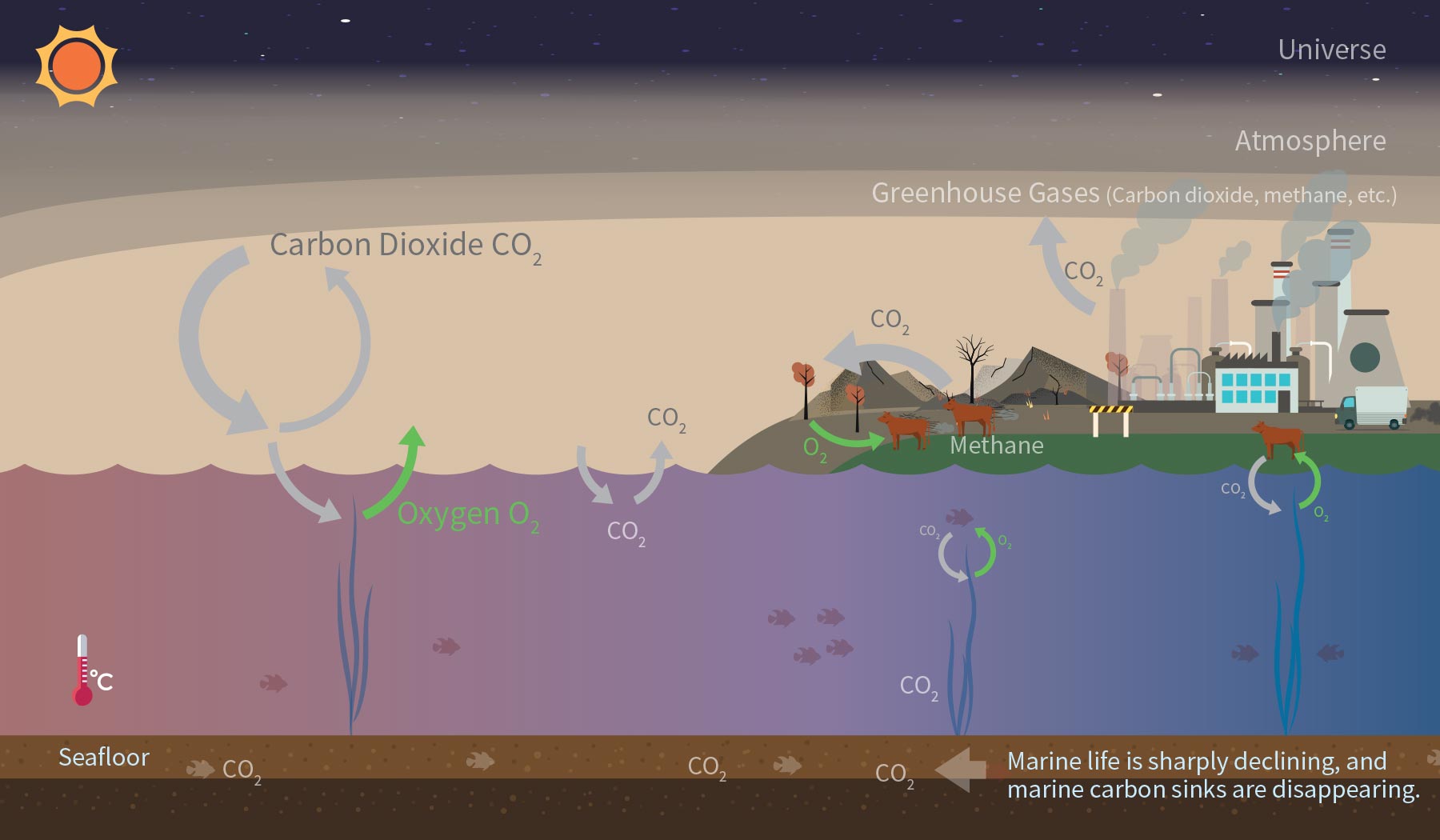
Since the Industrial Revolution (approximately 1750 to 1900), the oceans have acted as a major carbon sink, absorbing about 25% of anthropogenic CO₂ emissions and slowing the pace of climate change. Yet as ocean temperatures rise, their ability to absorb CO₂ weakens, and some regions may begin to take up less CO₂ or even release CO₂ previously stored in seawater back into the atmosphere, strengthening this warming trend.
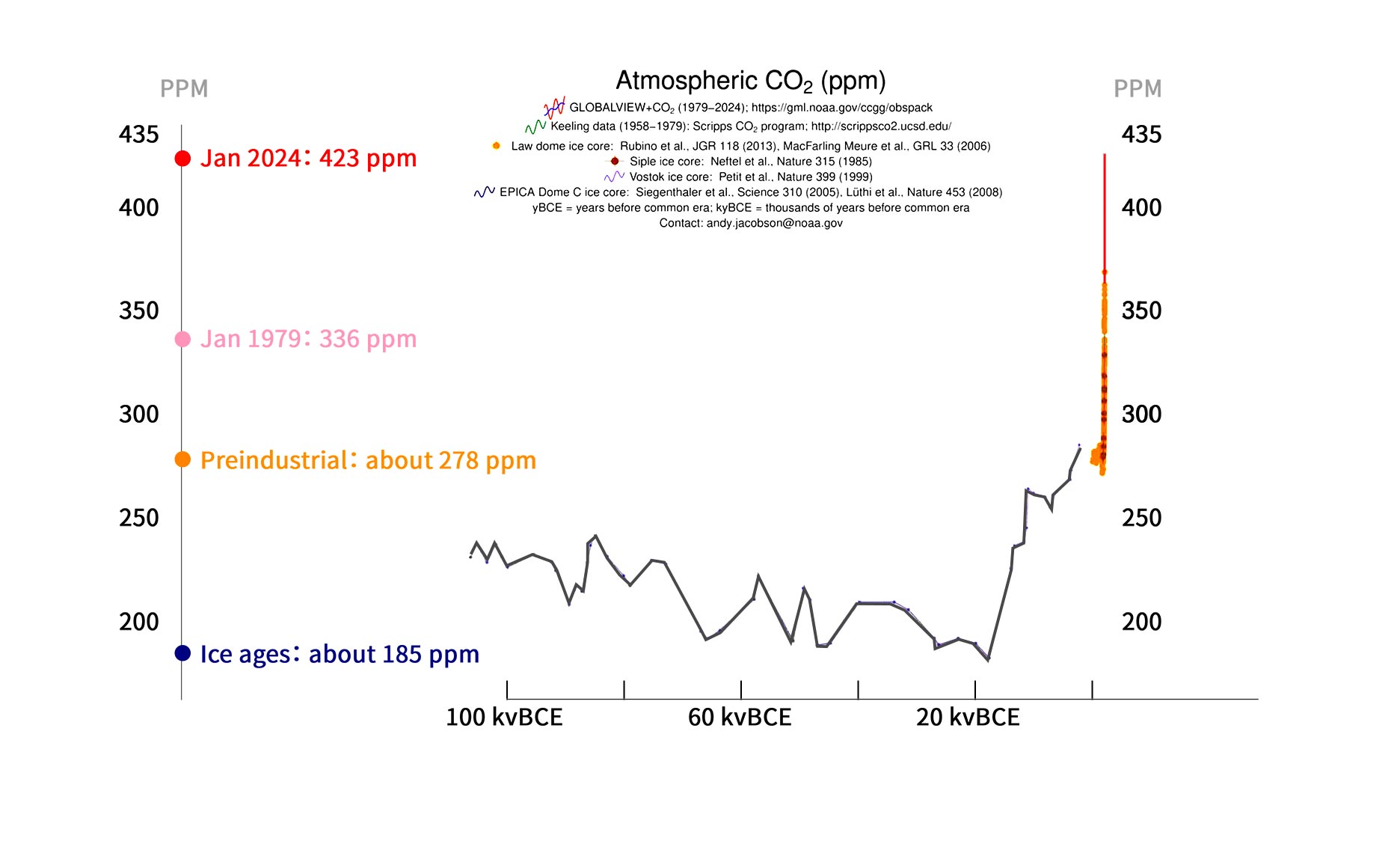
Healthy Ocean Carbon Cycle vs. Carbon Cycle Under Ocean Warming
As ocean temperatures rise, the ocean’s capacity to absorb CO₂ declines, and CO₂ previously stored in seawater can be released back into the atmosphere, further warming the planet.
VS
The Economic Perspective
“The public generally knows that the oceans are warming because of climate change, but they don’t know how fast or why the oceans are so important,” said Dr. John Abraham, who has spent years working to translate complex climate science for the wider public. He understands that “alarming scientific data” alone rarely persuades people or stays in their memory, so he often turns to the reality many care about most: the economic consequences of a warming ocean.
Abraham stressed that he doesn’t expect everyone to delve into the mechanisms of ocean warming, but he wants people to understand its consequences, which already come at a very high cost. He used his home state as an example: “In Minnesota, where I live, the weather has gotten so bad that the homeowners’ insurance industry has lost money seven out of the last eight years. It’s becoming too expensive to insure houses.”
“Let’s talk about fire insurance,” he continued. As hotter, drier conditions increase wildfire risk while warmer oceans add more moisture to the atmosphere, many areas face fewer rainstorms overall but more intense downpours when storms do occur. In the southeastern United States, this means longer dry spells punctuated by heavier rains. In low-lying coastal regions such as parts of Florida, high tides and flooding are increasingly overlapping. These shifting extremes translate into real costs – from rising insurance premiums and deductibles to mounting repair bills and government disaster assistance.
Given these escalating costs, Abraham’s response to the climate crisis is deliberately practical. He works to find common ground, avoiding the image of a “scary scientist” who wants to take things away, and instead highlights solutions that save money while cutting emissions. He points to his own choices as examples: installing solar panels at home, supporting wind power in Minnesota, and buying a hybrid car because the fuel savings over its lifetime more than covered the cost. For him, climate action should create a win–win: lowering costs, creating jobs, and protecting the environment so that even people who don’t lead with environmental ideals can still choose the options that make sense.
The reason we’re dealing with climate change is that if we don’t, it will be very expensive, and we will lose lives. So it is better to spend one dollar now to slow down climate change than spend one dollar in the future to deal with climate change.
Dr. John P. Abraham
Professor of Thermal Sciences
University of St. Thomas School of Engineering
Over the course of our conversation, Dr. John Abraham deconstructed the climate system’s mechanics layer by layer, revealing that without human disruption, Earth’s climate is a miraculously self-regulating and interconnected system. Yet once any link is pushed beyond its limits, those natural balances can begin to collapse like dominoes, and humanity cannot remain untouched, for everything is intricately connected. As with our own health, the lesson is clear: Investing in prevention now is far less costly than scrambling to repair the damage after it has spiraled out of control.
To be continued in PART 2 OF OUR SPECIAL REPORT ON OCEAN WARMING
SHARE: