Finding Heaven After the Storm
Published #76 | Spring 2025 Issue
SHARE:
We are connected like one big family. Therefore, love each other during peaceful times and help each other when calamities strike.
Dharma Master Cheng Yen
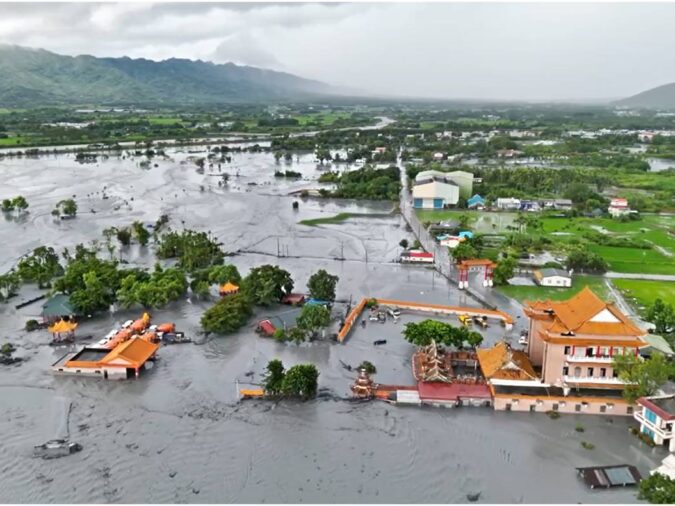
All beings on this planet are one family, and as a family, we have the duty to help one another. In October 2012, Hurricane Sandy struck the northeast coast of the United States, followed shortly by a blizzard that brought even more suffering to the people of these areas.
Tzu Chi volunteers were among the first to enter the disaster areas. In New York and New Jersey, they braved the storm to set up outdoor distribution centers to provide supplies. In a disaster of such magnitude, it was apparent that local manpower and material supplies were insufficient, so Tzu Chi volunteers from Boston rushed in with assistance. Supplies from California and Texas were delivered on a cross-country road trip.
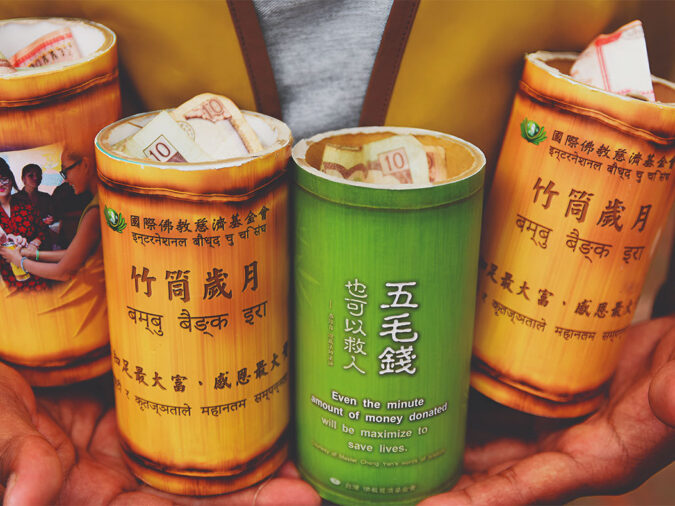
Even less wealthy nations such as Haiti, Cambodia, Myanmar, and Sri Lanka showed their compassion for the survivors of the storm by contributing as much as they could through acts of giving and love.
Volunteers visited those who remained in their homes, now wind-blown and flooded. The volunteers offered their compassion and also worked quickly to assess the extent of the damage, compiling a database of information on those in need, to prepare for even larger aid distributions.
Many inspiring moments and touching stories came out of those distributions. Before the storm, many residents of Long Island had lived very comfortably in oceanfront homes. After the storm, these same residents waited in long lines at distribution centers. One said, “I never thought I would receive help from an Asian organization, especially not a $600 debit card and a kit of daily necessities. But it’s a great feeling to know that someone out there cares.”
Tzu Chi volunteers bowed deeply to each recipient as they handed out the supplies. They were humble and gentle in their interactions.
On Staten Island, aid workers opening their distribution site one morning found an older man who had been waiting outside for nine hours. Recalling how cold the night had been and seeing the man shivering, the volunteers felt terrible and quickly put a jacket on him. Filled with concern, they asked, “You could have just gone home last night and returned today; why did you spend the whole night out here in the cold?” The old man replied, “Because the supplies I am about to receive today are all that I have in life right now.”
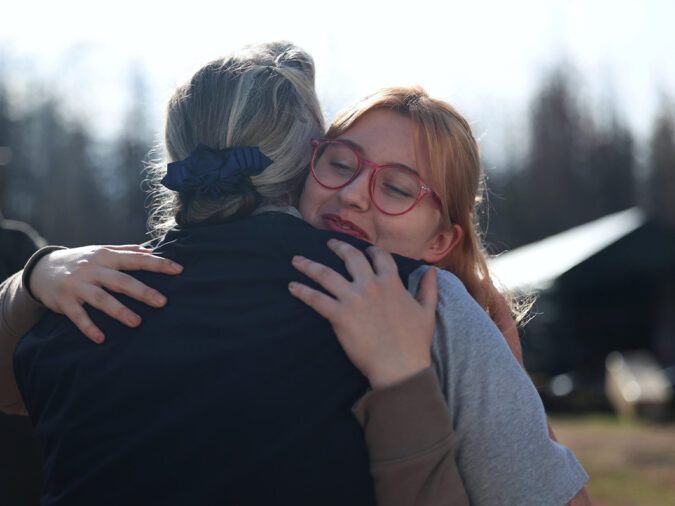
At the distribution site, a young woman told the volunteers, “My religion often speaks of heaven, and I have been looking for it every day, hoping to find it. Today, the aid you give me provides the help I need the most. Your love and care have put my heart at ease and have truly shown me a glimpse of heaven.”
Some people think, “The United States is such a wealthy nation; why do people there need our help?” Regardless of how wealthy a person is, being suddenly stricken by disaster is like being knocked to the ground. That is the moment when a person is most in need of support. Therefore, wherever disaster strikes, as long as we can reach the area, it is our duty to provide for those in need with our love and care, to relieve them of their suffering with our efforts, and to inspire the love in their hearts.
An earth-shattering disaster should bring about a world-changing awakening. It is during these times that the actions of sentient beings can affect the whole world. By joining together, our collective kindness becomes an even greater force.
From Return to Our Pure Nature by Shih Cheng Yen, published in 2015 by Jing Si Publishing
SHARE: