Editor’s Note
By Anik Ghose
Published #77 | Summer 2025 Issue

SHARE:
In this issue of the Tzu Chi USA Journal, we celebrate how Tzu Chi uplifts the voices of the most vulnerable, empowering individuals to tell their stories and transform their lives with dignity and hope. These stories – drawn from international gatherings to grassroots development efforts – reflect a global movement driven by compassion, often led by women, and deeply rooted in the Dharma.
At the heart of this issue is our cover story, “A New Home in Chinatown: Tzu Chi USA’s Chicago Service Center Opens Its Doors,” which tells the moving story of a decades-long vow finally achieved. In the heart of Chicago, a new Tzu Chi home now welcomes the community with open arms. Guided by simplicity and humanistic architecture, the center will serve as a hub for education, care, and spiritual cultivation.
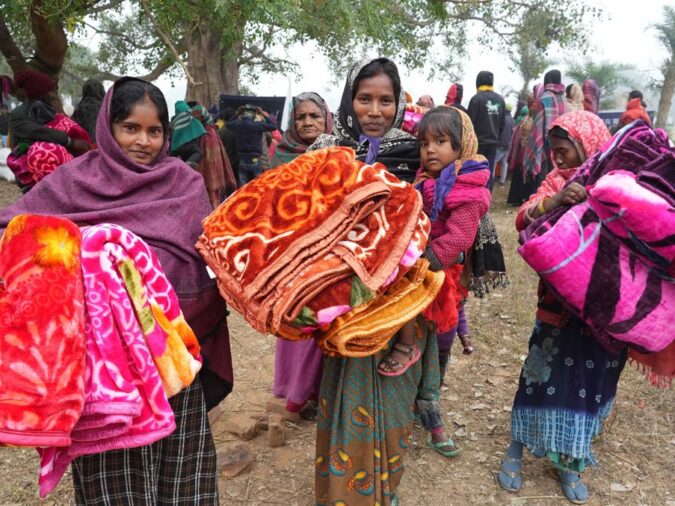
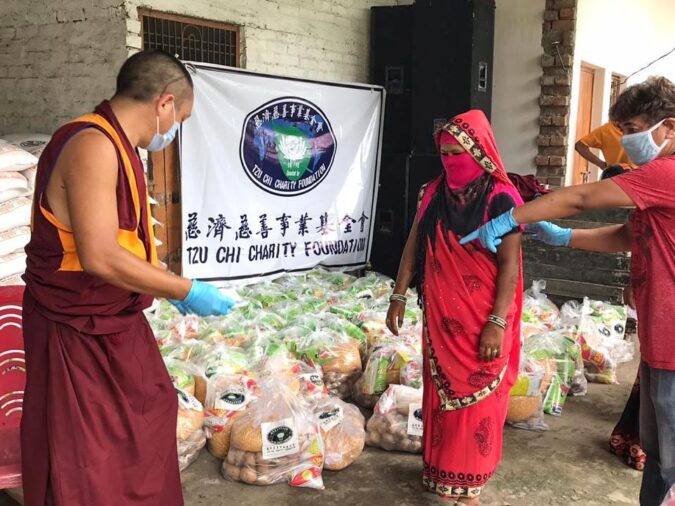
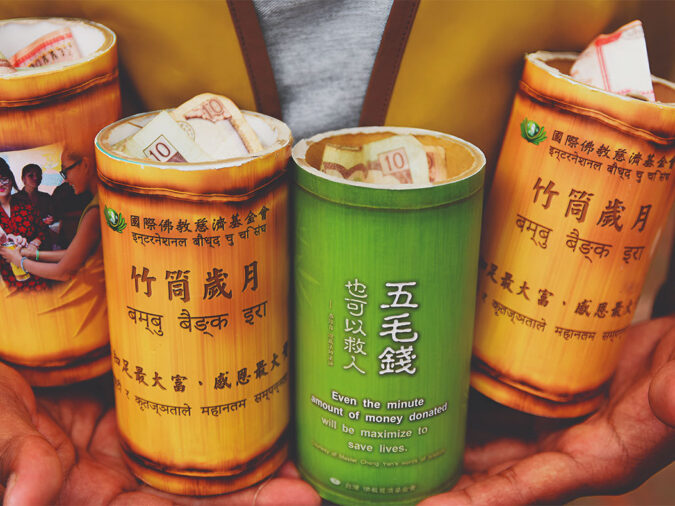
“An Aspiration Fulfilled: Tzu Chi’s Aid in Nepal” captures decades of dedication in the Buddha’s birthplace, where compassionate efforts have encompassed disaster relief, medical and charitable care, education, women’s empowerment, and more. From rebuilding homes and establishing a Tzu Chi Free Clinic to organizing vocational training programs, volunteers are creating lasting ripple effects of self-reliance and hope.
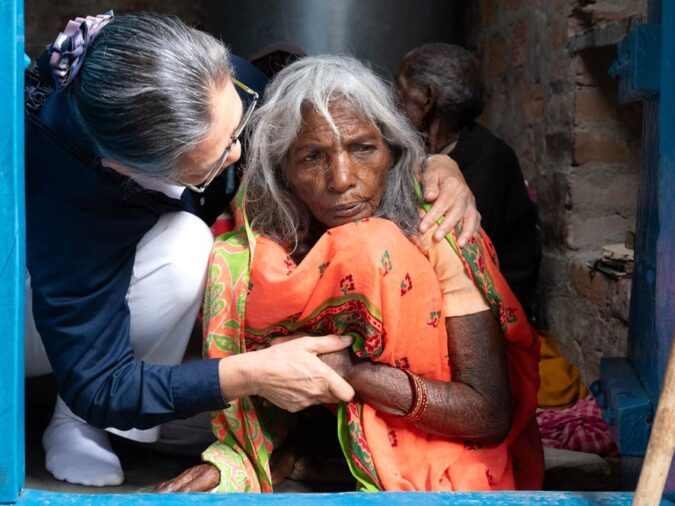
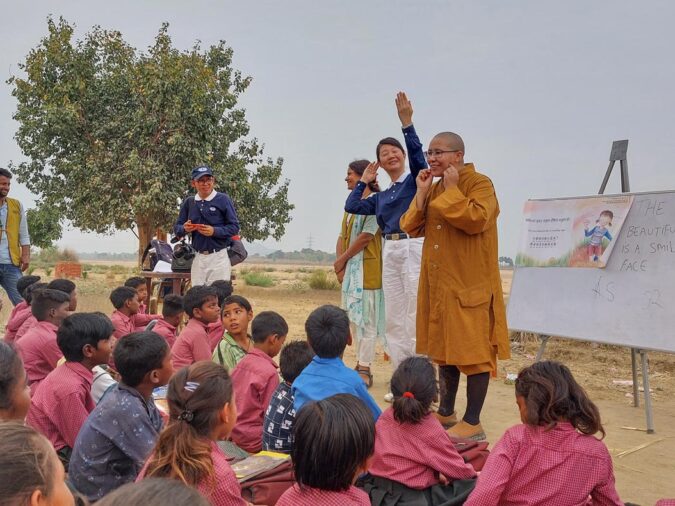
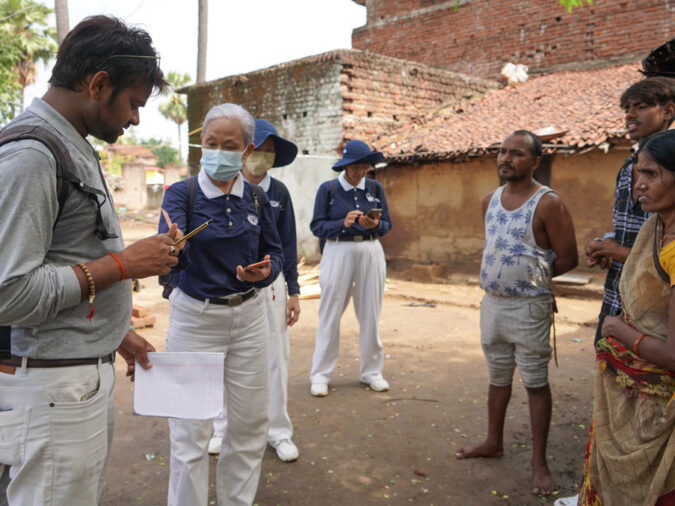
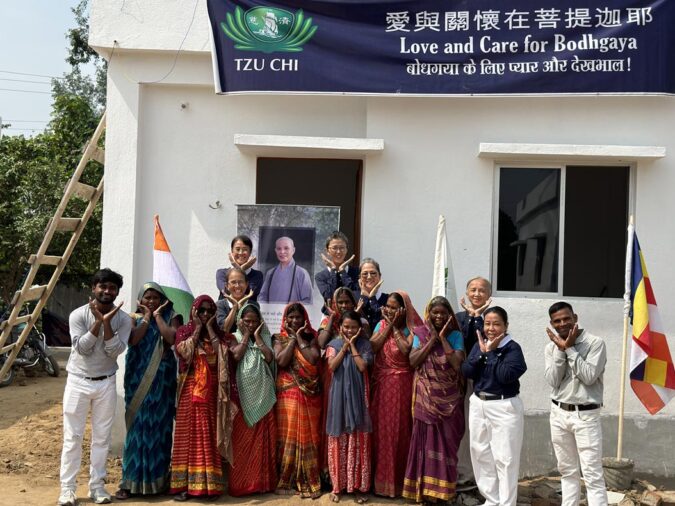
“Planting Seeds of Transformation: Tzu Chi’s Presence in India” reveals how compassion, sparked by a single child’s suffering, has blossomed into a broad and sustainable mission. The story takes us to Bodh Gaya and nearby regions, where volunteers support disadvantaged communities through a range of initiatives, including the construction of a Tzu Chi Great Love Village – all while promoting humanistic values and health awareness.
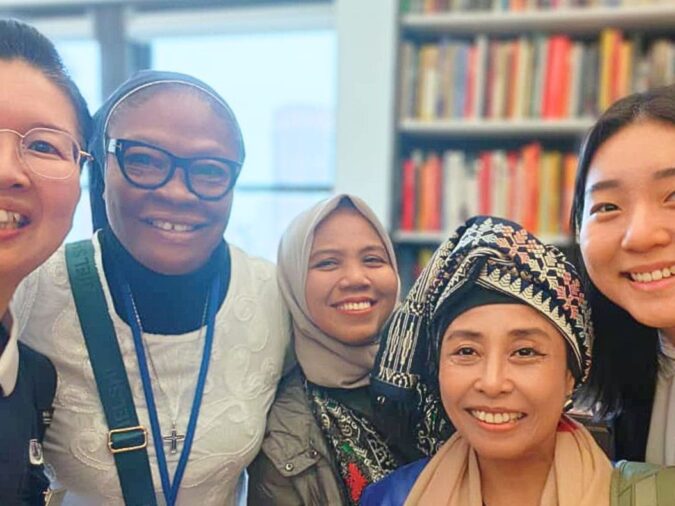
In “A Journey Rooted in Hope: Reflections from CSW69,” we learn how Tzu Chi’s participation in the United Nations’ 69th Commission on the Status of Women provided a platform for women and youth to share powerful stories of resilience. From Nepal to India, Tzu Chi’s community-led programs were presented as living examples of how dignity, education, and opportunity can transform lives, especially those of girls and women.
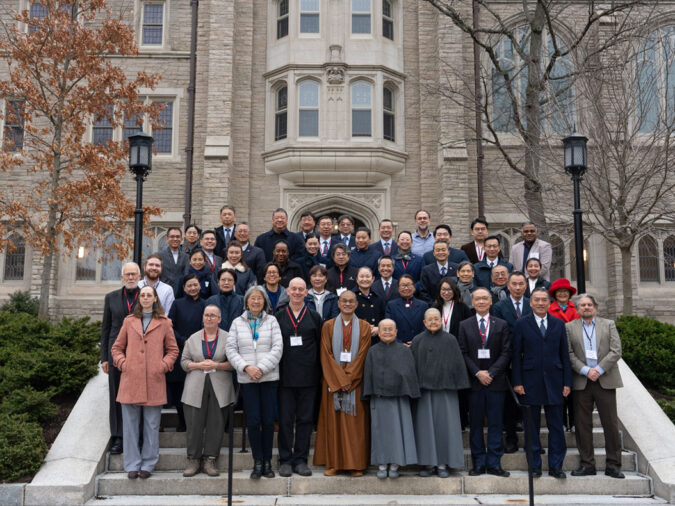
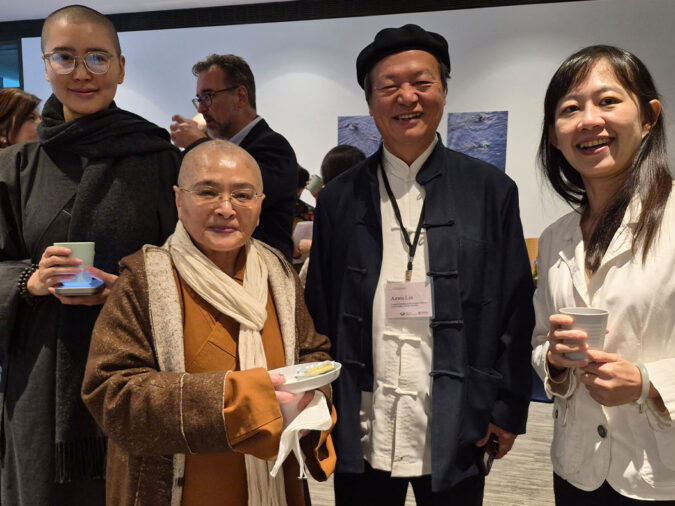
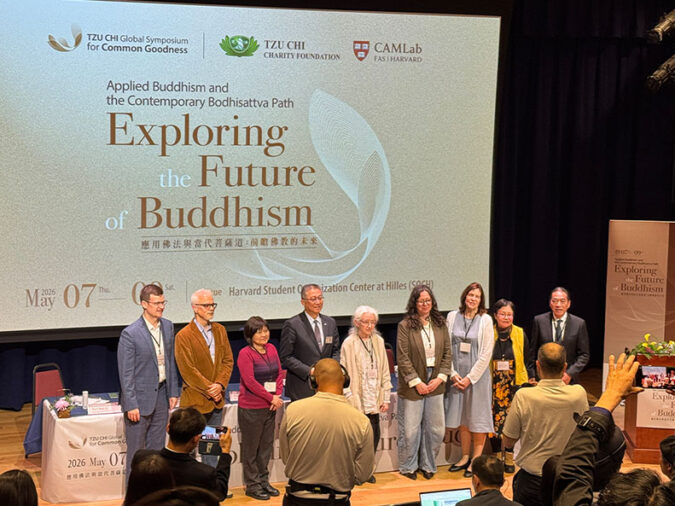
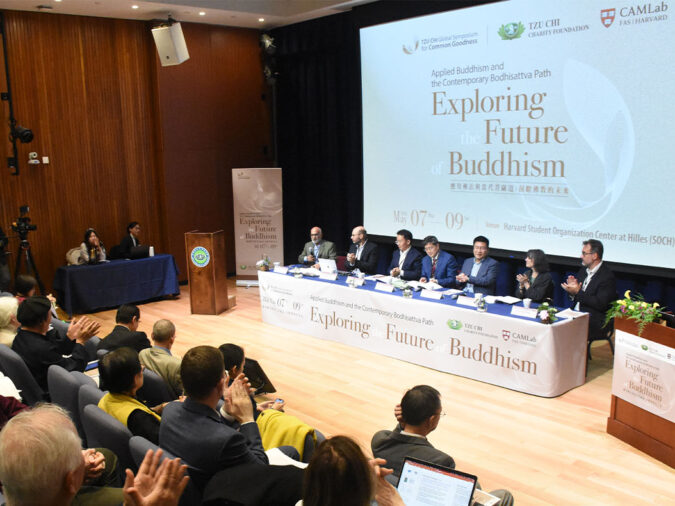
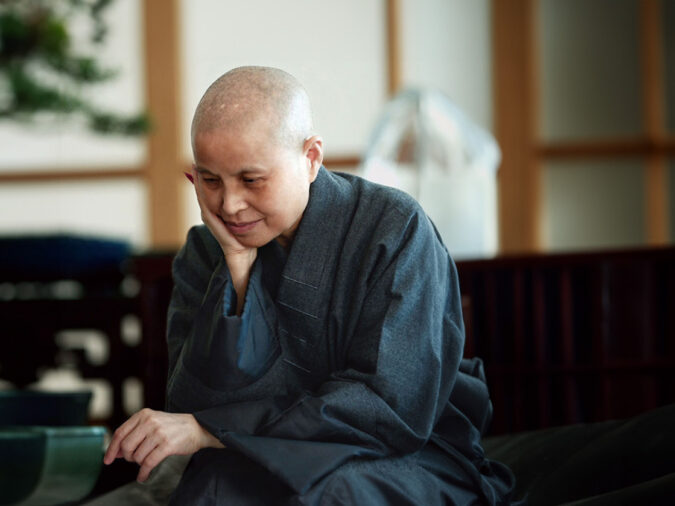
Lastly, “Exploring Pathways to Healing” highlights Tzu Chi’s collaboration with Harvard Divinity School for a colloquium on intercultural spiritual care, creating a sacred space for chaplains, scholars, medical professionals, and monastics to share their insights. In parallel, a care delegation of Dharma Masters from the Jing Si Abode in Hualien, Taiwan, visited the United States, spreading wisdom and comfort across cities, reaching from wildfire-stricken communities in California to the halls of Harvard. Their journey highlighted how presence, storytelling, and Buddhist humanistic values can serve as pathways to healing.
Through every story, one message is clear: when we empower the vulnerable, we all rise. May these pages inspire compassion in action, now and always.