Dharma as the Remedy for the Troubled Mind
Published #77 | Summer 2025 Issue

SHARE:
To be a genuine Buddhist practitioner, we must commit to engaging in spiritual practice for the sake of sentient beings. To be a genuinely good person, we must commit to helping others.
Dharma Master Cheng Yen
I have often heard Tzu Chi volunteers say, “I am willing,” and these heartfelt vows deeply move me and give me confidence. For nearly six decades, Tzu Chi has walked an arduous path. I am grateful for companions along the way, support from behind, and trailblazers ahead. Because of everyone’s support, we have now paved this path quite smoothly.
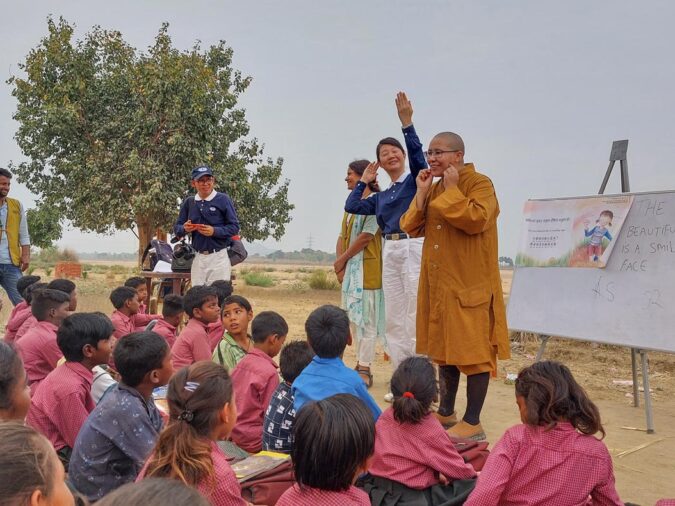
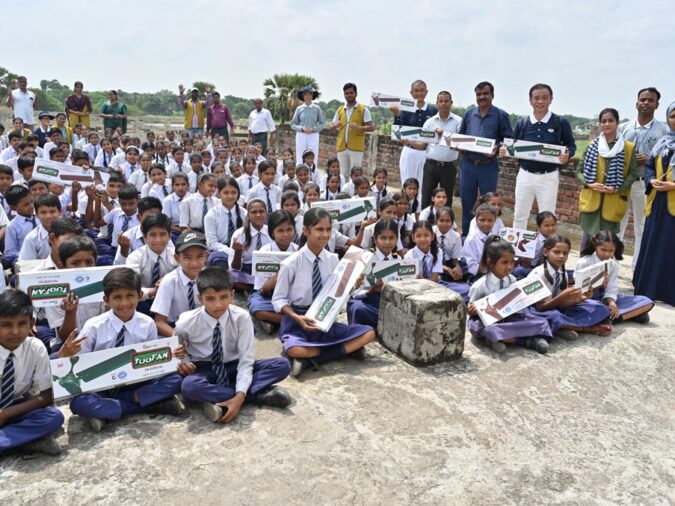
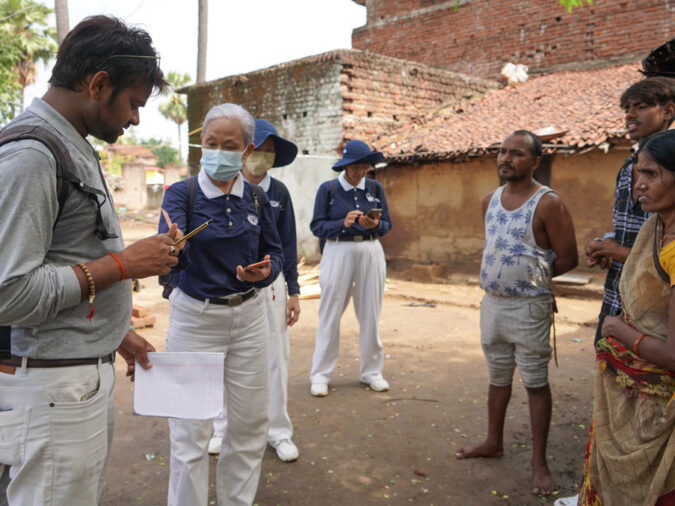
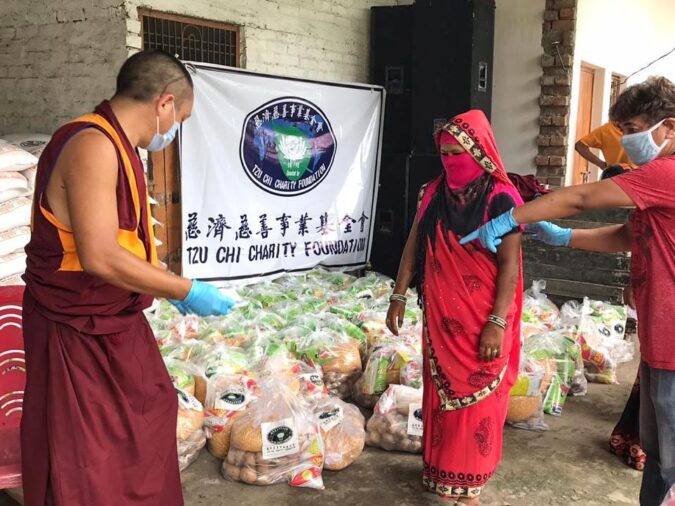
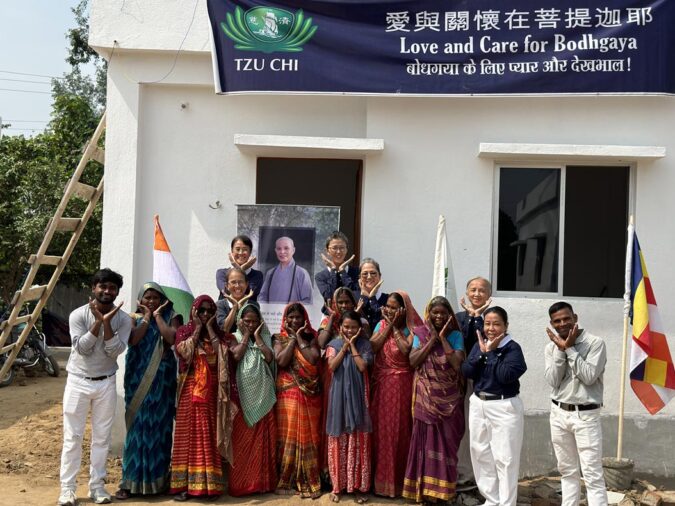
I am thankful to the bodhisattva-volunteers from Singapore and Malaysia who have diligently listened to the Dharma for many years and heard my wish to give back to the Buddha’s homeland. For two years, groups have been taking turns traveling to Nepal and India, cultivating community relationships and planning housing and school construction. In India’s Silaunja Village near Bodh Gaya, 36 Great Love houses are already under construction. Families currently living in dilapidated grass huts will soon move into permanent homes in an orderly village, bringing stability to their lives.* With sincerity in our hearts, starting from that community, we can truly inspire local bodhisattva-volunteers to emerge and participate.
What the secular world calls “giving back” often refers to repaying kindness through material goods or money. But what we give back to the Buddha’s homeland is wisdom life. If the Buddha had not been born into this world more than 2,500 years ago, formed aspirations to practice, and taught sentient beings to become bodhisattvas, perhaps we would still be lost in delusion today.
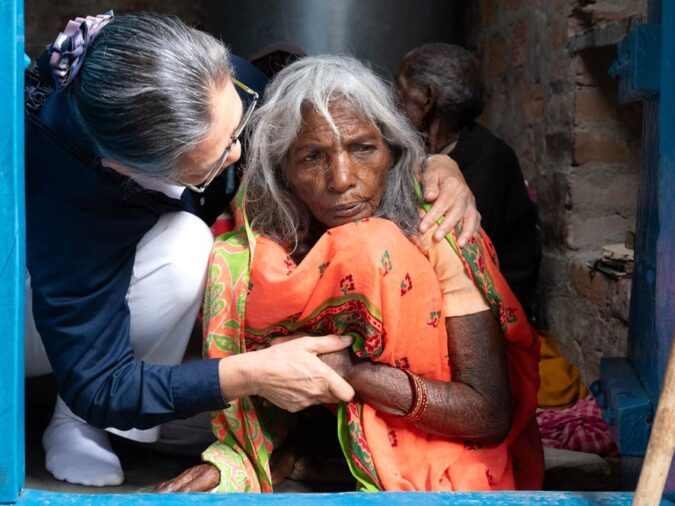
When Prince Siddhartha left the palace, he witnessed the suffering of people outside the royal city – those who fell ill without medicine or care, the elderly with no homes to return to. Everywhere he looked, he saw sickness, suffering, and poverty. He realized that even if he succeeded to the throne and gained power, he could not help these suffering people. How could he help everyone understand suffering? How could he teach the “method of liberation from suffering”? He decided to leave his family to seek the truth. After enduring ascetic practices and inner struggles, he finally awakened to the principles governing the universe.
During the Buddha’s lifetime, transportation was difficult, and he could not travel far. Moreover, without modern equipment and technology, his voice could only reach so far. Buddhist texts describe the Buddha’s voice as “reaching from near to far, penetrating all ten directions.” Is this possible? This describes how the Buddha’s awakened truth, unbound by time and space, could penetrate the hearts of those who heard the Dharma. Everyone has wisdom equal to the Buddha’s, but ordinary people are confused, their pure nature polluted by afflictions and ignorance. When we speak of bringing purity to human hearts, we mean transforming delusion into enlightenment, moving from confusion and ignorance to right understanding and right views.
The Buddha’s awakened wisdom, in modern terms, is like psychology and can help resolve mental confusion. Birth, aging, illness, and death are natural, yet we still worry and feel anxious. Or we become entangled in emotions, bound without freedom, where deep attachment can turn to deeper hatred so that afflictions wound our hearts. The wise understand that the human realm involves suffering, and that life comes and goes according to cause, condition, effect, and retribution.
Recognizing impermanence is the greatest awakening. Everyone can talk about impermanence, but without truly comprehending its principles, when facing difficult situations, people lament, “I haven’t done anything wrong. Why is this happening to me?” “Why me? I’ve already done so much good!” Such thoughts reveal ignorance of the workings of cause and effect, showing the Dharma has not entered their hearts.
We must use the Dharma to resolve what the mind cannot understand and use the perspective of causes and conditions to find inner harmony. Otherwise, no amount of external advice will help bring a resolution. Only by seeing clearly and letting go can we move forward rather than sink into suffering. Most importantly, we must transform negative karma into positive affinities. We must also quickly use the Dharma to help others resolve their afflictions.
Today we can use the Buddha’s teachings to understand our true nature. The Dharma came from the Buddha’s homeland, and we must now return it there. This generation of Tzu Chi volunteers must fulfill the Buddha’s wish from over 2,500 years ago. Tzu Chi’s Bodhisattva Path has already helped countless people achieve profound understanding and relieved many of their suffering. Now we must implement these methods and experiences locally, transforming the lives of people in suffering, and ensuring that the true Dharma endures for the future.
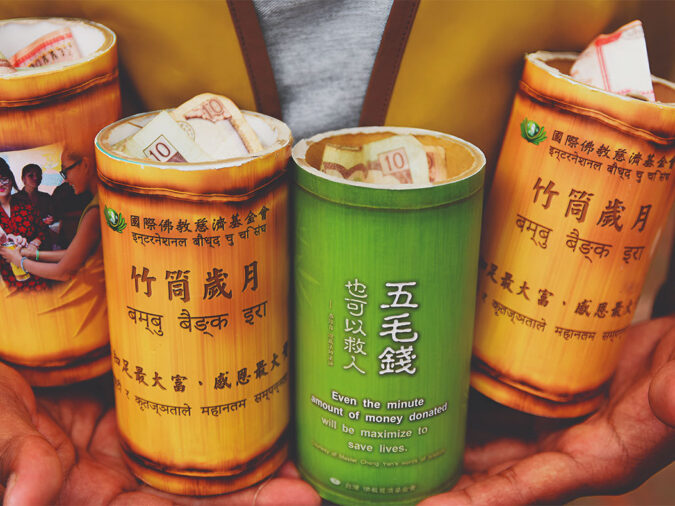
I am grateful to the bodhisattva-volunteers in Singapore and Malaysia who have gone to the Buddha’s homeland on our behalf. We must share more with everyone and support them with our strength. We often speak of “infinite merit” – when everyone’s intentions and small contributions come together, they can achieve great merit.
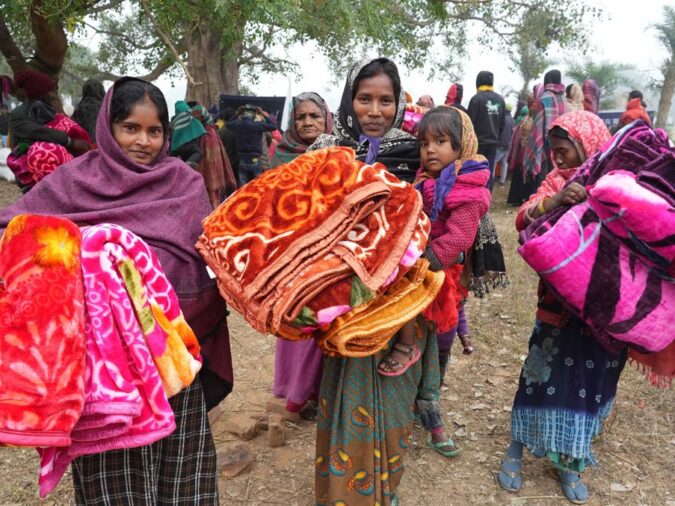
Natural disasters, manmade calamities, poverty, and illness – how many suffering people around the world need help? One person cannot save all, and when only a few people gather together, they lack sufficient strength. We need everyone to come together. When we can see and hear, our love can reach everywhere. As long as the Dharma can spread, we can bring purity to humanity.
The Buddha’s one great cause in appearing in this world was to teach the Bodhisattva Path. We need not wait years to become bodhisattvas – in this lifetime, we all have the condition to be bodhisattvas. To hear the Dharma, accept it, and bring it into the world – these are all means of spreading the Dharma. To give everyone the opportunity to create blessings is to benefit all beings. Spreading the Dharma and benefiting beings – this is being a bodhisattva right where you stand. Everyone, please be mindful!
*Compiled from Dharma Master Cheng Yen’s teachings from March 2 to 11, 2024. Since then, the Silaunja Great Love Village in India was inaugurated on October 27, 2024, and the families are now living in the 36 new homes.