Planting Seeds of Transformation: Tzu Chi’s Presence in India
Written by Ida Eva Zielinska
Published #77 | Summer 2025 Issue
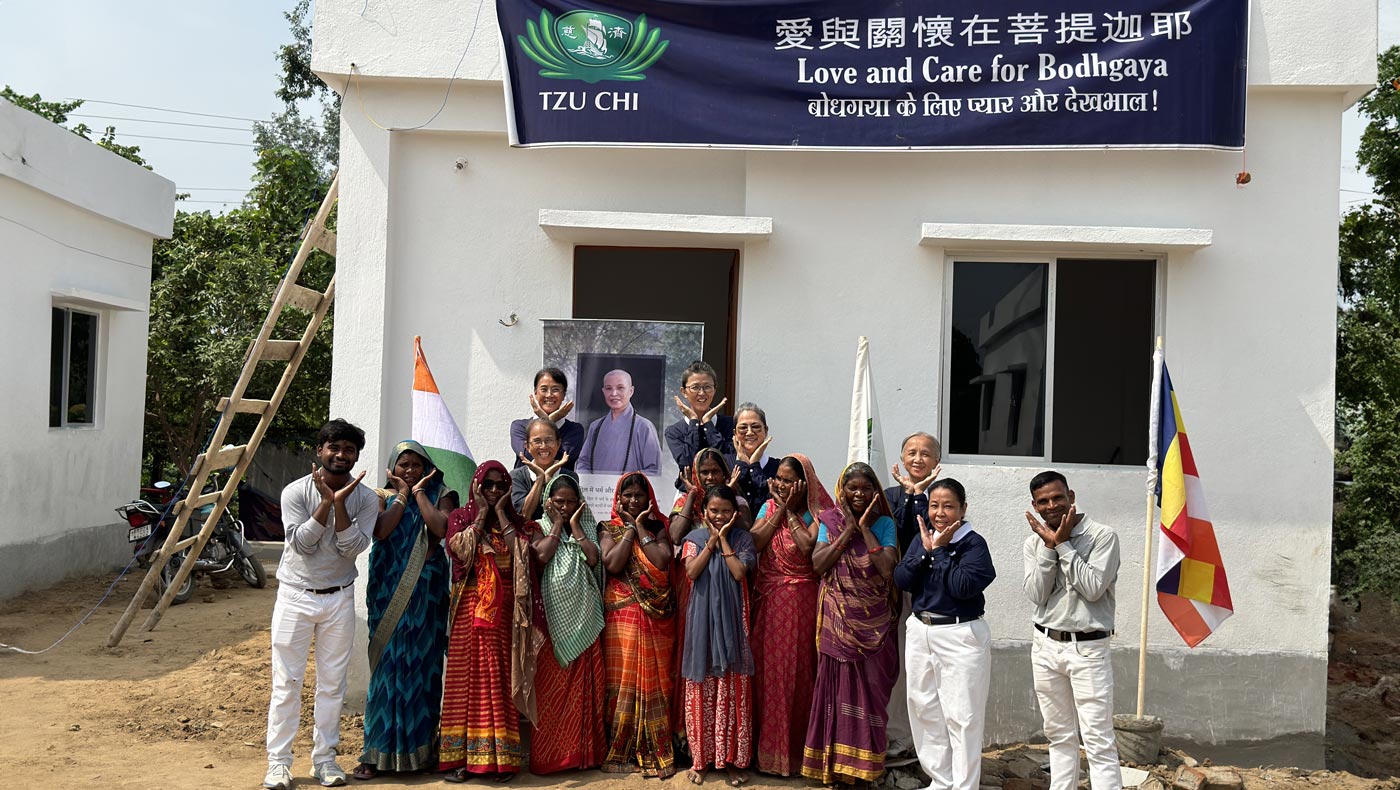
Tzu Chi volunteers and several residents of the newly established Great Love Village in Silaunja, near Bodh Gaya in Bihar, India, pose for a group photograph in front of one of the new homes. The village, inaugurated in October 2024, provides permanent housing for 36 families. Photo/Juifen Huang
SHARE
Places related to the life of Siddhartha Gautama, known as the Buddha, are sacred to Buddhists around the world. There are four principal pilgrimage sites, which the Buddha himself identified as inspiring in the Mahāparinibbāna Sutta.
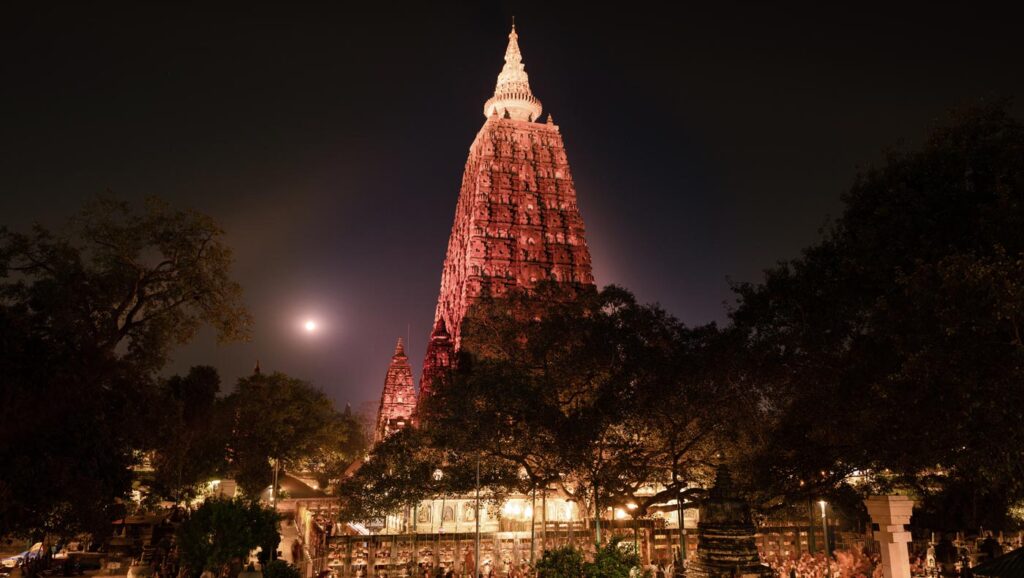
Lumbini, located in southern Nepal, is revered as his birthplace. Bodh Gaya, in the state of Bihar in northern India, is where he attained enlightenment while meditating under the Sacred Bodhi Tree. Also in India are Sarnath, where the Buddha delivered his first sermon, and Kushinagar, where he drew his last breath at 80 and entered parinirvana – the final liberation from suffering and the cycle of birth, death, and rebirth.
Bodh Gaya – the place of his awakening and home to the Mahabodhi Temple, which marks this hallowed ground – is considered the most important among the four pilgrimage sites. For Dharma Master Cheng Yen, founder of the Buddhist Tzu Chi Foundation, the call to bring assistance to the city and its surrounding villages encompasses both spiritual reverence and humanitarian concerns.
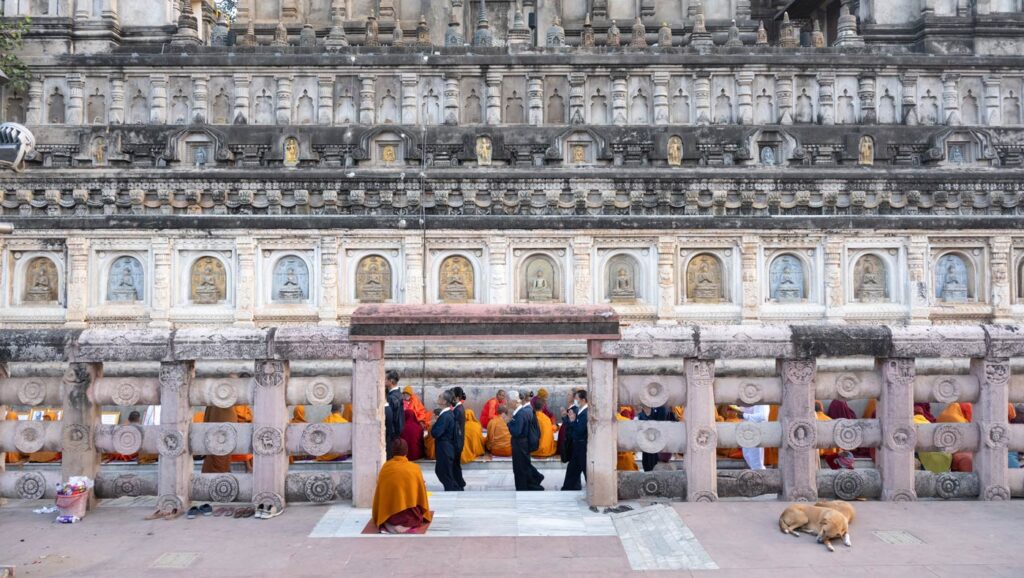
During the Buddha’s lifetime in the 6th to 5th century BCE, Buddhism flourished across northern India, attracting kings, scholars, and the general population alike. Monastic communities and centers of learning emerged alongside a growing lay following, creating a vibrant landscape of spiritual inquiry. Today, however, Buddhism is a minority religion in India. According to the 2011 Census, around 8.4 million people are Buddhists, making up just 0.7% of the total population.
Moreover, poverty remains a serious concern in northern India, particularly in states like Bihar and Uttar Pradesh, where access to education, health care, and basic infrastructure is often limited. According to the United Nations Country Programme Document for India (2023–2027), “one in four Indians remains multidimensionally poor, and the top 10% of the population earn 20 times as much as the bottom 50%, making India among the most unequal countries in the world.”
The enduring effects of the caste system further compound these disparities. The Scheduled Castes, the most socio-economically disadvantaged groups in India who were traditionally excluded from society, and include Dalits – historically referred to as “untouchables” – constitute approximately 16.6% of India’s population, or over 200 million people, according to the 2011 Census. Despite legal protections, many continue to face social exclusion and economic hardship, particularly in rural areas.
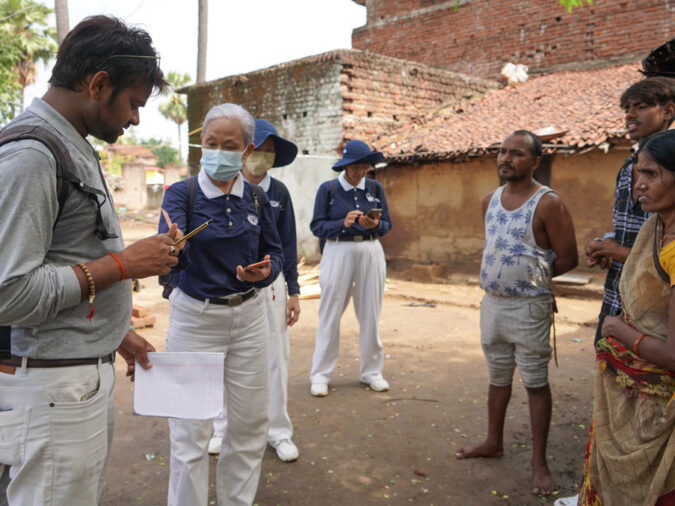
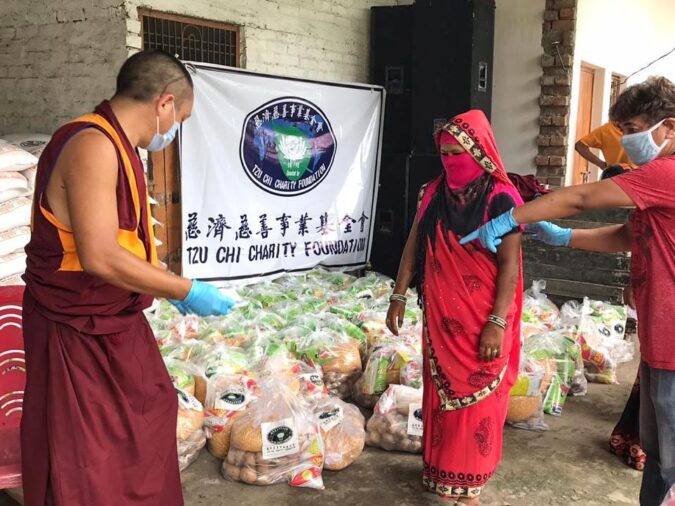
While Tzu Chi is paying particular attention to such marginalized communities in its ongoing aid efforts in Bihar, the mission in India began in response to a disaster in 2001, followed by assistance during the COVID-19 pandemic.