The Team Behind the Scenes of Tzu Chi’s Relief

Written by: Sophie X. Song  
Edited by: Adriana DiBenedetto

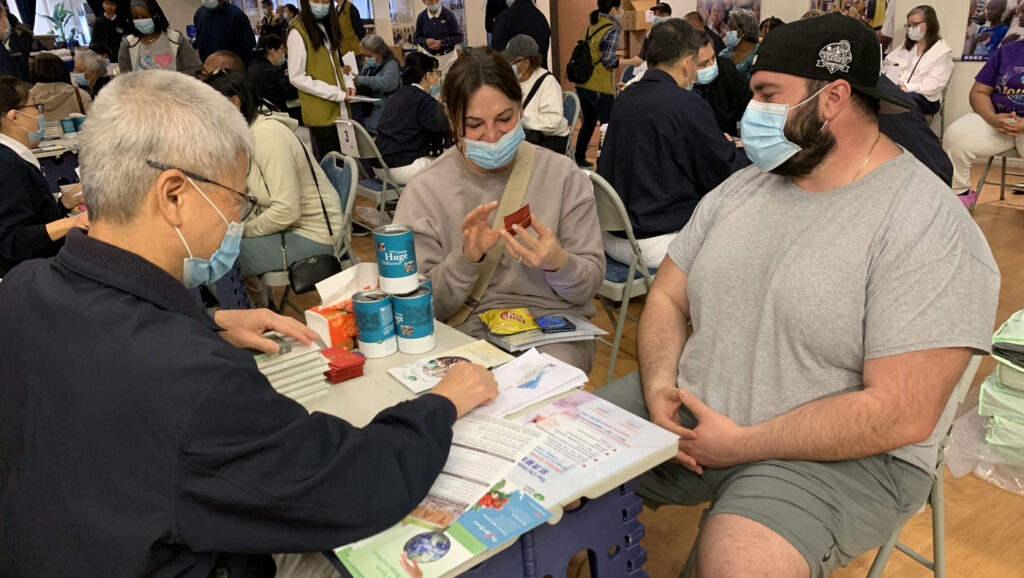
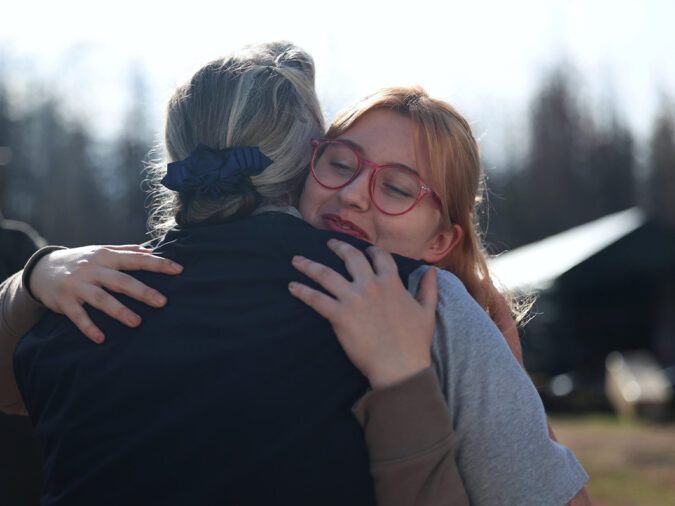
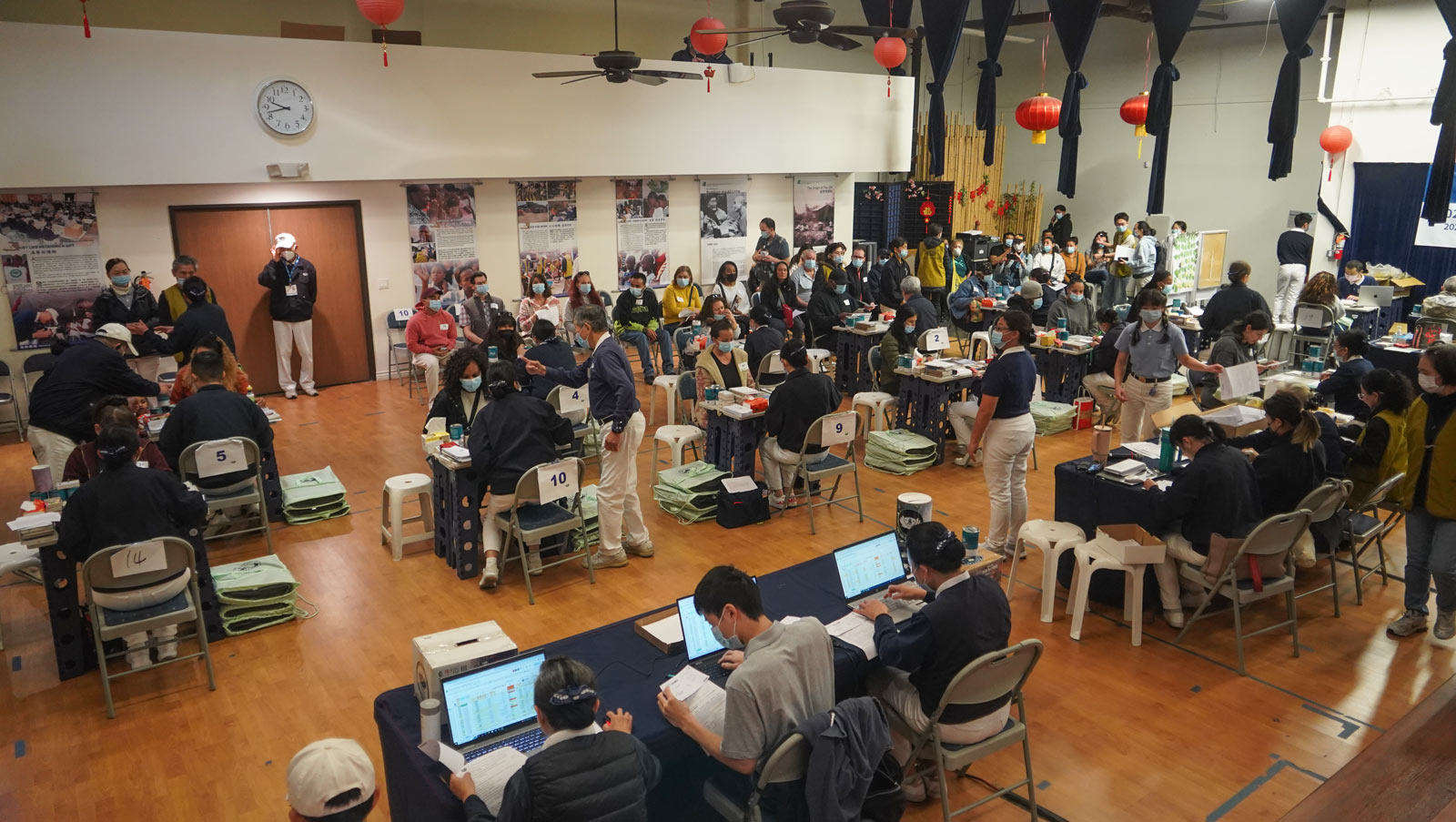
On February 16, 2025, a Los Angeles wildfires disaster relief distribution is held at Tzu Chi USA’s San Gabriel Valley Service Center, with Tzu Chi’s Damage Verification Team helping ensure the large-scale event runs smoothly. Photo/Luca Ye

SHARE

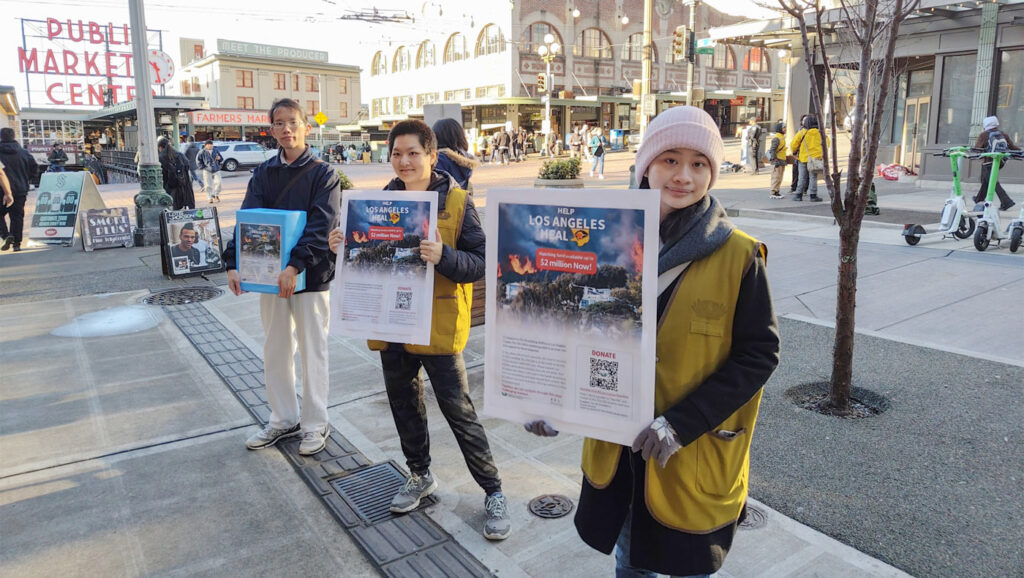
When several fires erupted in Los Angeles County at the onset of January 2025, their ferocity caught everyone by surprise, and Tzu Chi volunteers immediately mobilized to prepare for relief. At the same time, volunteers across the country took to the streets to fundraise for the affected areas.

While fundraising, Tzu Chi USA’s Northwest Region also mobilized the verification team to oversee disaster survivor data. This allowed volunteers on the front lines to carry out relief distributions in an organized manner, and ensured that every disaster relief cash card made it to those who truly needed it most.

A Process Born From Experience

Initially, Tzu Chi USA’s Northwest Region relied on other groups and organizations to help create lists of disaster survivors, but volunteers raised concerns with this approach. “In the past, we had to rely on the American Red Cross or other charity organizations to provide us with survivor lists, and we would issue cash cards based on those lists. However, waiting for these lists would sometimes delay our relief,” said Minjhing Hsieh, Deputy Executive Director of Tzu Chi USA’s Northwest Region.

Volunteers also highlighted the importance of verifying and cross-checking the lists of disaster survivors. “In October 2017, a large wildfire, the Tubbs Fire in Northern California, destroyed over 5,600 structures. At the time, Minjhing Hsieh reassigned me to the emergency relief center to help verify disaster survivor data, which would then be handed over to the financial volunteers,” recalled Tzu Chi volunteer Selena Lo. “Every night, I would input each disaster survivor’s information into the computer. I found many duplicates — for example, I had already entered the same address. So, I asked another volunteer, Mei Chen, to help me review all the information, including ID numbers, names, addresses, and Red Cross numbers. We highlighted any duplicates with different colors. Many cases of duplicate aid were discovered — for example, in one family, after the husband applied, the wife would also apply. But once the cash card is issued, even if duplicates are later found, it would be impossible to reclaim duplicate funds that could have made a difference for another person in need,” shared Lo.

With this, the verification team began to think about further improving the distribution process, with a focal point on registration efficiency to ensure only those who truly qualified received the aid funds, thus allowing more impacted families to be served. 

“Later, we adopted the method of directly obtaining distribution data online. Tzu Chi USA’s website would open a disaster survivor registration page when a disaster occurred. We promoted this registration link as widely as possible through social media, word of mouth, and other local organizations, so disaster survivors could quickly register online,” Minjhing Hsieh explained. As survivor data continuously flowed into the backend, it needed to be processed, verified, and evaluated quickly and carefully.

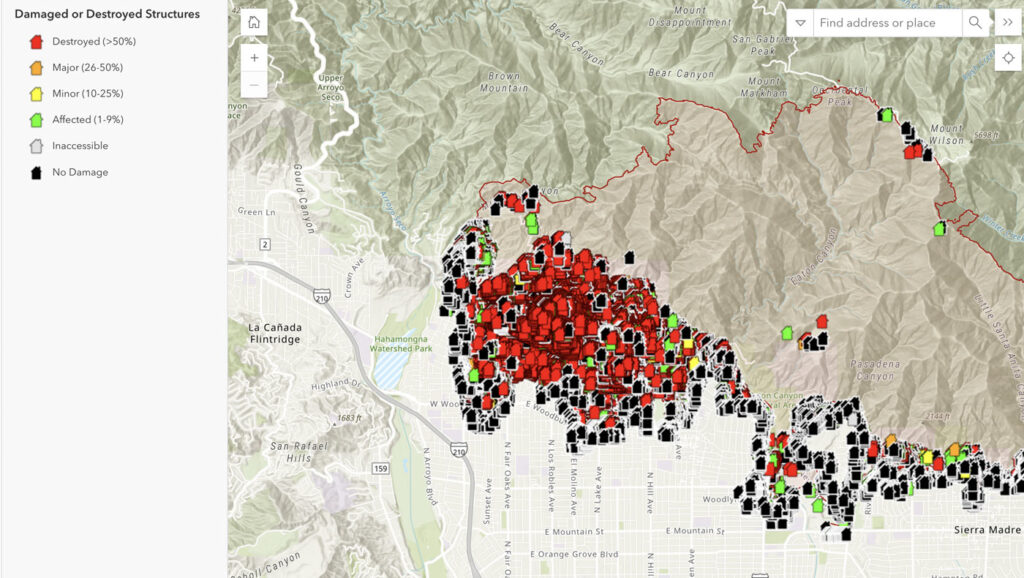
“After a disaster, the government would release a detailed disaster distribution map, marking clearly which homes were fully or partially destroyed. We would use the addresses provided by the survivors to cross-check information,” said Minjhing Hsieh. “Additionally, the registration form included family member information, which allowed us to check for duplicate applications and ensure that each household received only one disaster relief cash card. These backend tasks are essential. Without the verification team, volunteers on the front lines would not be able to distribute aid effectively.” 

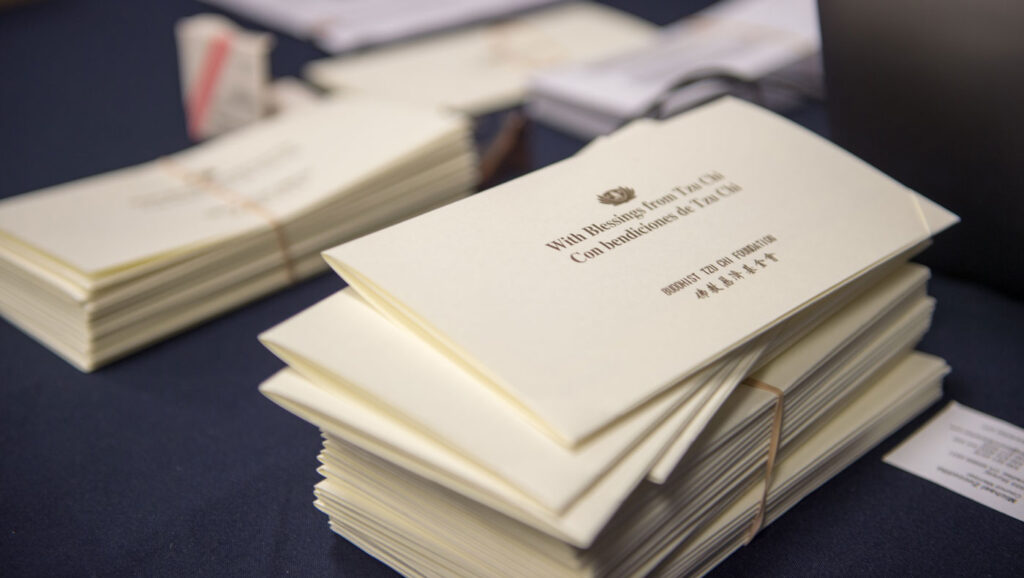
Most of Tzu Chi USA Northwest Region’s disaster aid does not involve on-site registration. Instead, individuals are asked to fill out a registration form that includes their identity, damage situation, and household size. Once the distribution amount is confirmed per household, the survivors are invited to pick up their financial aid in the form of cash cards and other supplies. At the same time, frontline volunteers receive the list of disaster survivors for the day from the verification team, with the exact amount each household should receive clearly indicated, so they don’t have to make eligibility decisions on the spot.

After careful deliberation, the volunteers’ newly developed verification system was used on a large scale for the first time during Tzu Chi USA’s 2018 Camp Fire disaster relief operation. “The Camp Fire was so large that division of tasks was crucial. We broke the tasks down into batches, stages, and responsibilities,” Minjhing Hsieh recalled.

The Camp Fire was far from us — about a three to four-hour drive. We had distributions nearly every day, so planning the manpower in advance was crucial. We assessed and organized the data we collected and made sure to plan how many volunteers were needed on-site and how many survivors we could serve per day. It was all carefully calculated.
Under the leadership of Hsieh, Tzu Chi USA’s Northwest Region volunteers distributed aid to nearly 8,000 households from mid-November to the end of 2018. “Now, when we return to affected communities, wildfire survivors still recognize us,” he said.
Thanks to the thorough preparation of volunteers in Northern California, every distribution during the 2018 Camp Fire disaster relief mission is carried out in an orderly manner, delivering hope to hundreds of households affected by this catastrophe. Photo/Andy Chiang

Assisting Southern California

With the combined experience of years past, the verification team had become increasingly efficient, and volunteer task assignments had become second nature. This also meant that Tzu Chi volunteers were ready when another tragedy transpired.

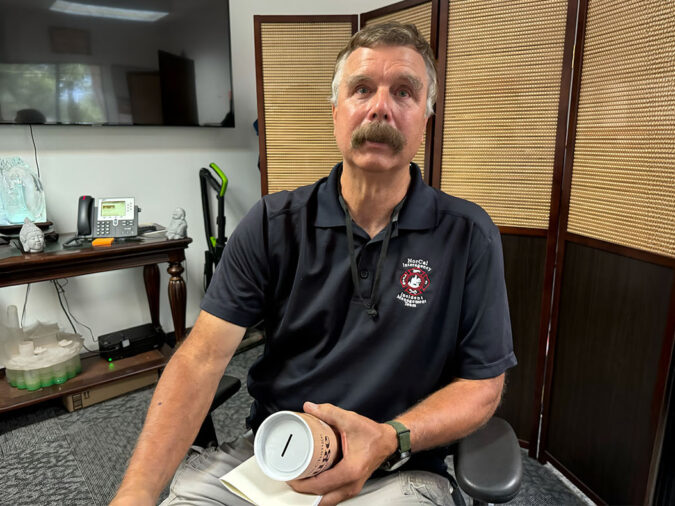
“Because Northern California has experienced numerous disasters in recent years, we needed to strengthen the team’s coordination and synergy,” said Tzu Chi volunteer Mei Chen. “We are used to monitoring sudden events like fires and storms. So, when the Los Angeles fire occurred on January 7, we immediately began to discuss our next steps together,” said verification team leader Arthur Chih.

2025 Southern California Wildfires

In addition to leading the verification team, volunteer Arthur Chih (left) travels from Northern to Southern California to provide his extensive emergency relief experience on February 2, 2025, serving Eaton Fire survivors at the Tzu Chi San Gabriel Valley Service Center. Photo/Pheel Wang

In addition to offering remote assistance to fellow volunteers, the verification team immediately created a Standard Operating Procedure (SOP) presentation so that more team members could quickly familiarize themselves with the process.

“On January 13, we learned that a Disaster Recovery Center was going to open on January 14. We immediately discussed with our headquarters how we could help and prepared a slide presentation to show them how Northern California had operated in the past, providing them with a reference. After headquarters reviewed it, we divided the responsibilities — deciding which parts would be led by headquarters and which parts would be supported by the Northwest Region branch from behind the scenes,” said Arthur Chih.

Many volunteers heard the news — from San Jose, to Seattle, and Portland — and immediately signed up to help.

In just seven to eight days, we organized four data verification volunteer orientation sessions, three in Chinese and one in English, to introduce the process to the volunteers who joined. So far, there are 45 volunteers, including some Tzu Chi collegiate volunteers who have graduated from universities.

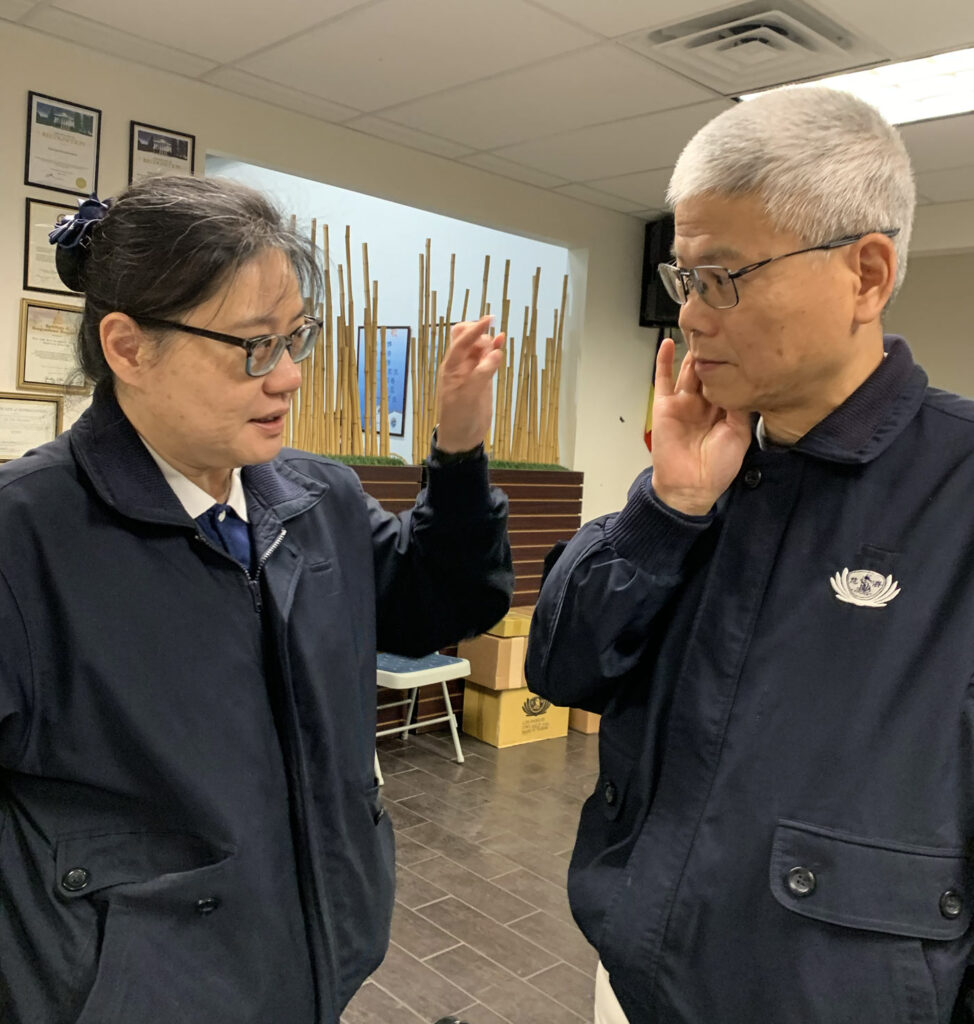
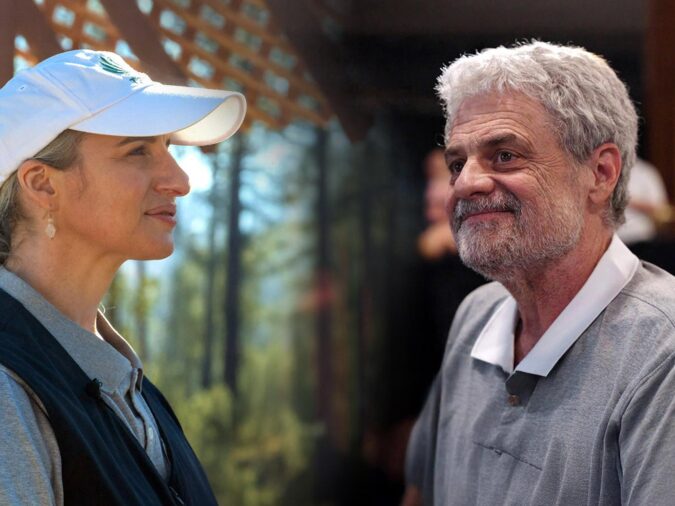
At Tzu Chi USA’s San Gabriel Valley Service Center, Arthur Chih (right) discusses distribution details with Tzu Chi USA’s Culture and Communications Department Director, Ting Fan (left), on February 2, 2025. Photo/Pheel Wang

The applications submitted through Tzu Chi’s website are transmitted to the backend, where Mei Chen first uses a program to transfer the information into a master spreadsheet. Then, volunteers divide the tasks to verify disaster survivors’ addresses and assess the extent of damage to their homes.

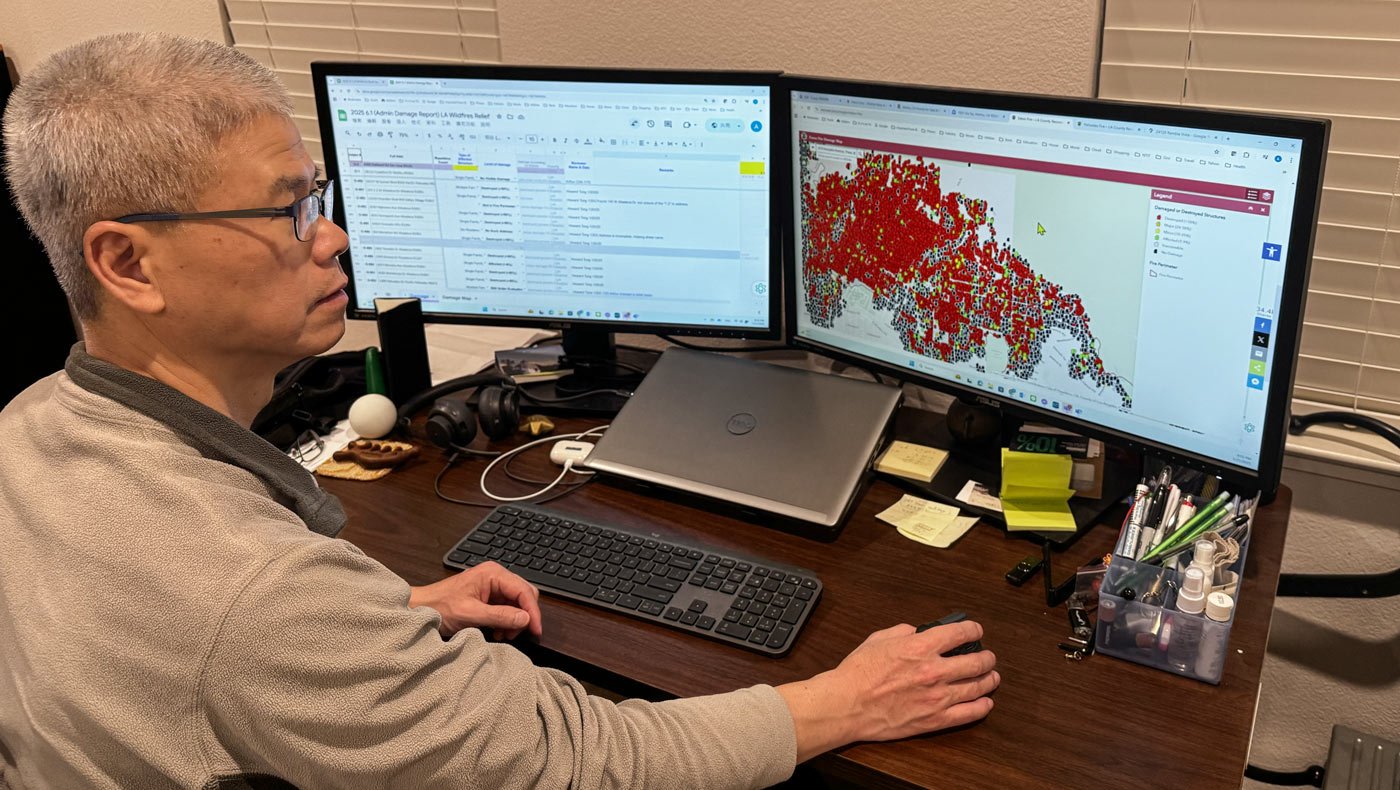
“We need to confirm whether the address provided by the disaster survivor is correct, whether the home is indeed within the fire zone, and the type of structure. For example, if it’s a single-family house, an apartment building, a mobile home, or something else,” explained volunteer Tony Yang. “We verify by address, and utilize a map provided by the Southern California Fire Department to help determine the fire situation. Based on on-site inspections by firefighters and their professional assessment of the burn severity, this map helps us decide the amount to distribute based on the damage level and the number of household members.”

Before aid distributions, Tzu Chi volunteers utilize several resources, like maps provided by LA County Recovers, to verify the damage wrought by the Eaton Fire to disaster survivors’ homes. Screenshot/LACounty.gov

“In some cases, we need to use other resources to assist in our judgment. Some buildings might be commercial or schools — in such cases, if they aren’t residential, they are not eligible for our assistance,” Yang added. “We have a group chat where team members can ask questions and discuss any uncertainties. We’ve also compiled an FAQ where volunteers can find help.”

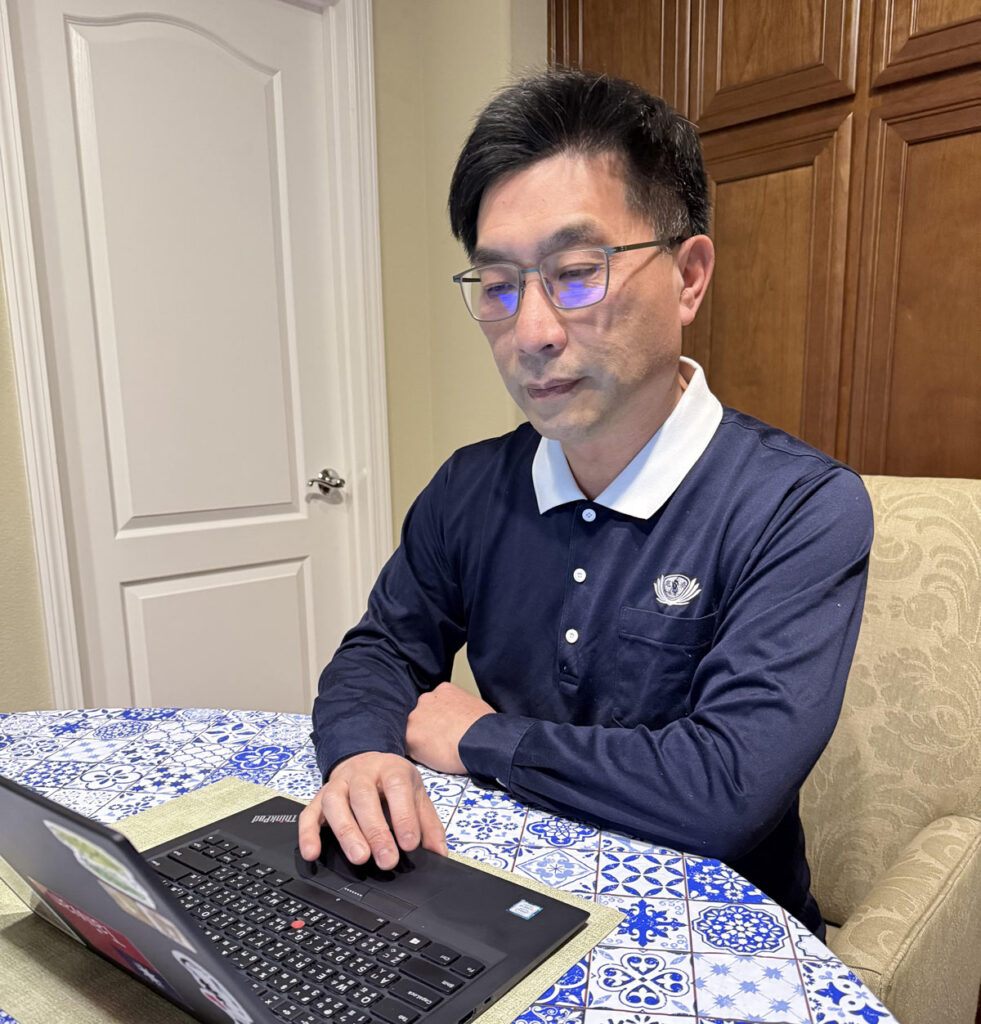
Volunteer Tony Yang carefully verifies addresses and damage levels, logging in as soon as he has time to check on the data collection progress. Photo/Courtesy of Tony Yang

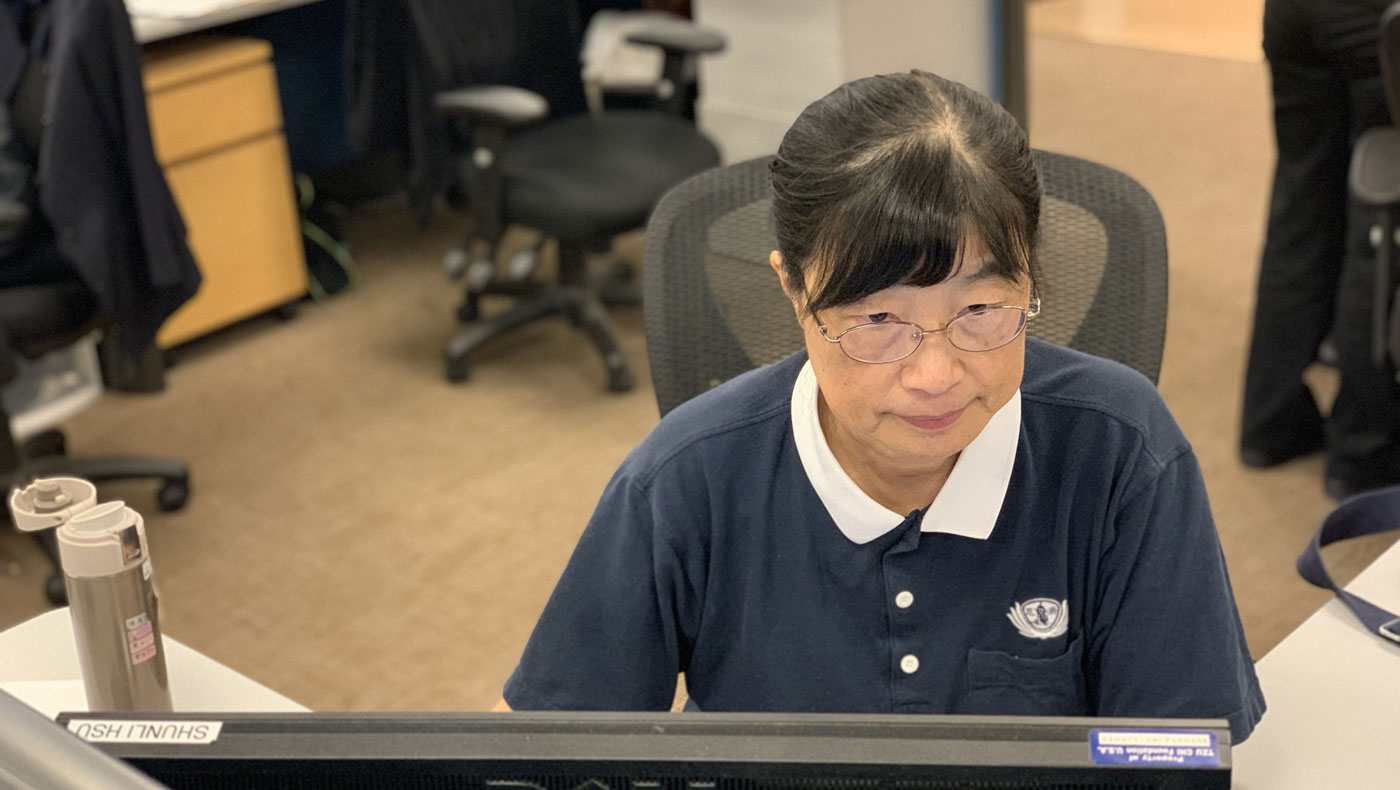
After processing and verification, the administrative team, including volunteers Selena Lo and Mei Chen, coordinates and notifies disaster survivors. “We have over a dozen data verification volunteers who constantly check for and eliminate duplicate applications, help schedule appointments, and prepare paper application forms for disaster survivors to sign when collecting cash cards,” shared Mei Chen. 

Some more complicated cases are also forwarded to the volunteers responsible for calling wildfire survivors, who further confirm the necessary details. “If a disaster survivor meets our criteria for assistance, when preparing for distribution, we extract the list of verified applicants from the master spreadsheet based on the venue and the number of households we can serve in one day, and then send them a text message asking them to come at a specified time to collect their aid. If there are any uncertainties, the telephone team verifies and clarifies, and then the administrative team compiles the information and hands the list over to the volunteers at the distribution site,” said Arthur Chih.

As of February 21, 2025, the Northwest Region’s team has verified 5,029 online applications from disaster survivors, which included 3,161 instances of homes that were completely destroyed.

Reducing Volunteer Burden

Though the verification team operated smoothly, it still required significant human resources, with volunteers manually verifying applicant information until late into the night. This became especially challenging when multiple distributions were held on the same day, promptly requiring extra care and attention.

“From January 27 to February 1, the Northern California team was under a lot of pressure during the distribution at the 2025 Wildfires Resource Hub. The host organization used another disaster registration system, VisionLink. However, some applicants had also registered in Tzu Chi’s system. We decided to have about ten volunteers work together, manually inputting hundreds of applications from VisionLink into Tzu Chi’s system to cross-check — often not finishing until 10 PM each day,” said Mei Chen.

Volunteers’ hard work did not go unnoticed, however. Po-Chen Yang, a Tzu Chi volunteer from Seattle and a former senior engineer at Amazon, saw the challenges and immediately joined the verification team’s efforts. After understanding the process, he began writing programs to help lighten the volunteers’ workload. 

After the Southern California wildfires erupted in 2025, Po-Chen Yang (left) not only rushed out onto the streets of Seattle with other Tzu Chi volunteers to fundraise for disaster survivors, but also developed programs to help lighten the workload of verification team volunteers. Photo/Courtesy of Po-Chen Yang

“One of Amazon’s requirements for senior engineers was to respect existing processes — so before writing any programs, I first had to understand the volunteers’ current workflow and then consider which parts could be automated to assist them,” said Yang modestly. “I basically treat the volunteers as my clients, striving to understand their needs.”

For example, explained Yang, some addresses may include a house with an attached garage and a separate storage room — meaning one address might encompass three different structures with varying degrees of damage. Using only the government’s damage map, a volunteer might see only the damage level of one building. “But the program I developed can display the damage levels of all three buildings individually,” he said. 

At present, his experimental program has achieved initial success, and some of the verification processes can now be automated. “For instance, among the applications, if some information is provided with high confidence, the program can flag it so that volunteers don’t have to cross-check manually, or they can quickly verify the program’s judgment. Additionally, the program can highlight applications with insufficient information or requiring special attention, allowing volunteers to focus their checks accordingly. Finally, the program can help determine whether an address is within the fire zone without having to refer to other mapping websites, which saves the team some work,” explained Yang.

Yang’s goal in writing these programs is not to fully automate the verification team’s work but to provide volunteers with new tools that may help relief reach the hands of affected households more seamlessly. “When I first encountered these issues, I realized that the veteran volunteers already understood many of the problems I was facing. So I simply demonstrated what I could do and how to use it and left the final decisions up to them,” Yang said with a smile.

In previous emergency relief efforts, no matter how dedicated volunteers across Tzu Chi’s regional offices were, they could not be everywhere at all times. In today’s interconnected world — with the internet linking every corner — emergency relief is no longer a challenge that a single city or Tzu Chi branch must face alone. The Damage Verification Team, established by Tzu Chi volunteers in Northern California, has proven through its actions that even when separated by hundreds of miles, Tzu Chi volunteers across the United States are joined as one family wherever their love and care are needed.

Latest Issues

#79 | Winter 2025
#78 | Fall 2025
#77 | Summer 2025
X
微信裡點"發現"
掃QRCode便可分享此頁
複製網址
前往微信
按"複製網址"後複製連結後,再按"前往微信"即可前往微信App分享此頁