An Aspiration Fulfilled: Tzu Chi’s Aid in Nepal
Written by Ida Eva Zielinska
Published #77 | Summer 2025 Issue
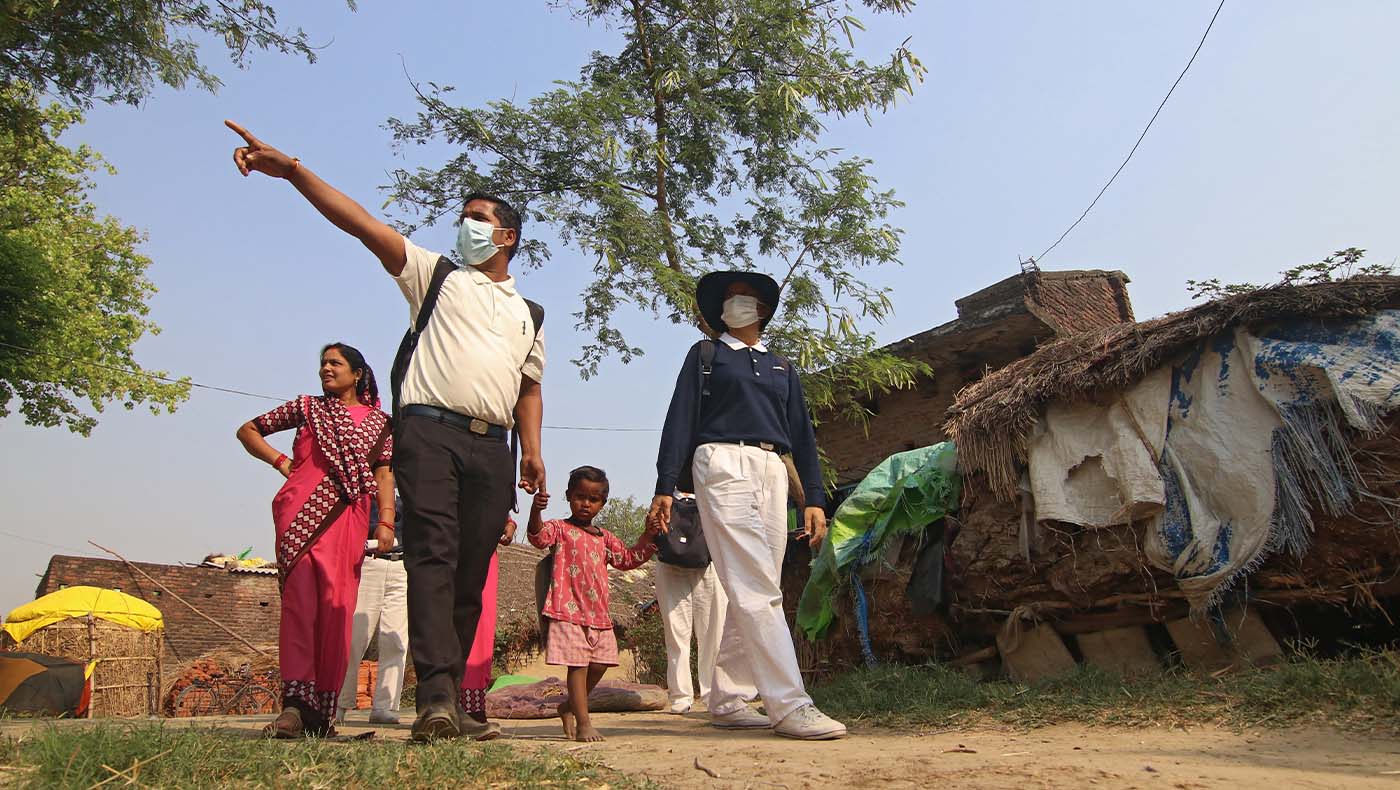
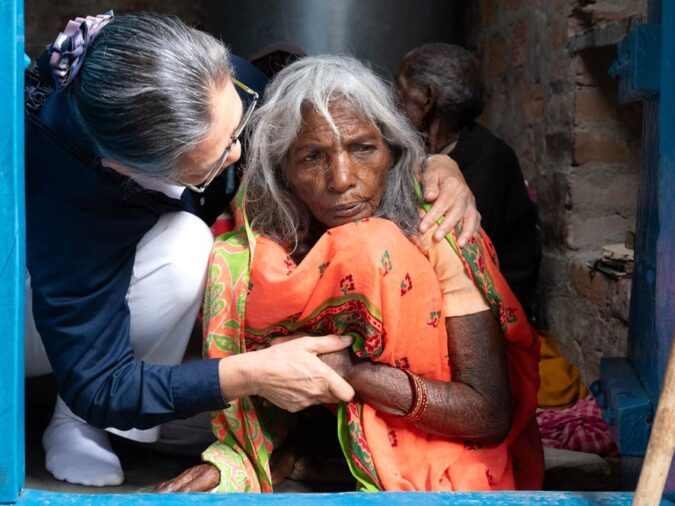
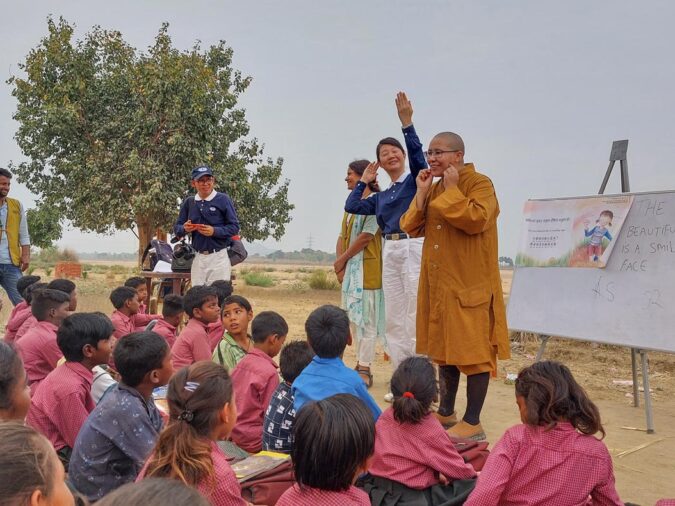
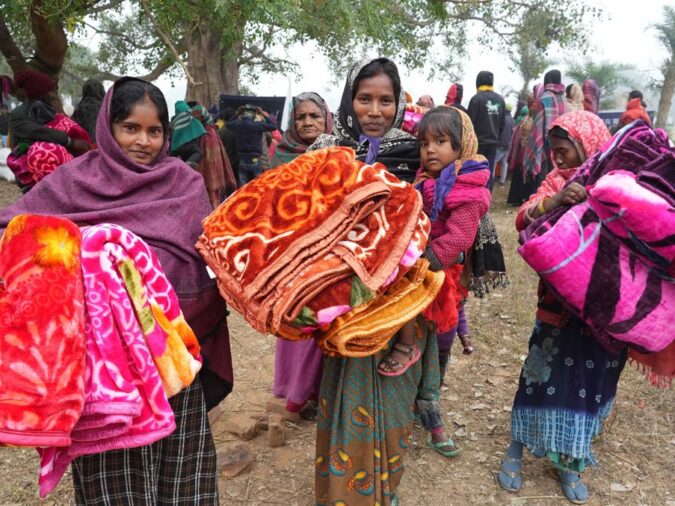
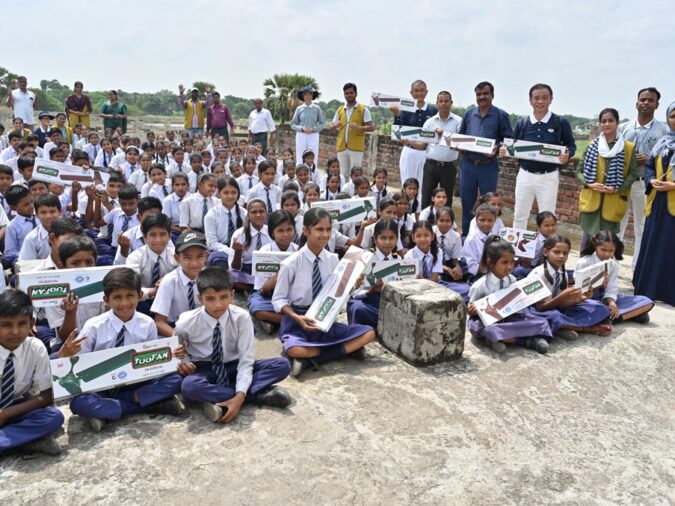
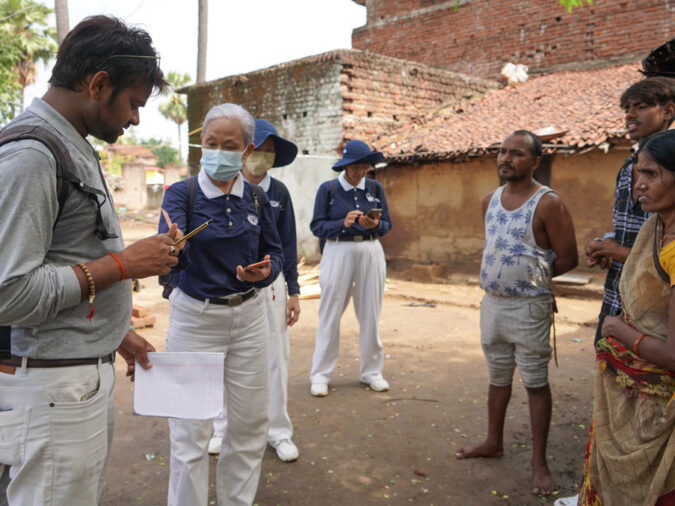
Tzu Chi volunteers accompany educators in Lumbini Province, Nepal, to visit villages and promote student enrollment, recognizing education as vital to the nation’s development and aligned with Master Cheng Yen’s belief that it is “Project Hope.” Photo/Wenhui Yang
SHARE
It has been my long-held aspiration to give back to the birthplace of the Buddha. The pervasive poverty in the region calls for compassionate people to plant seeds of goodness and bring about change.
Dharma Master Cheng Yen
Founder
Buddhist Tzu Chi Foundation
Nepal, the birthplace of Siddhartha Gautama, who would become known as the Buddha after attaining enlightenment more than 2,500 years ago, is a sacred land for Buddhists worldwide, yet needs abound in this landlocked Himalayan nation. Thus, for Dharma Master Cheng Yen, founder of the Buddhist Tzu Chi Foundation, the aspiration to bring aid here reflects both spiritual reverence and a deep concern for the people’s welfare.
According to the United Nations Office of the High Representative for the Least Developed Countries, Landlocked Developing Countries and Small Island Developing States (UN-OHRLLS), Nepal is one of 11 nations in Asia and the Pacific currently classified as a Least Developed Country (LDC), a designation it has held since 1971, when the category was first established. LDCs are UN Member States characterized by low income levels, limited human assets (measured through education and health), and high economic and environmental vulnerability to shocks like commodity swings or disasters.
The UN Department of Economic and Social Affairs notes that Nepal is scheduled to “graduate” from the LDC category on November 24, 2026, reflecting measurable progress. Nonetheless, significant challenges remain. Nepal is one of the countries most vulnerable to climate change, despite contributing minimally to global emissions. Its fragile mountain terrain, dependence on agriculture – a climate-sensitive livelihood – and limited resilience infrastructure make it especially prone to floods, landslides, and glacial melt. As climate impacts intensify, they threaten Nepal’s economic growth, food security, and the well-being of its most marginalized communities.
Even before the escalating risks of global warming, Nepal experienced annual natural disasters, with monsoon-season floods and landslides causing the greatest damage. Earthquakes are also a constant threat due to the country’s location along the Himalayan tectonic boundary, a collision zone between the Indian and Eurasian Plates. This seismic activity presents serious hazards: In the past ten years alone, 1,149 earthquakes of magnitude four or higher have struck Nepal or nearby areas, averaging nine per month.