A Journey Rooted in Hope:
Reflections From CSW69
Written by: Tzu Chi Global Partnership and Youth Development Department
Edited by Adriana DiBenedetto and Ariel Tsai
Published #77 | Summer 2025 Issue
SHARE:
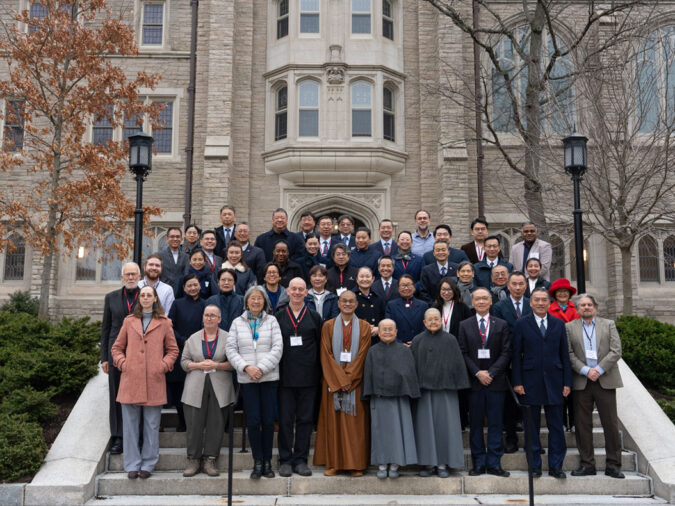
In March 2025, nineteen volunteers from across the globe gathered in New York City to serve as representatives of the Buddhist Tzu Chi Foundation to attend the United Nations’ 69th Commission on the Status of Women (CSW). An annual conference dedicated to the empowerment of women and girls, CSW marks a moment for the international community to gather together as policymakers, civil society, and governments, to reflect on the challenges facing women and girls around the world, and share best practices on how to create a more equitable and inclusive global society.
Since its accreditation as an NGO in Special Consultative Status with the United Nations Economic and Social Council (ECOSOC) in 2010, Tzu Chi has actively engaged with CSW — bringing volunteers from communities near and far to share Tzu Chi’s various projects rooted in Dharma Master Cheng Yen’s wisdom and guidance with the international community.
This year marks the 15th anniversary of Tzu Chi’s engagement with CSW. The delegation focused on highlighting crucial insights from Tzu Chi’s projects in collaboration with communities in Nepal and India to lift wellness and opportunity in the Buddha’s homeland. They asked the questions: What values and practices have been key to aiding our transformation of culture and societal expectations? How have we utilized community-led development principles to transform the lives of women and girls? How can these practices be replicated in other contexts?
Tzu Chi’s delegation to CSW comprised of Tzu Chi Charity Foundation representatives, Tzu Chi Malaysia representatives who serve as project leads for Tzu Chi’s Nepal and India development, youth representatives from across Tzu Chi USA, local volunteers from Tzu Chi New York, and staff members from Tzu Chi’s Global Partnership and Youth Development Department (GPYD).
The following recap showcases the reflections and insights of Tzu Chi’s delegation to CSW69 throughout the conference, advocating on behalf of Tzu Chi’s community, and hosting 18 events over three weeks.
Arrival in New York: Stepping Onto the Global Stage
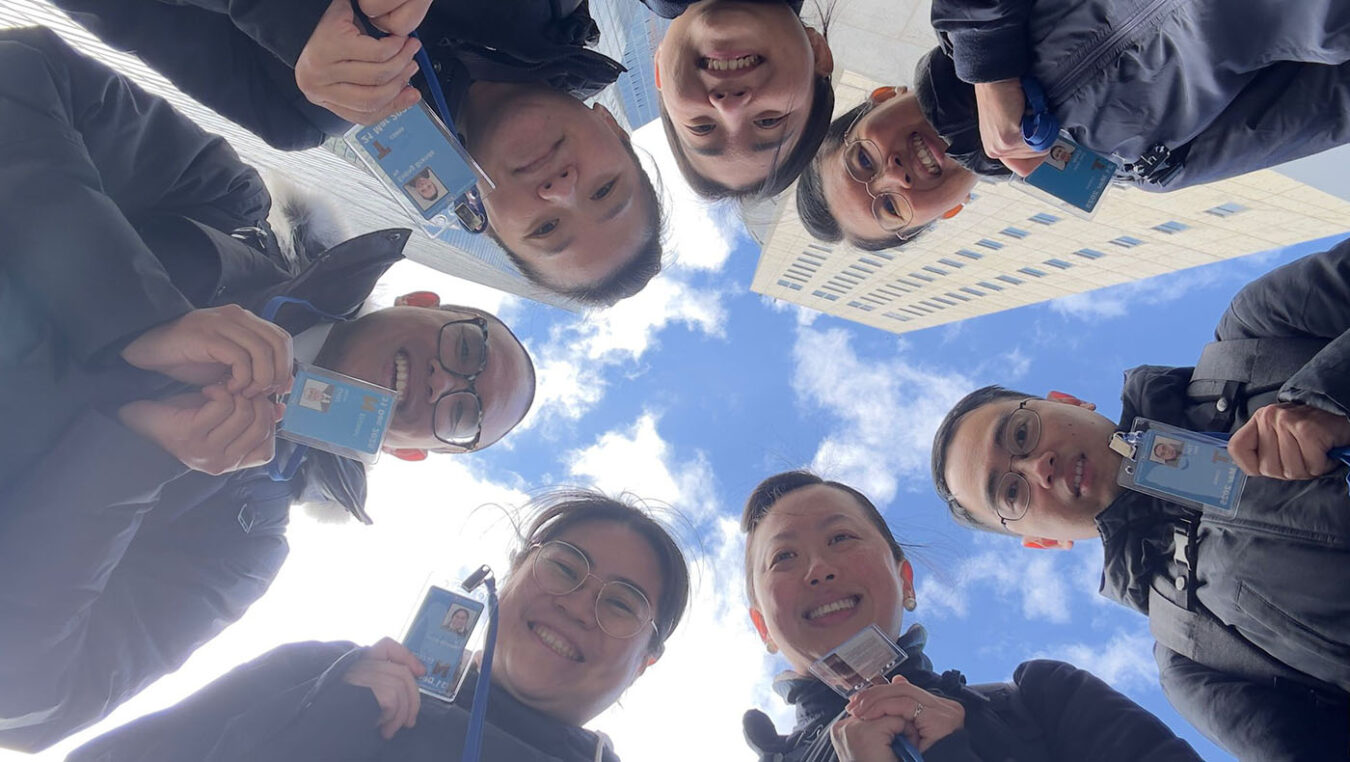
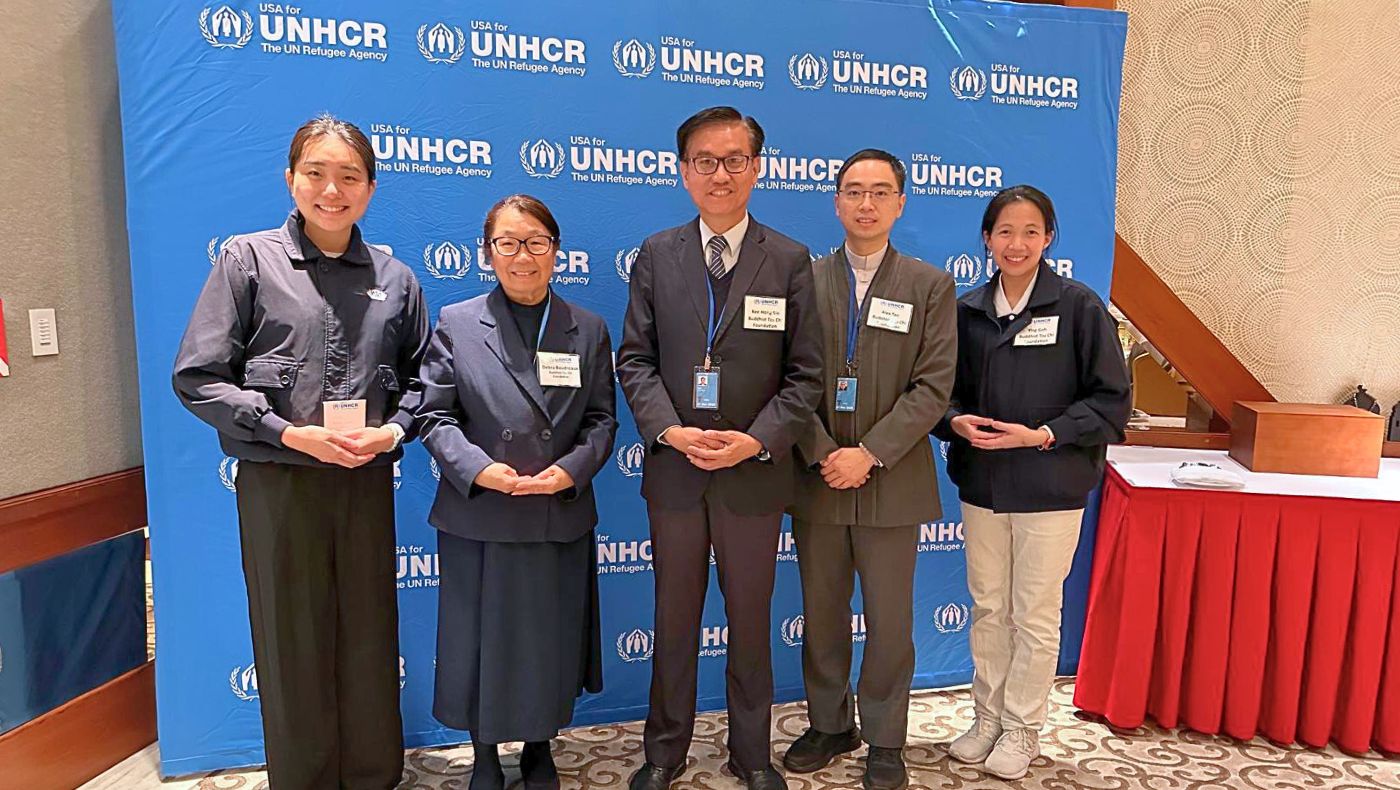
With hopes and aspirations packed into their luggage, Tzu Chi’s representatives arrived in New York, ready to step onto the global stage and begin their advocacy at CSW69. The day before the conference kicked off, they gathered to pick up their identification badges for the coming events. Holding the sky-blue badges with their names and photos was a proud moment for the team. It was an official symbol of Tzu Chi’s — an organization they all care deeply about — participation at the United Nations. As Eunice Tham, one of the youth representatives, reflected, “It gave me a deeper appreciation of what it means to be part of this compassionate mission.”
The Tzu Chi representatives arrive in New York and happily display their event badges. Photo/Steve Chiu
Participation in Events: Learning, Connecting, Inspiring
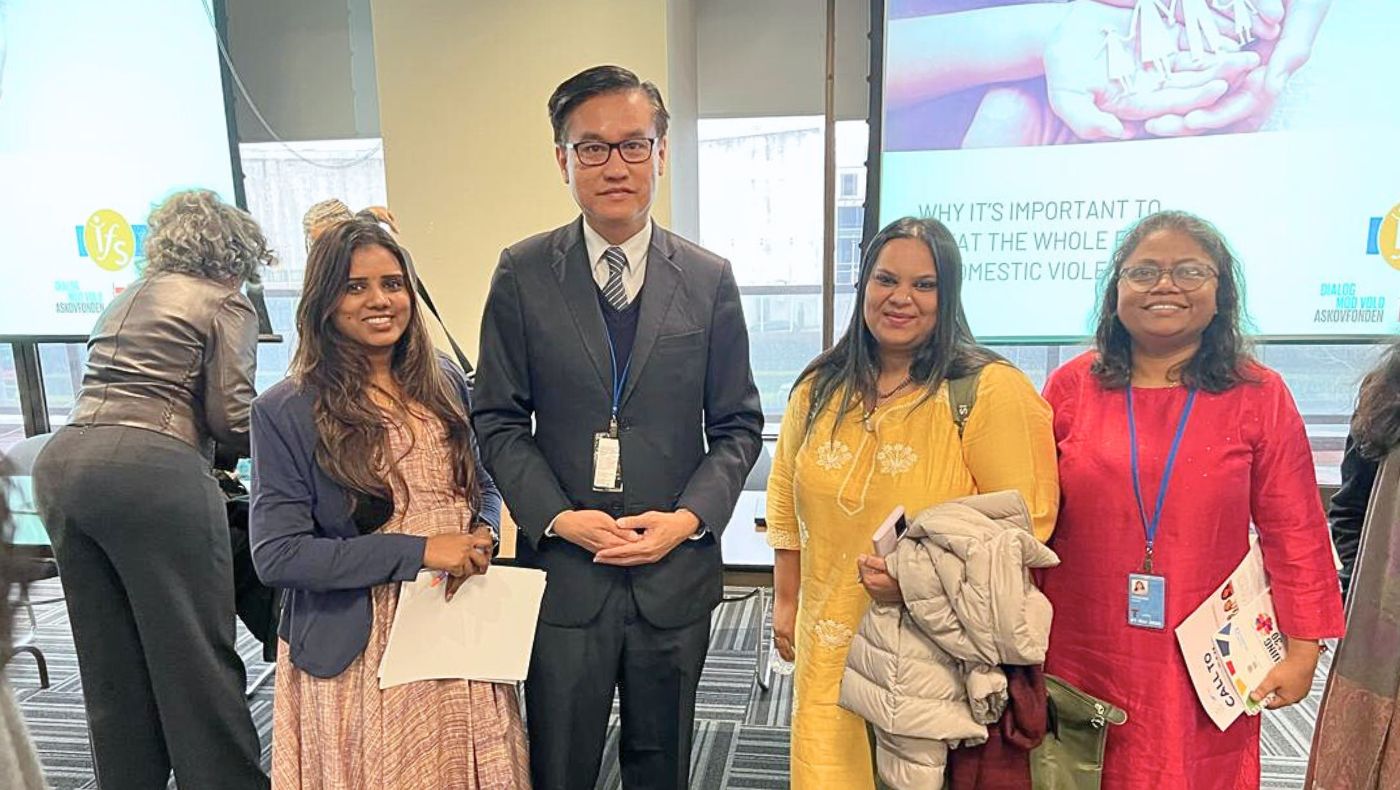
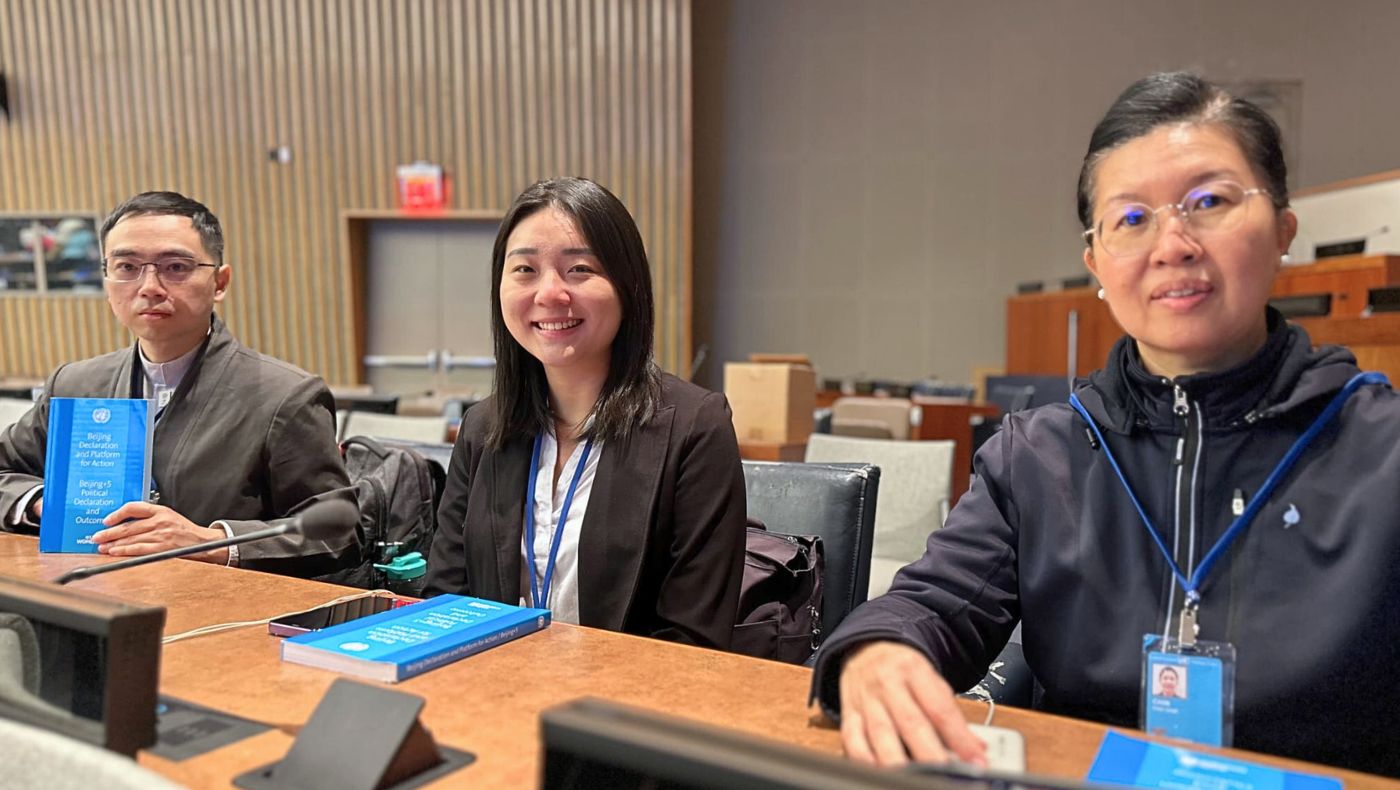
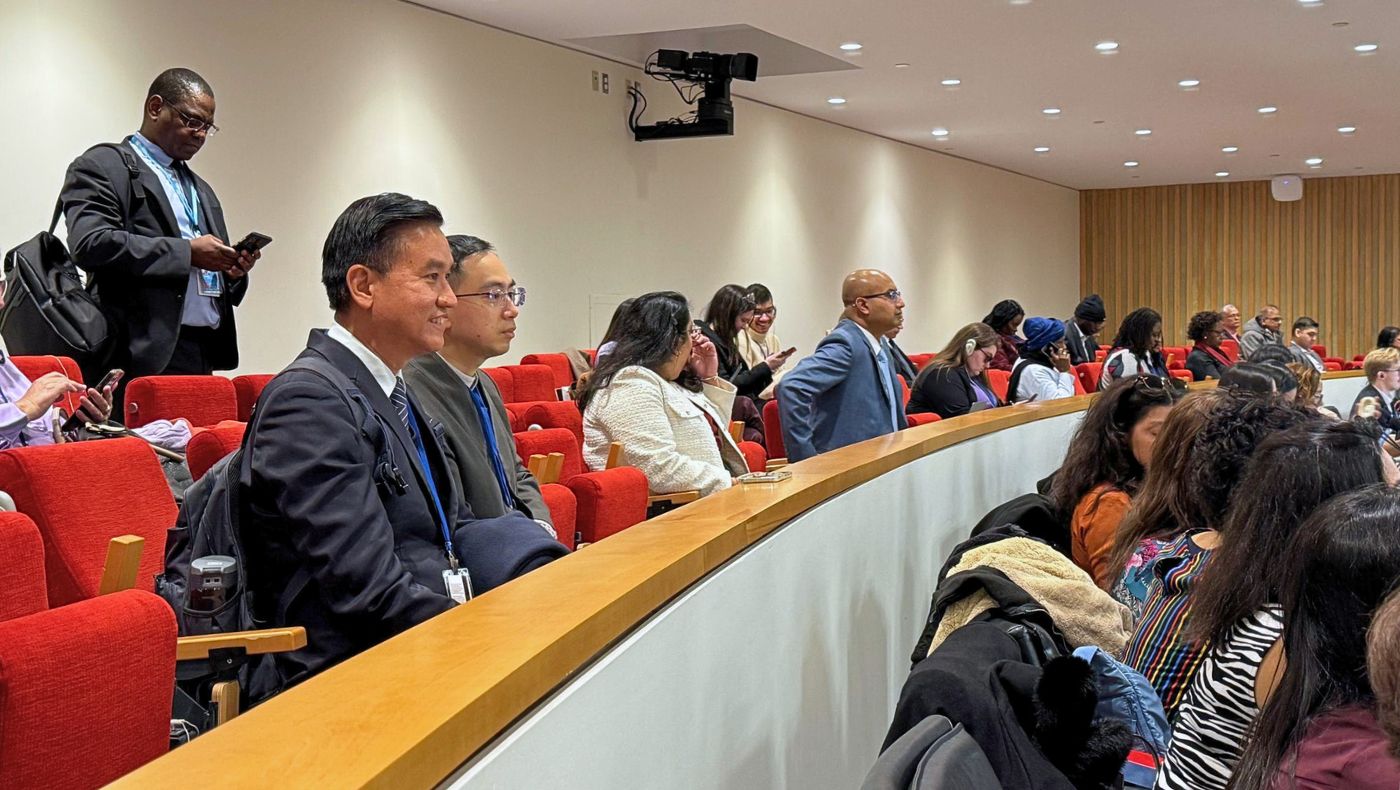
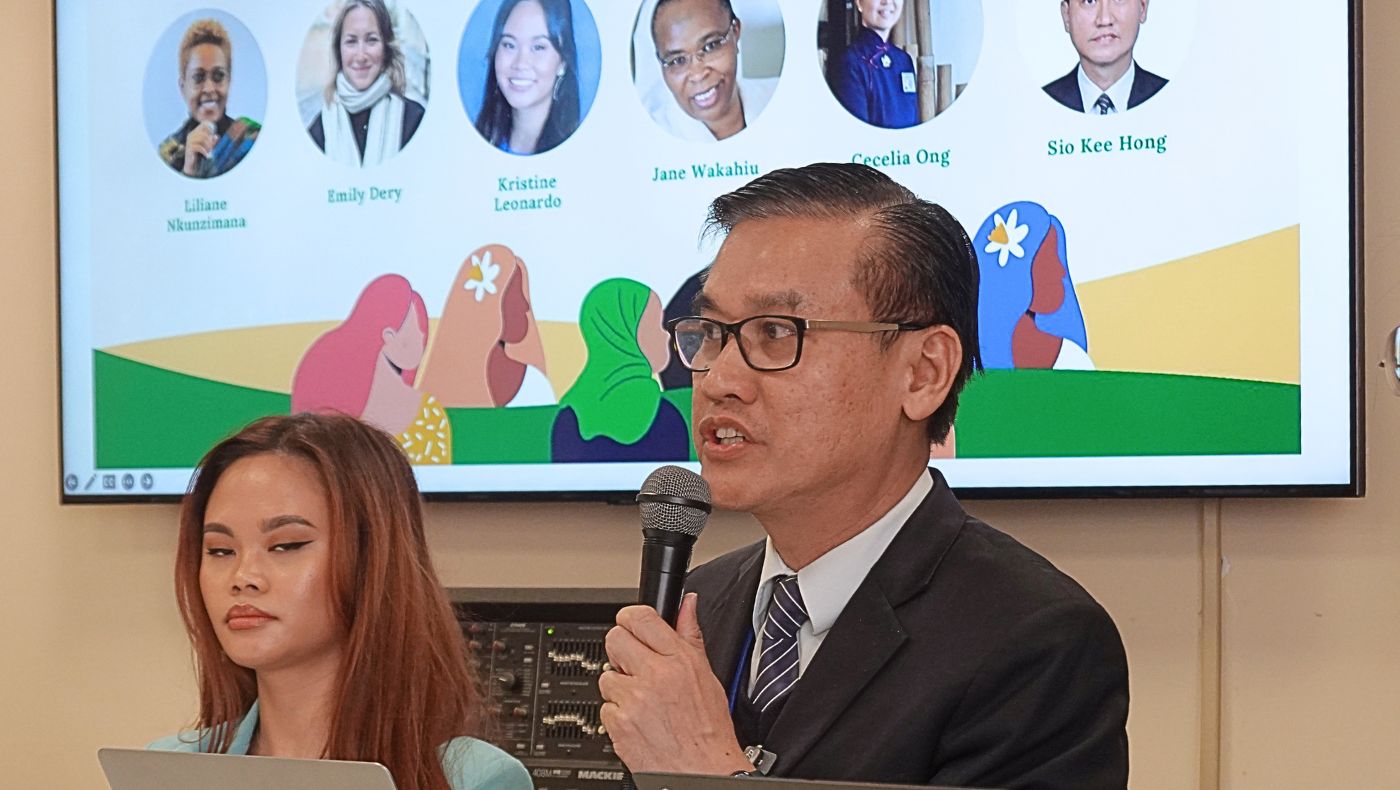
With the spirit of compassion and gratitude rooted in the hearts of Tzu Chi’s CSW69 delegates, they set off the next day for two weeks of powerful experiences, attending a wide range of side events and parallel sessions that deepened their understanding of the diverse paths and practices toward the achievement of gender equality. “Taking notes, learning something new, and observing other organizations advocate for women and girls’ rights was incredibly eye-opening,” noted Kee Hong Sio, Deputy CEO of Tzu Chi Malaysia (Kuala Lumpur and Selangor). “It’s heartening to see NGOs all over the world come together in solidarity to connect on social, political, and economic issues, and to improve the well-being of women and girls worldwide.” While everyone explored sessions aligned with both their personal and Tzu Chi’s interests, Sio was especially drawn to events hosted by Indian organizations, while Cecelia Ong gravitated towards sessions on education and vocational training, both hoping to bring what they experienced back to the communities they work with in India and Nepal, respectively.


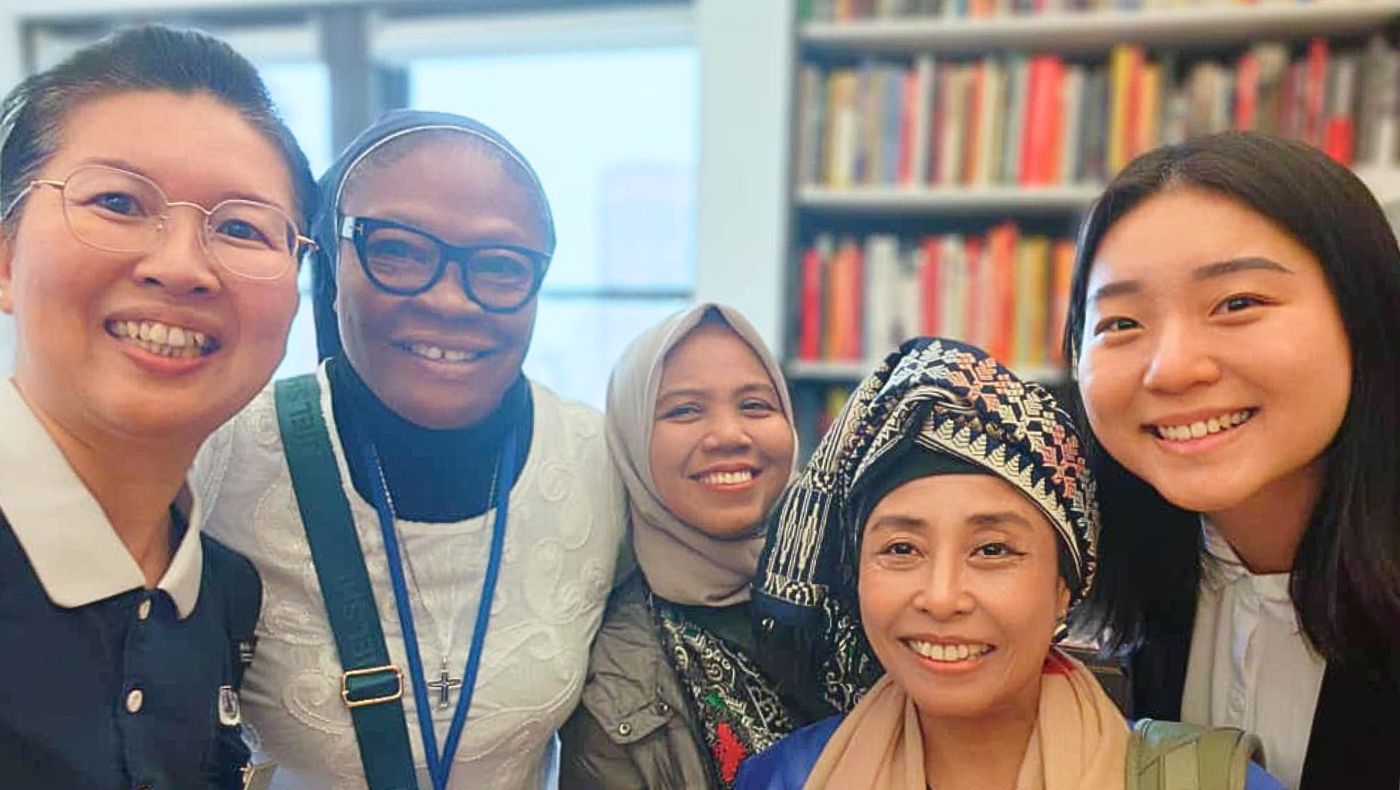
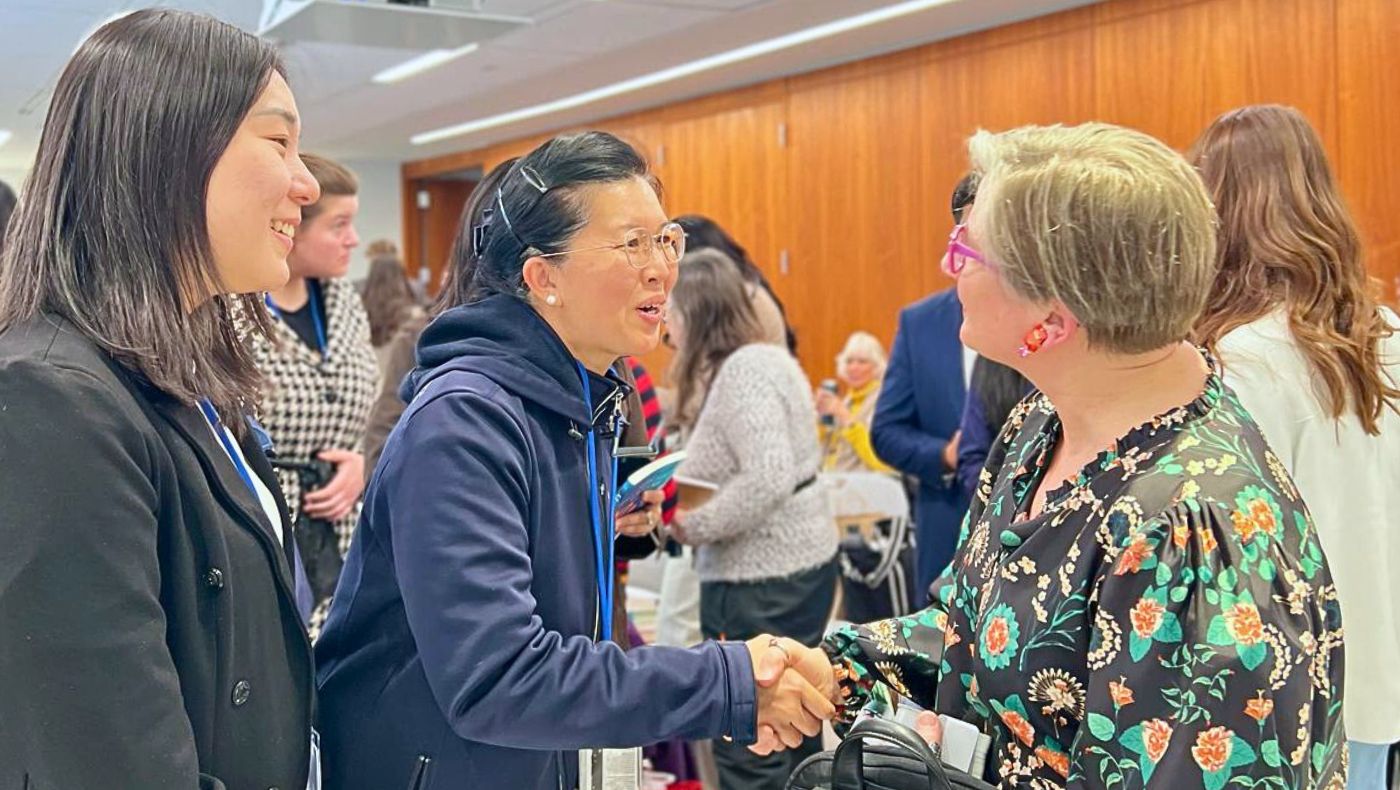
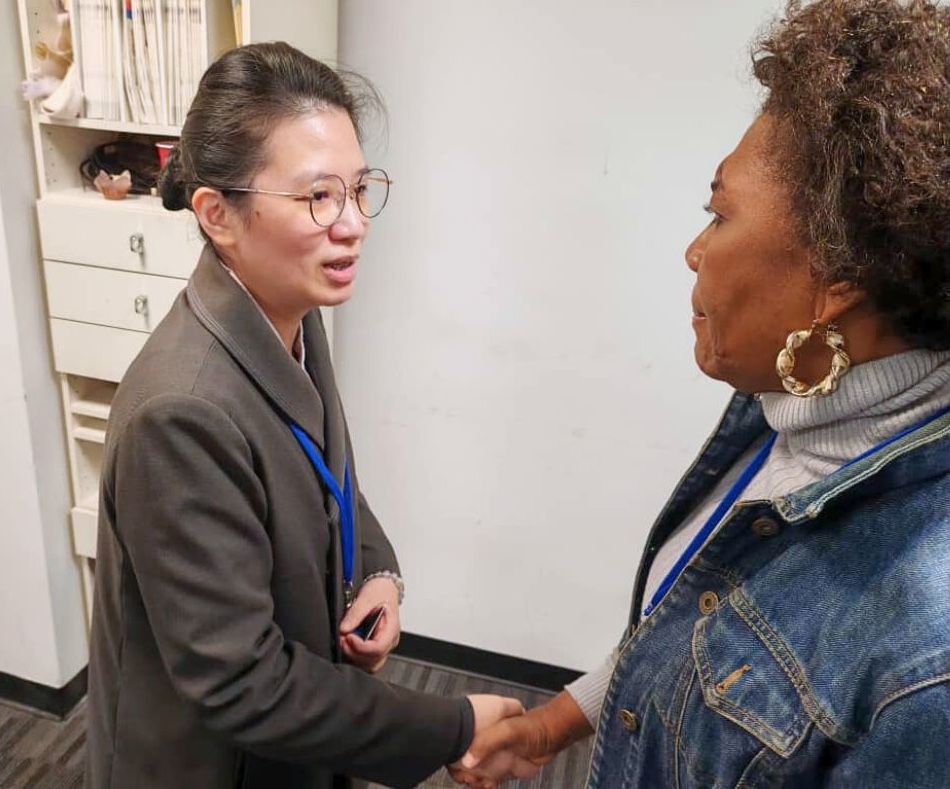
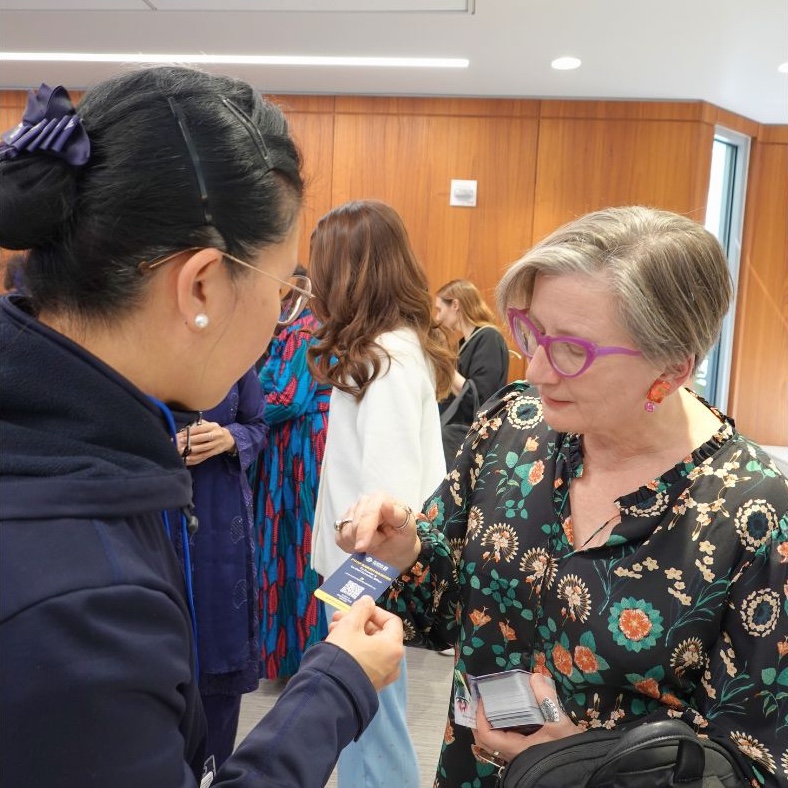
In addition to deepening their understanding through multi-faith and multi-cultural lenses, one of the delegation’s most rewarding outcomes was the human connections created at CSW. There’s something magical about striking up a meaningful conversation and finding common ground with someone new. Best of all, if this leads to exchanging business cards, a small yet massive gesture, it’s a reminder that transformation is built on relationships, and every new connection is a seed for future collaboration.
“This year marked my third time attending CSW, and I’ve found that with each familiar face that I recognize and with each exchanged number that’s already saved in my phone, the beauty of the United Nations really shines through when you move connections forward,” said a Tzu Chi youth representative named Nina Wu. These conversations aren’t meant to just happen; they’re meant to open our eyes to the next steps we can take in our uncertain futures.”
Youth Storytelling: Raising Voices, Finding Courage
This year’s CSW created a space for Tzu Chi youth volunteers to shine and explore their potential via storytelling. Storytelling is a powerful tool that cultivates empathy and builds understanding. By listening to others, insight into different cultures, beliefs, ideas, and emotions will be gained. While facts and figures are important for building understanding, it’s often the personal stories that touch hearts and stay with people long after the event ends. As Alex Tan, Tzu Chi University’s representative, reflected, “I realized that sharing real stories that are happening among their peers, the difficulties and challenges young adults are encountering in India and Nepal, in a positive context where help is available and changes are made, can inspire young adults to open their heart and mind, to think of solutions to help their peers, to continue to contribute and serve those in need.”
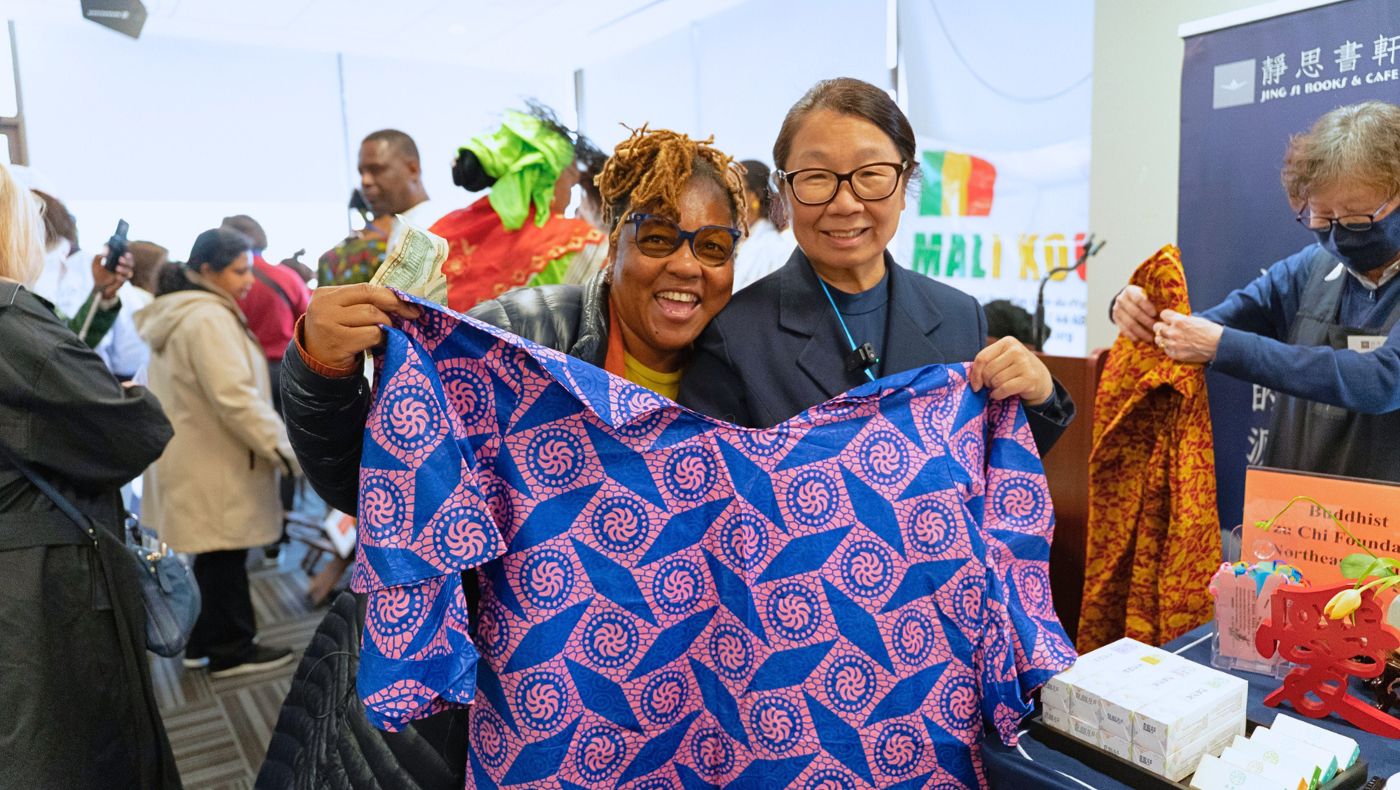
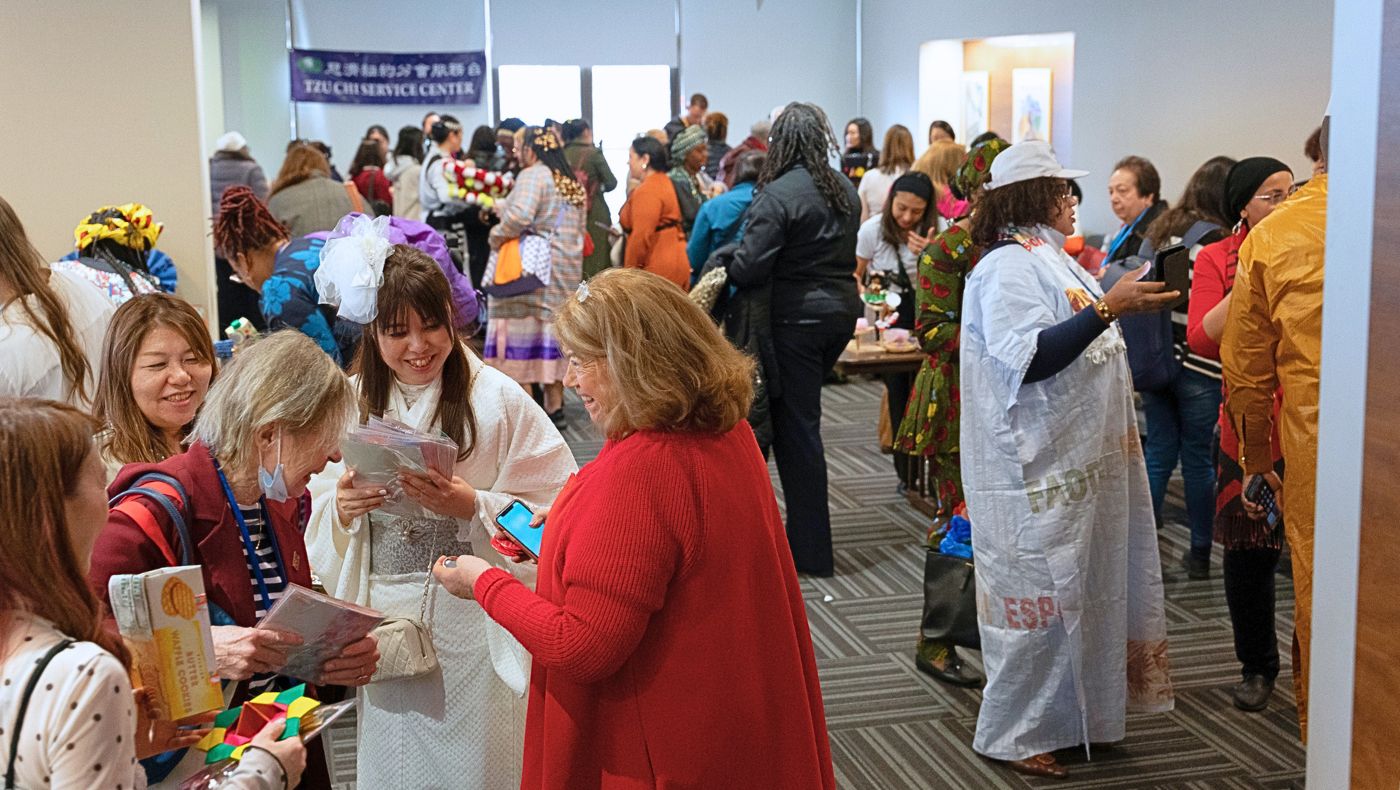
What’s more, the Artisan Fair also provided a powerful space for connections and progress. Here, artisanal handmade goods from Tzu Chi communities around the world were displayed alongside other women-led groups and organizations. Kee Hong Sio and Cecelia Ong both brought handmade goods made by girls in their sewing classes in India and Nepal. As Ong shared the stories of each piece, tears welled up, and the hearts of visitors and friends alike were moved.
Throughout the fair, volunteers happily shared the stories behind each craft with attendees, alongside the stories of transformation, resilience, and empowerment. These items were more than just products. They symbolized how girls, once marginalized, are now creating work that is recognized and celebrated in the United Nations. As Eunice Tham reflected, “Many stopped by, not just to admire the crafts, but to hear the stories behind them. It reminded me of the power of storytelling and that behind every act of giving is a deeper connection. Feel for others as they tell their stories, and then put that compassion into action.”
Volunteer Engagement: Sharing About Projects in India and Nepal
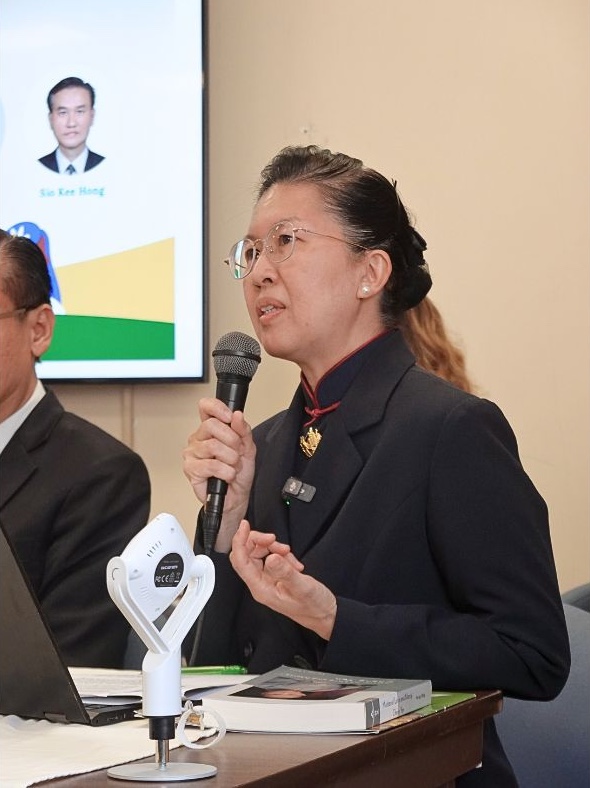
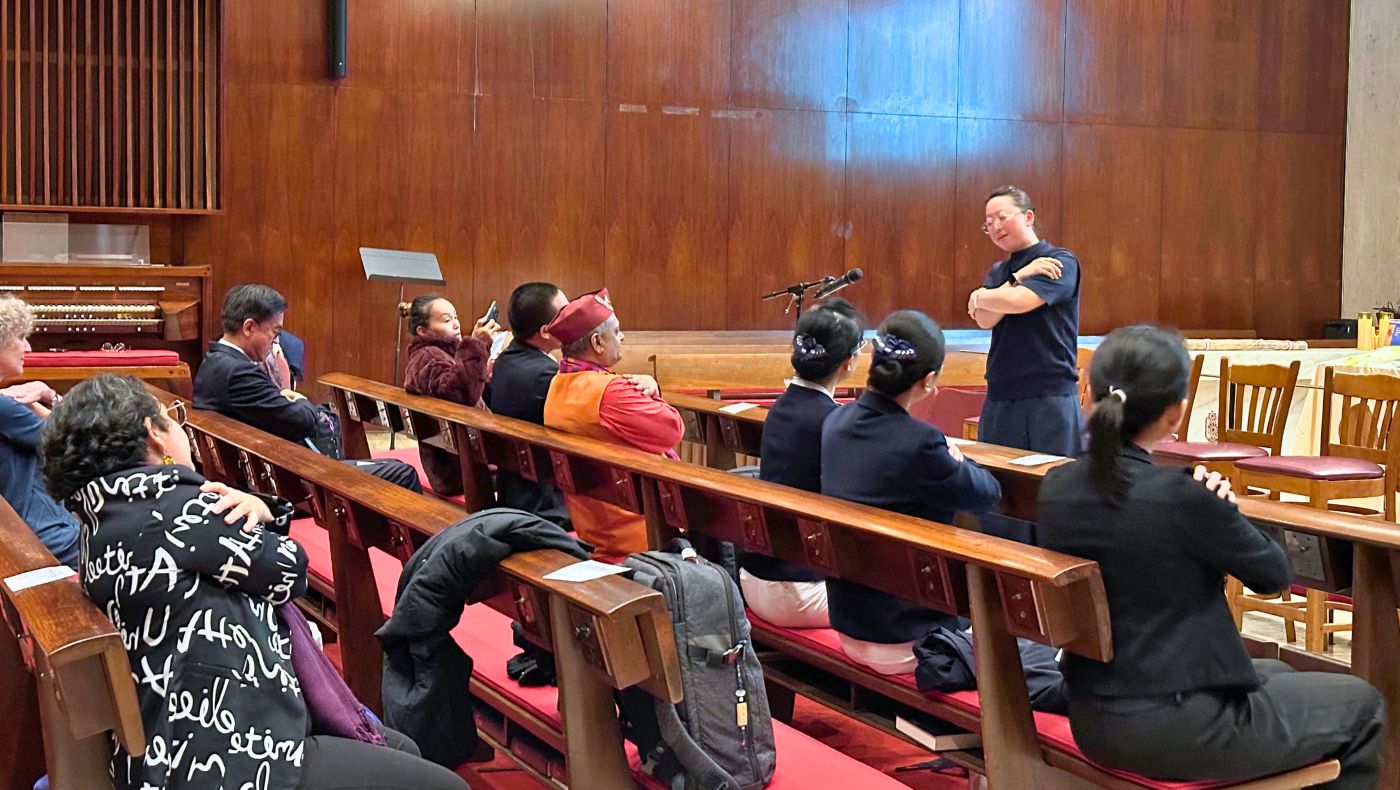
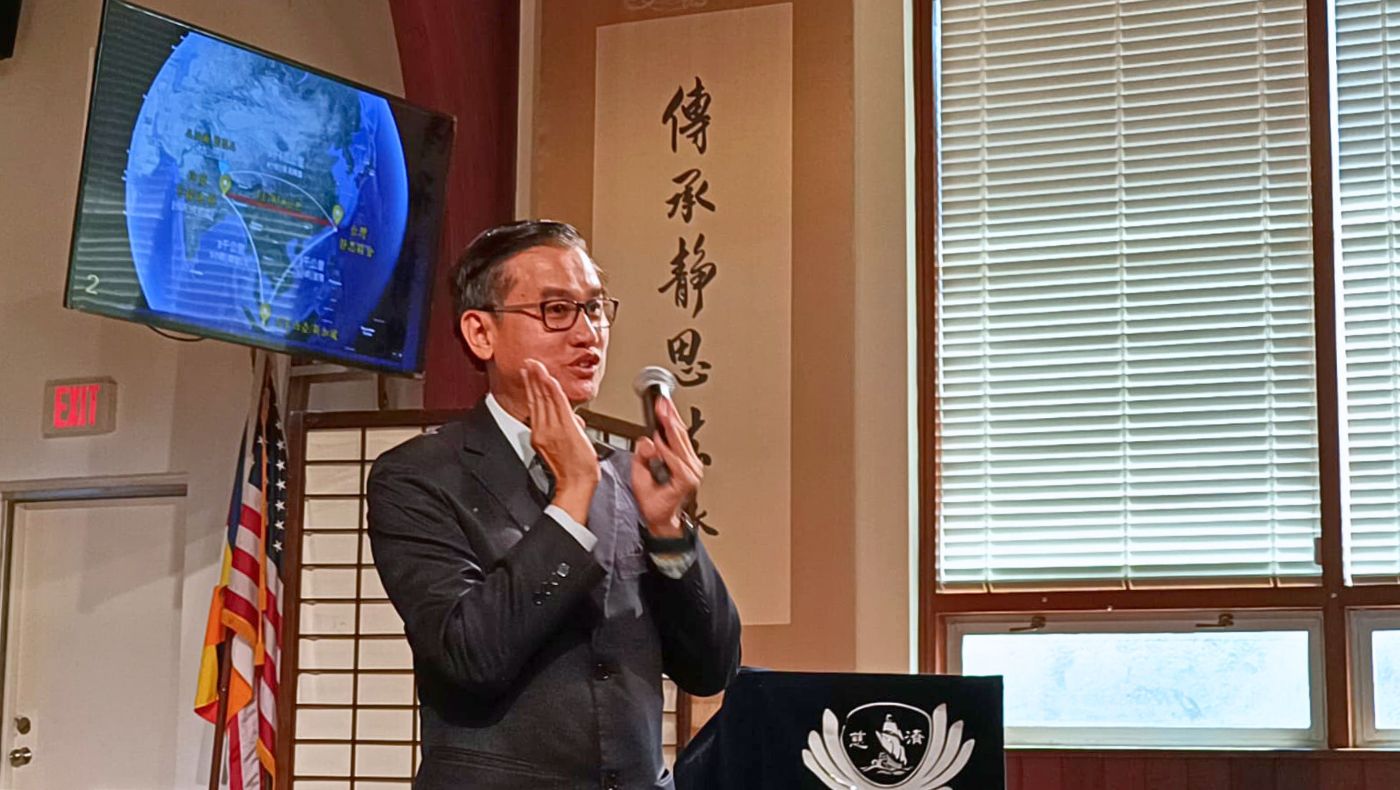
Alongside the Artisan Fair, Tzu Chi also hosted multiple side events in collaboration with UN Agencies and civil society partners, including one session at the United Nations’ Church Center focused on empowerment and vocational training, where Kee Hong Sio and Cecelia Ong detailed the grassroots work being carried out by Tzu Chi volunteers in Nepal and India with the wider international community. Their sharing showcased best practices for creating enabling environments to support women in overcoming systemic barriers, accessing labor markets, and creating pathways to a sustainable future. These sharings were examples of how Tzu Chi responded to the calls for action in the Beijing Declaration and Platform for Action, particularly in critical areas such as poverty, the economy, violence against women, health, education, and training.
Ong’s message was clear: “Great love starts from small acts. Do not underestimate one’s potential to make a difference.” While the path to reevaluating mindsets and societal norms is arduous, all transformations start with opening the heart. Through Sio’s sharing, he brought everyone back to the spiritual root of this work, that of Master Cheng Yen’s teachings, which reminded them: “Nothing is difficult when your heart perceives no difficulties.”
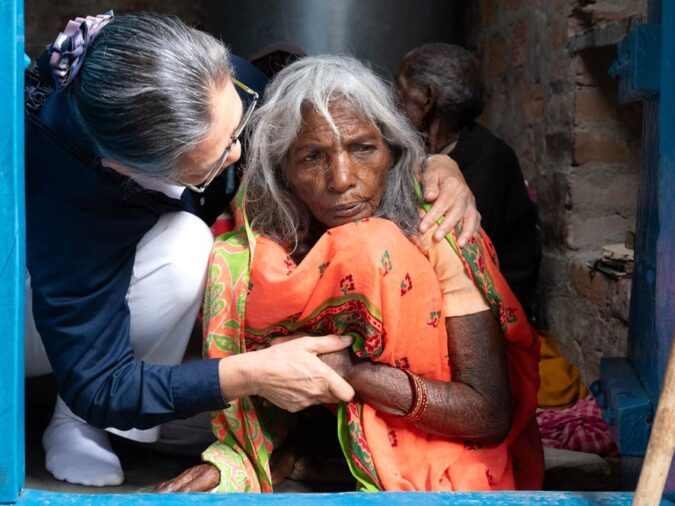
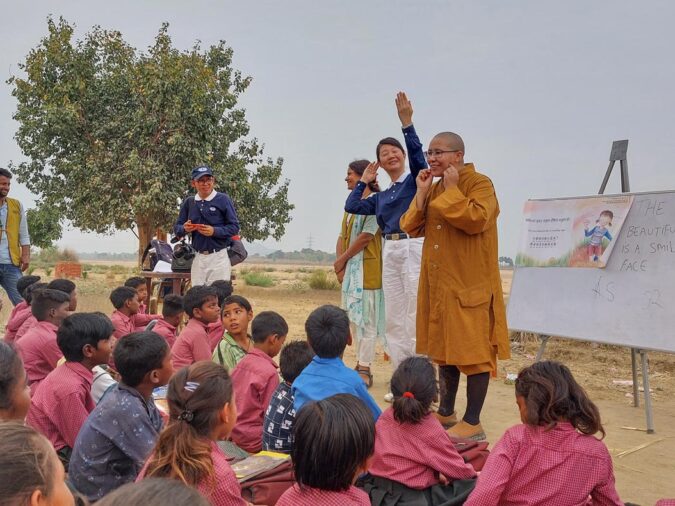
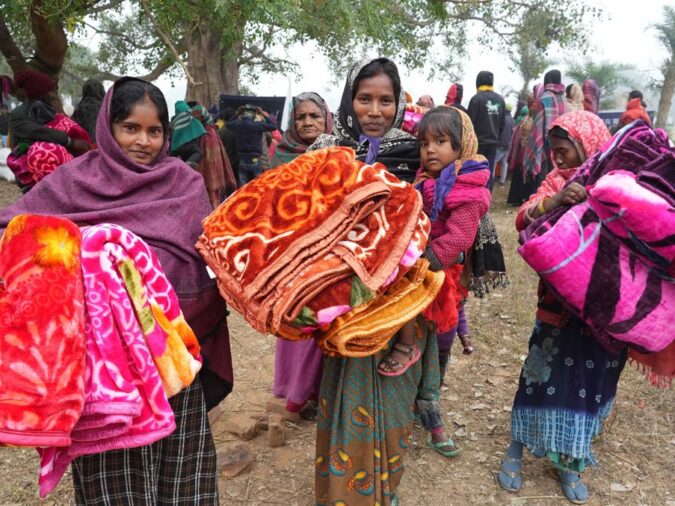
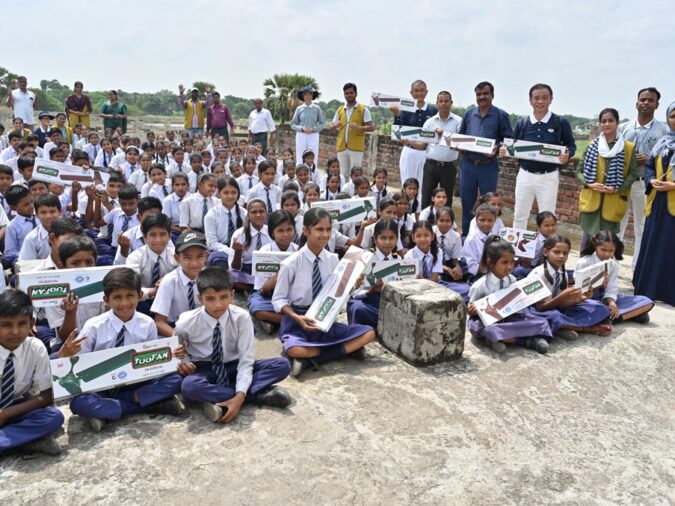
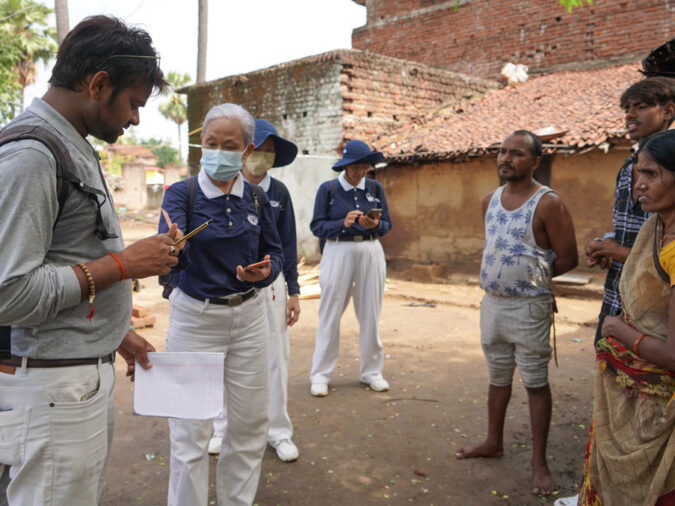
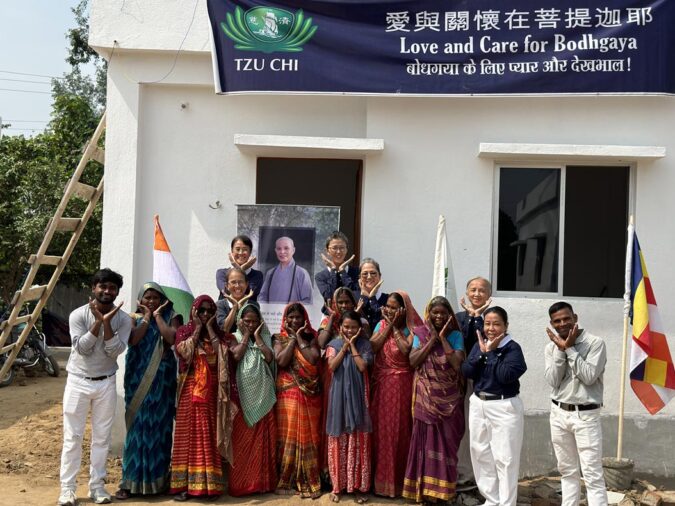
In Nepal and India, where many communities are trapped in cycles of poverty and underdevelopment, Tzu Chi volunteers have steadily carried out charity, medical, education, and humanistic culture missions. With scarce medical and economic resources, many people have been living in deep poverty. With volunteers’ dedication to paving a path of love, they have been able to build villages, offer medical services, address social issues like alcoholism, support school-aged children in returning to education, and provide vocational training. While implementing projects, volunteers also introduce Jing Si Aphorisms, in the hopes of creating a harmonious community where every person is a compassionate being, and bringing the teachings of Buddha back to His homeland. These efforts illustrate that breaking cultural norms and making meaningful changes do not happen overnight; they are nurtured through long-term commitment, dedication, and trust built with communities. As Ong explains, “We are not going to turn our sewing class women into money-making machines, but we want them to turn back and look at their own community, and see how they can influence, encourage, and empower each other.” And, as Sio expressed, “Women can be in charge of their own life; once they do so, they begin to have more hope, self-confidence, and self-love, and these are qualities that begin to transform their lives.”

Power of Partnership: Walking Together Toward Impact
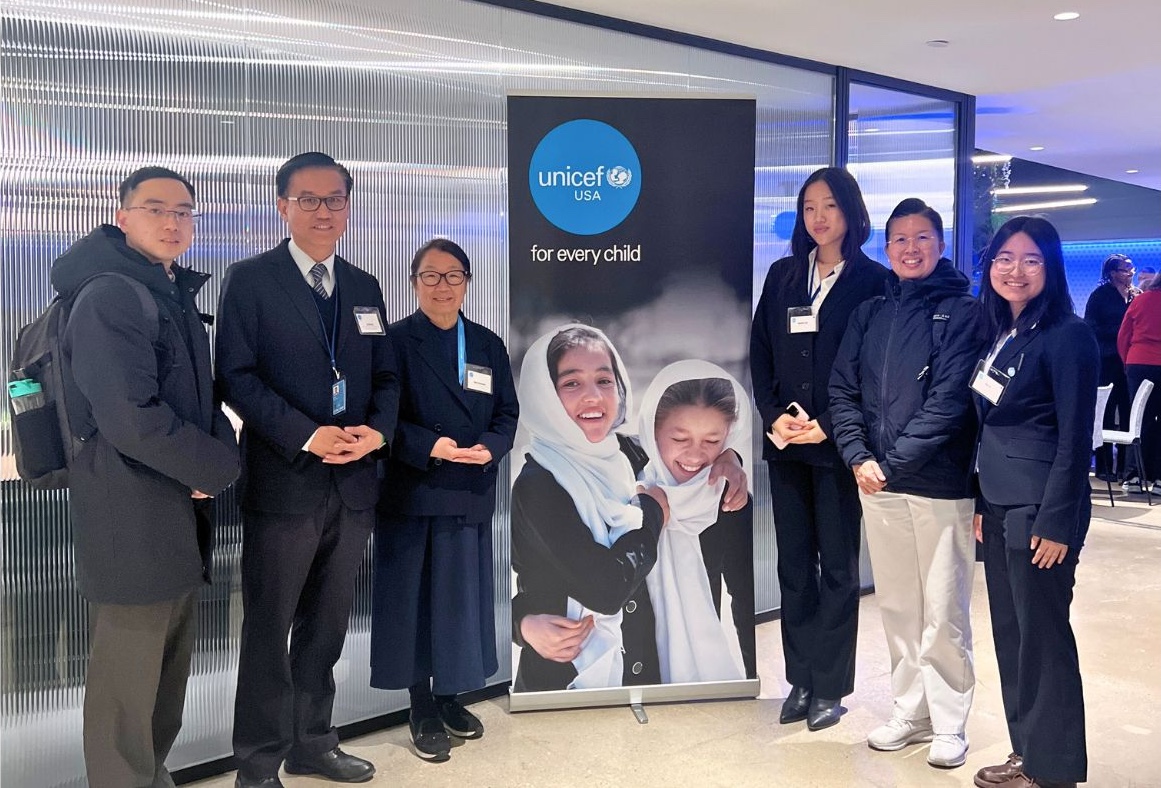
According to the 2024 Gender Gap Report, it is shown that globally, women will have to wait at least another 134 years to achieve equality with men. This sobering reality underscores a simple truth: The work of gender equality and empowerment of women and girls cannot be accomplished in isolation. It requires multi-religious, multi-stakeholder collaboration, bringing together religious and faith actors, youth actors, civil society, and governmental entities to build a more just and inclusive future. Throughout CSW69, Tzu Chi’s engagements — particularly through co-hosting events with organizations like the United Nations Children’s Fund (UNICEF), United Nations High Commissioner for Refugees (UNHCR), and grassroots NGOs — served as a reminder that partnership is not only strategic, it is deeply human. Together, the delegation stood in solidarity to support the goal of creating spaces where girls can live free from violence and help shape a more inclusive and peaceful world.
“We believe that by working together — all of us, not just Tzu Chi — we can create a more equitable world,” Branda Ng, Tzu Chi GPYD’s Manager, reflected. “It’s not always easy, but every small effort counts.”
When tackling gender issues, Alex Tan guided the volunteers to recall Master Cheng Yen’s teachings, “To share gender equality under the doctrine of equality for all sentient beings.” With this direction in the hearts and minds of the team, equality for all shaped every one of Tzu Chi’s sessions, focusing not only on women and girls, but also emphasizing the critical role that men play within their families and communities, and the importance of creating an enabling and supportive environment for all to thrive.
One person can walk fast, but a group of people can walk far.
Jing Si Aphorism by Dharma Master Cheng Yen
Ng closed one of her speaking engagements by saying, “As the woman moves, the world moves together.”
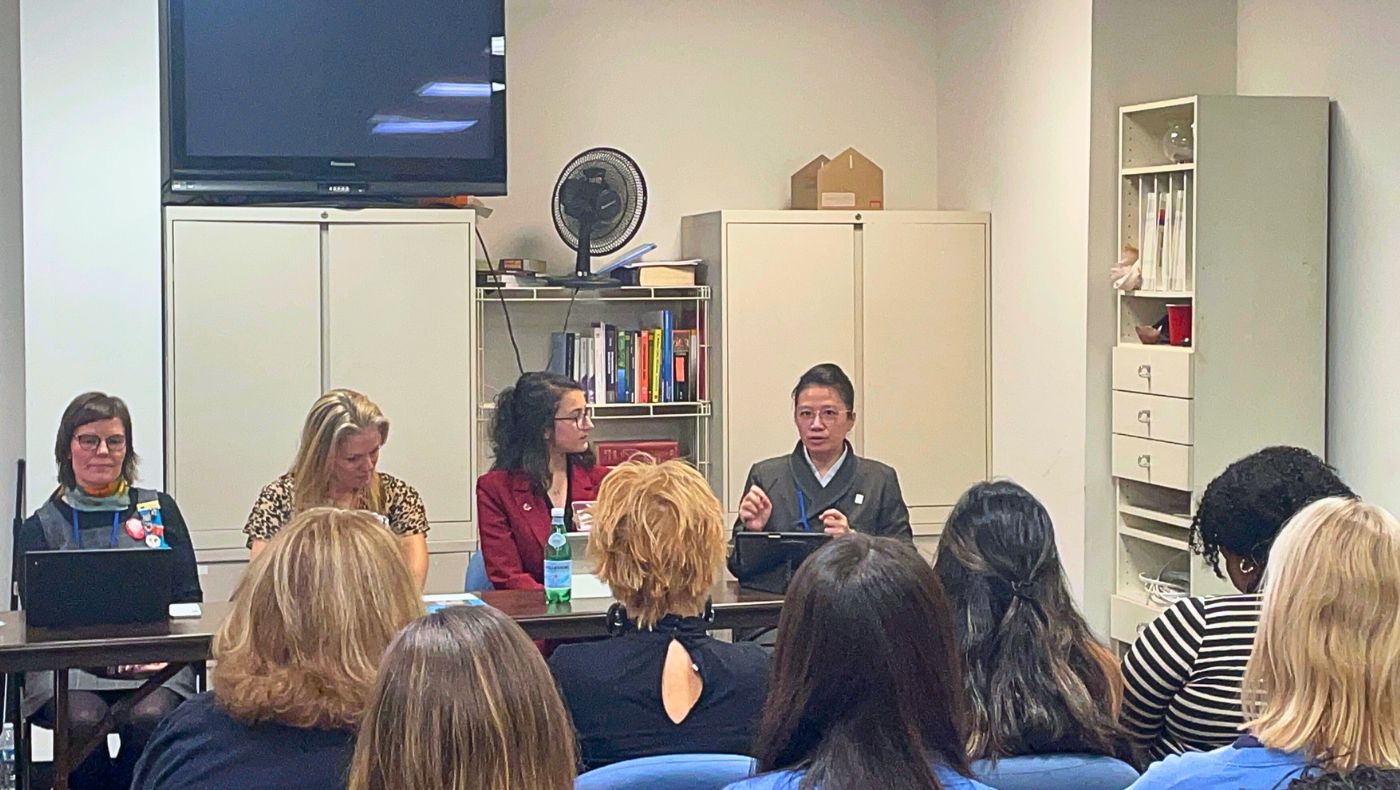
Tzu Chi also co-hosted a reception at the Tzu Chi Center for Compassionate Relief in New York with the Multi-Faith Advisory Council (MFAC) Gender Working Group. This gathering of multi-faith actors created a space for meaningful collaboration and dialogue in advancing gender equality and human rights. In a world where divisions can feel overwhelming, this gathering was a testament to the power of faith, compassion, and shared purpose in creating a more just and inclusive future, where no one is left behind.
Debra Boudreaux, Tzu Chi’s Chief International Affairs Officer, best captured this sentiment, saying, “We are very grateful that representatives from different faiths can sit together at the same table to discuss what will be the best practices for a human-centered mission. Everyone needs to stand up, to voice out, to share the success stories about our role and function around the community.”
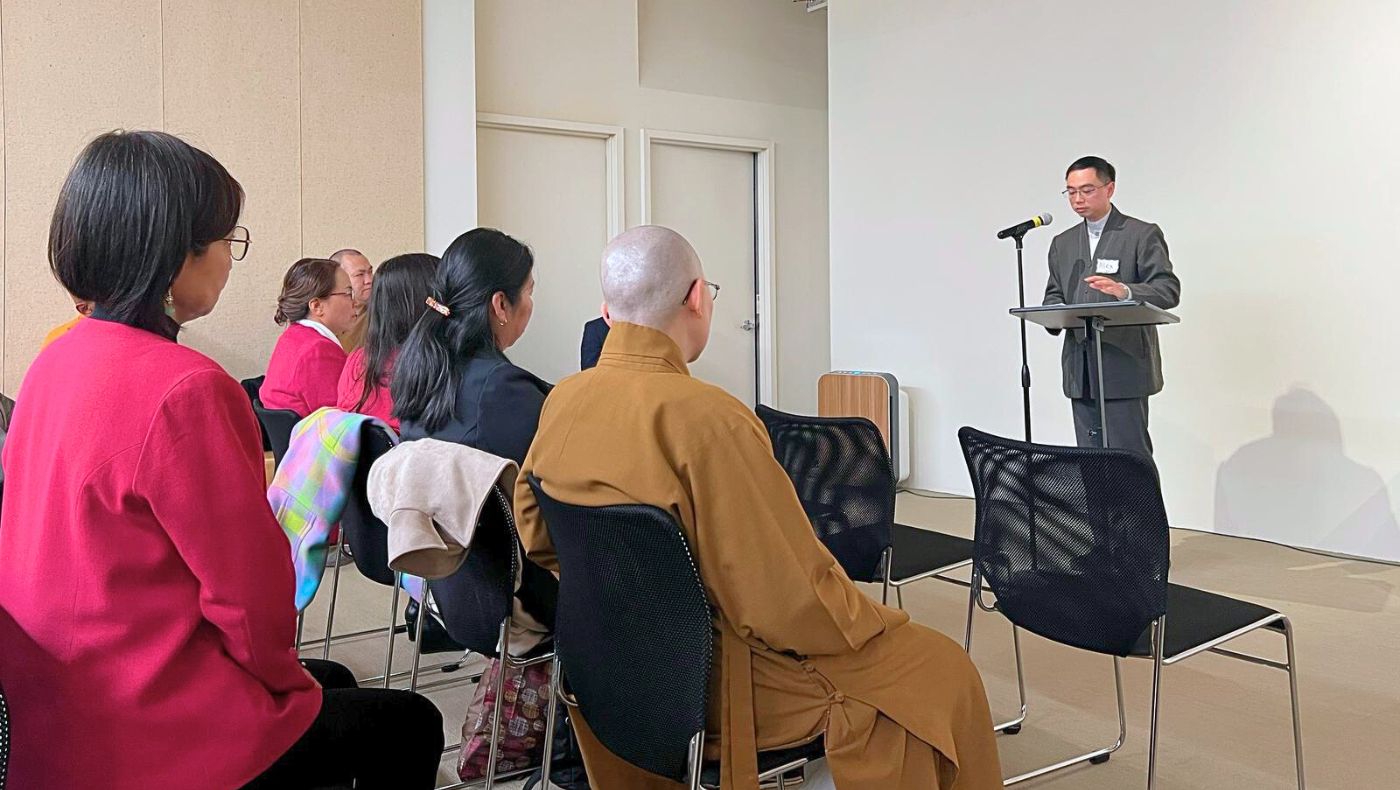
Apart from interfaith gatherings, Alex Tan was also invited to join an interfaith dialogue hosted by the New York Buddhist Council as a keynote speaker at the Annual Forum, where Buddhist practitioners from various traditions come together to explore how Buddhist teachings can help us navigate life’s transitions and the uncertainties of an ever-changing world. Tan reflected, “Filling our hearts with compassion and learning from Buddha is the common solution when facing an ever-changing world, whether in the areas of biomedical, AI, or sustainability. But more than that, we need more actions to be raised, more people to be involved; more cooperation needs to be undertaken to bring Buddha’s teachings to the general public.”
Grounded in Gratitude: Finding Our Strength
Amid the hustle and bustle of CSW69 and the many discussions taking place, Tzu Chi was given an hour of stillness at the Chapel of the Church Center for the United Nations to lead a mindfulness and grounding session. Guided by Diana Kwok, Deputy Director of the Tzu Chi Center for Compassionate Relief and Dharma as Water Department, everyone had a chance to pause and reflect through a sign language piece, the accompanying lyrics reading, “Fountains of thanks, streams of respect, open our arms, embrace the world with love.”
In performing this piece, everyone was invited to slow down, absorb its meaning, and engage in introspection. In that moment, hearts beat in harmony, radiating peace and compassion. It was a gentle reminder that even amid global challenges, the foundation of gratitude, respect, and love must be rooted in humanity. As Master Cheng Yen teaches, “When we see all people as equals, without prejudice or distinctions between religion, ethnicity, or nationality, we can truly embrace the world with love.”
Community Sharing: Bringing the Spirit Home
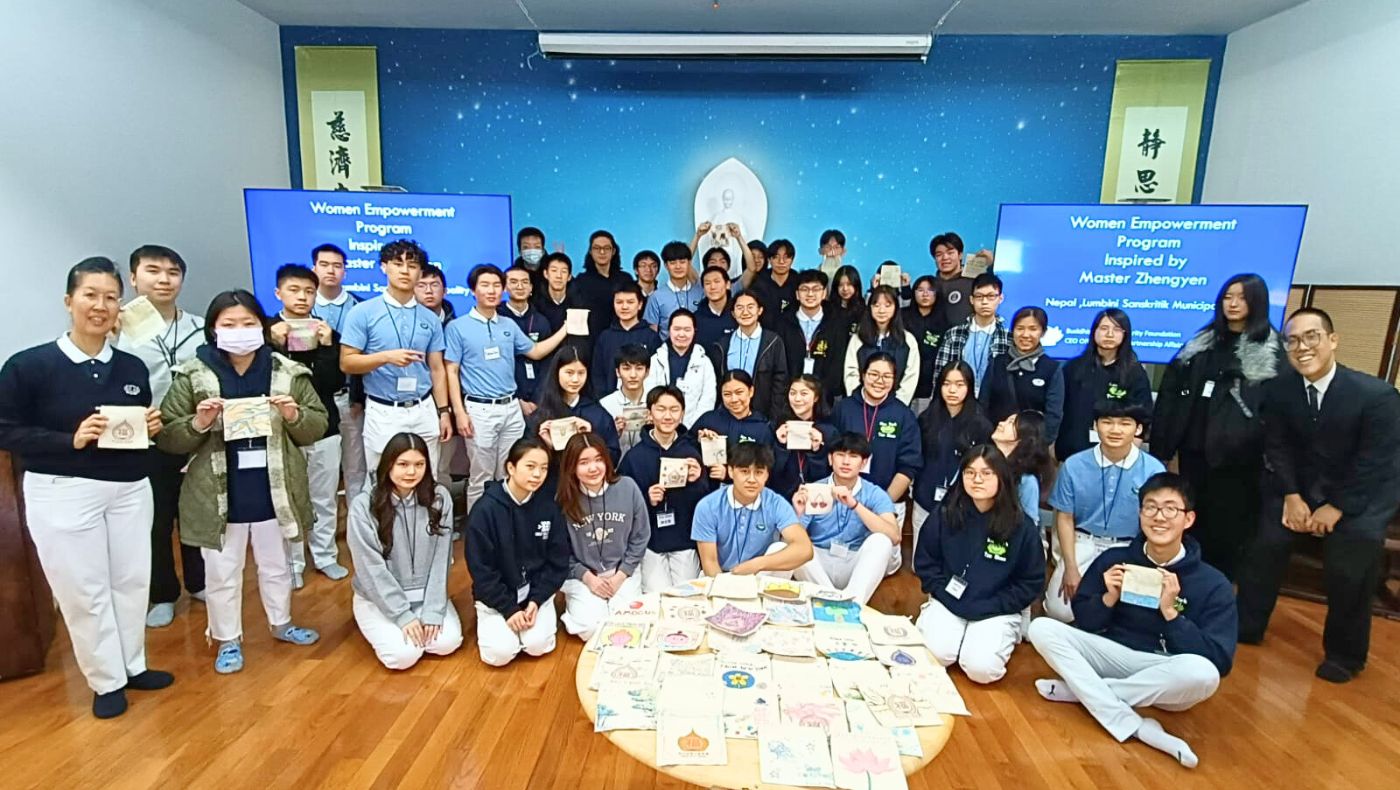
Tzu Chi’s CSW69 journey did not end at the United Nations headquarters in New York City. Hearts alight with inspiration, volunteers brought the spirit of CSW home to various Tzu Chi chapters, including to Flushing and Long Island in New York, and to Boston, Massachusetts. During these gatherings, Kee Hong Sio and Cecelia Ong shared about their work in India and Nepal, while other representatives reflected on what they had learned from CSW. These sessions became another opportunity to refine storytelling skills and inspire action beyond the UN stage. As Yoyo Wu, Tzu Chi New York’s youth representative, said, “Having the opportunity to share these insights at the Tzu Chi sharing session amplified the impact even further, allowing us to spread this powerful energy beyond the UN walls and inspire continued action in our communities.”
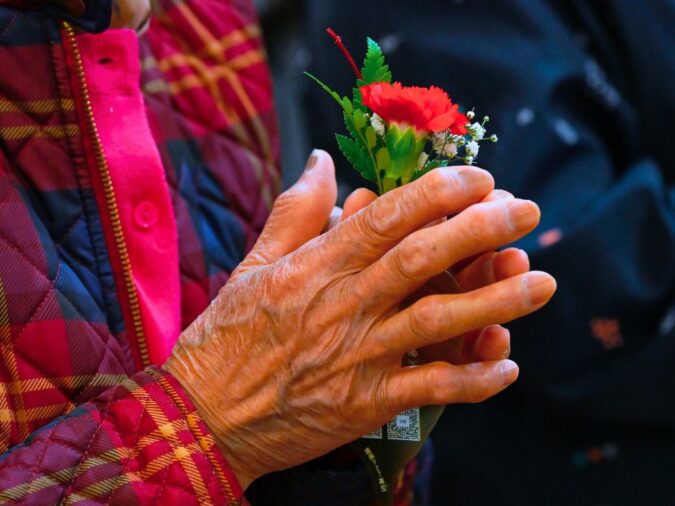
From the UN to Local Communities: Carrying the Spirit of Compassion and Love
As CSW69 concluded and volunteers returned to their respective communities, there was a shared understanding that the work and mission of Tzu Chi continues. “In Buddhism, we believe that to walk the Bodhisattva path, we must go into the crowd, meet all kinds of people, and form affinities along the way,” Eunice Tham reflected. “As I move forward, I hope to keep walking this path — serving, learning, and telling stories that can inspire hope and change.”
For Kee Hong Sio and Cecelia Ong, returning to India and Nepal after being in the United Nations space has deepened their perspectives and strengthened their resolve to create a better future for marginalized women and girls. As Ong shared, “This has been a deeply fulfilling learning experience, both spiritually and emotionally, and I’m more determined than ever to keep planting seeds of love and kindness.”
SHARE: